Sleep and Testosterone: Why Sleep Is the #1 Natural Testosterone Booster
Most of a man's daily testosterone is produced during sleep, which makes good sleep the single most powerful natural testosterone booster. In one study, healthy young men restricted to five hours a night for one week saw daytime testosterone fall 10–15%, a decline researchers compared to aging more than a decade.
Medical disclaimer: This article is for general educational purposes only and is not medical advice. It should not replace care from a qualified healthcare professional. If you have persistent symptoms of low testosterone—such as low libido, ongoing fatigue, erectile dysfunction, or mood changes—see a clinician for proper evaluation and testing before considering supplements or testosterone therapy.
Most men looking for higher testosterone start in the supplement aisle or a testosterone clinic. That's backwards. Your body produces most of its daily testosterone while you sleep, making sleep—not a pill—the single most powerful natural way to support healthy testosterone levels.
But before you buy anything, there's one question worth asking:
Are you giving your body enough opportunity to produce testosterone in the first place?
The cost of getting too little sleep is surprisingly steep. In one well-known study, healthy young men who slept only five hours a night for one week experienced a 10–15% drop in daytime testosterone, a decline researchers compared to the effects of aging more than a decade.
No over-the-counter testosterone booster has evidence that compelling.
If you're trying to improve your energy, support muscle growth, maintain libido, or simply feel more like yourself, protecting your sleep should come before shopping for pills. Here's why.
Your Testosterone Is Made While You Sleep
Testosterone doesn't stay at the same level all day.
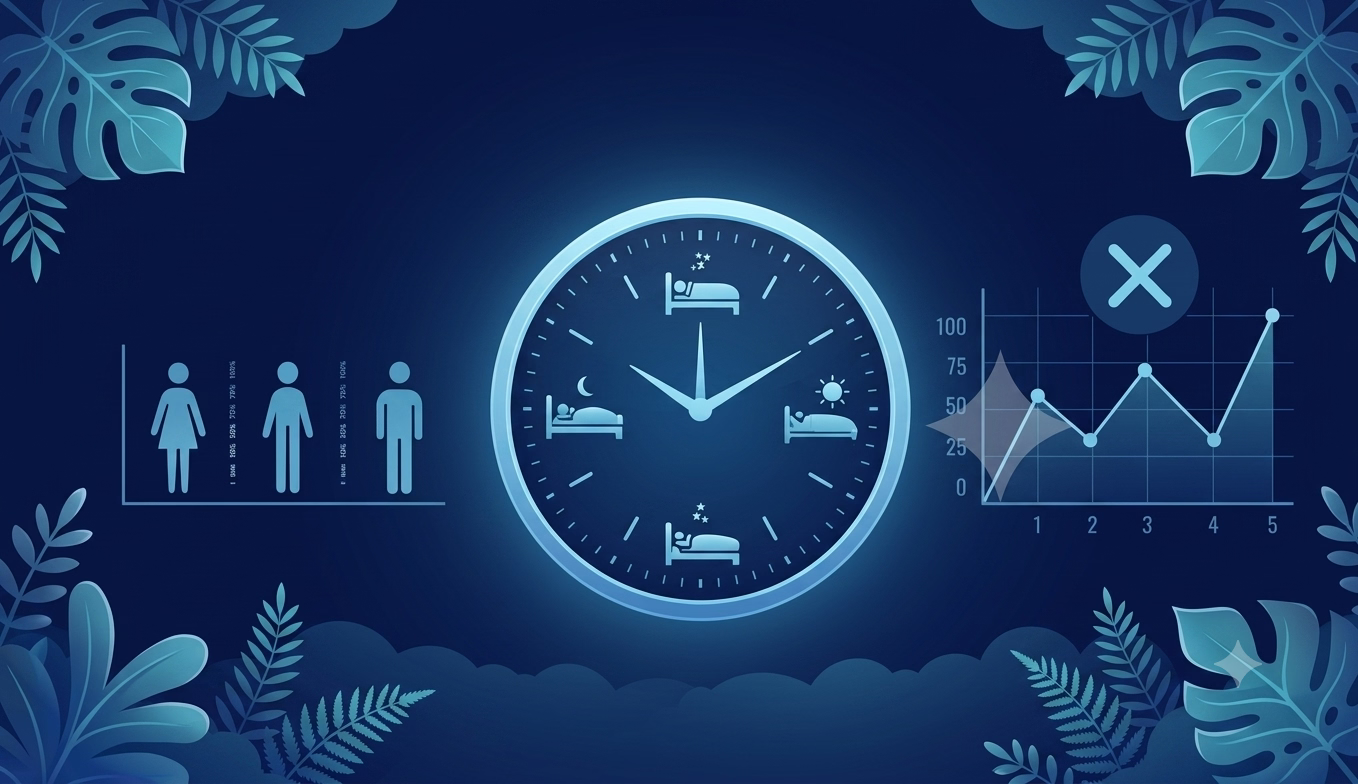
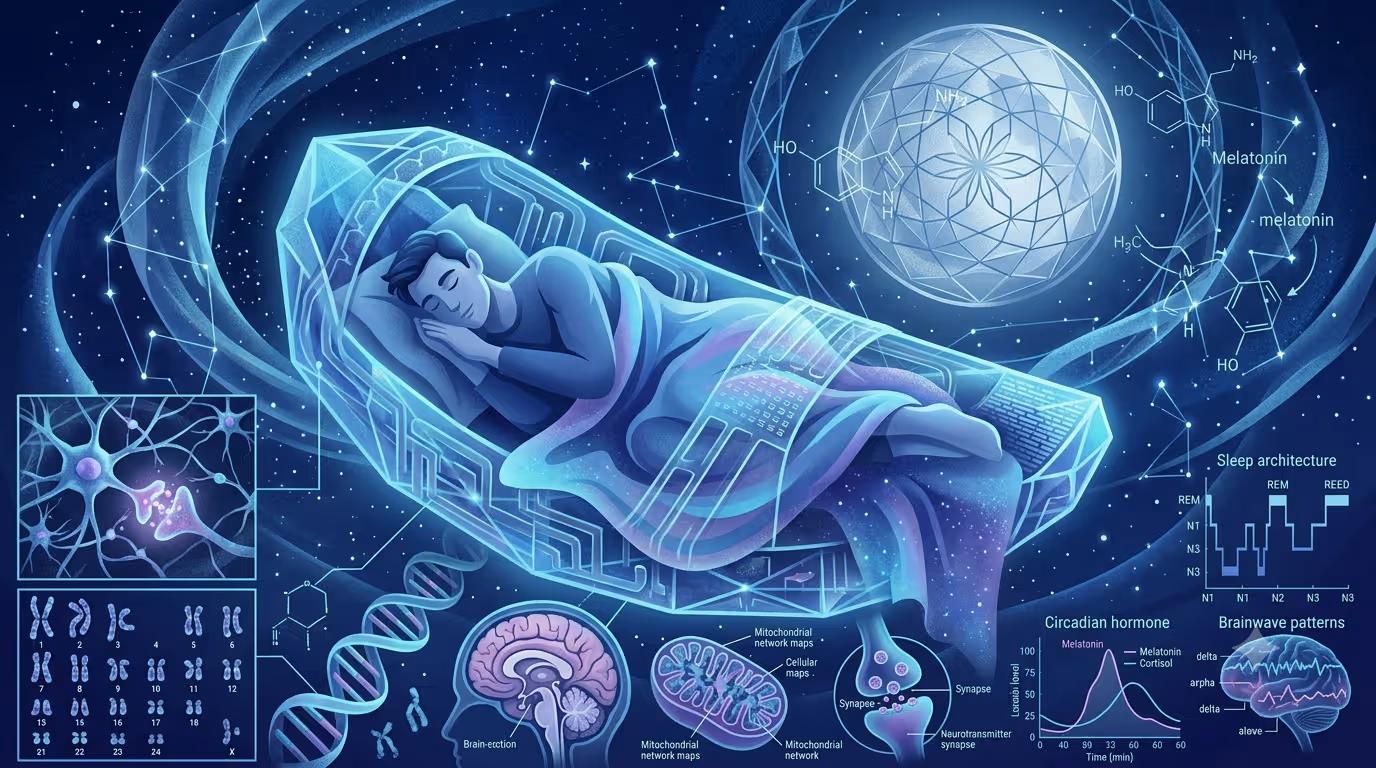
Instead, it follows a daily rhythm that's closely connected to your sleep cycle. Levels begin rising after you fall asleep, continue climbing through the night, and typically peak in the early morning before gradually declining during the day.
That's why a good night's sleep isn't simply "rest." It's one of the main windows during which your body produces testosterone.
Researchers have known for years that healthy testosterone production depends on both sufficient sleep and an intact sleep-wake rhythm. While factors such as age, body weight, physical activity, nutrition, and overall health also influence testosterone, sleep provides the foundation those other factors build upon.
A simple way to think about it is this:
You can't optimize a factory that's only open half the time.
Regularly cutting your nights short reduces the time your body has to follow its normal testosterone-production rhythm.
It's one reason men who work rotating night shifts or frequently change their sleep schedules often have lower testosterone levels than men with consistent sleep patterns. Circadian disruption appears to interfere with the hormonal signals that regulate testosterone production.
Sleep isn't simply another healthy habit to check off your list—it's the biological window during which much of your testosterone is produced.
What Losing Sleep Really Costs You
Most people associate poor sleep with fatigue. Far fewer realize how quickly it can alter the hormones that influence energy, recovery, muscle maintenance, and libido.
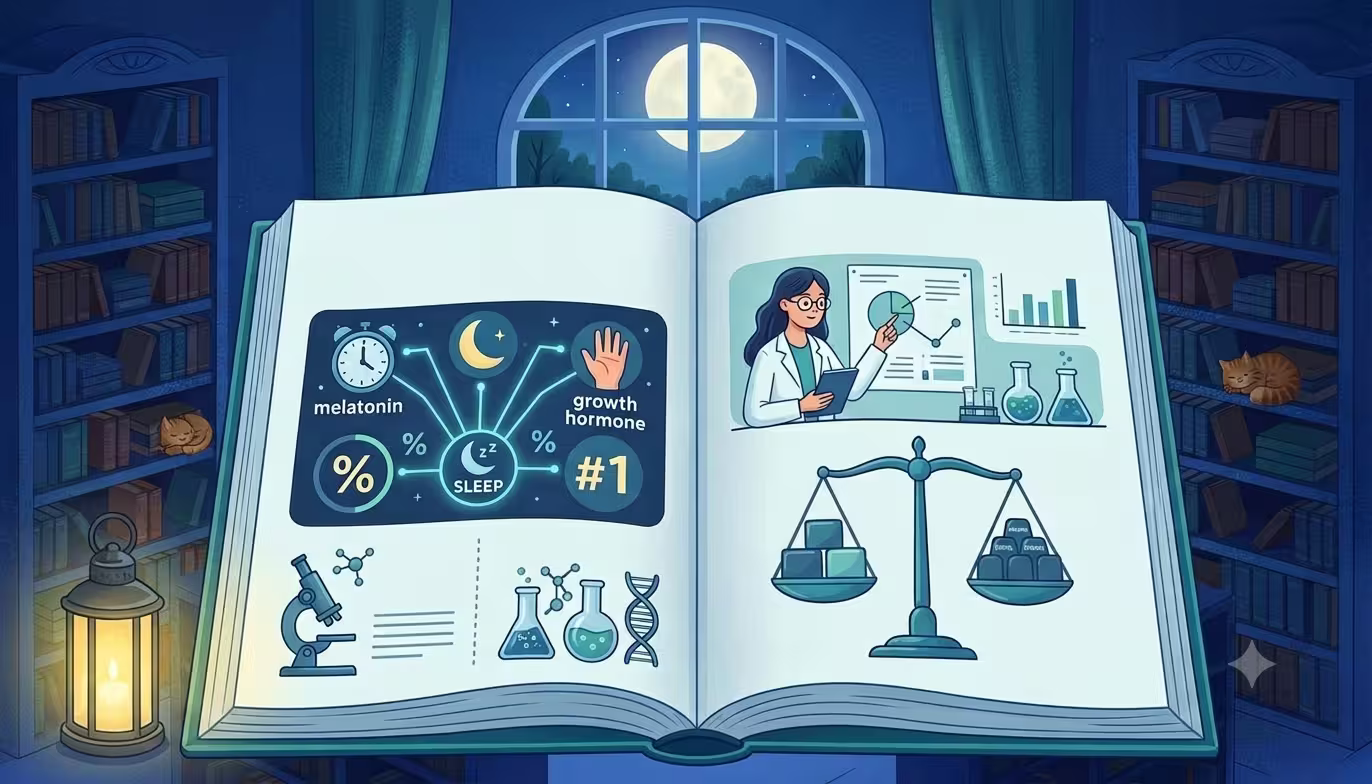
In one of the most influential studies on sleep and testosterone, researchers asked healthy men in their twenties to sleep normally for several nights before restricting them to just five hours in bed each night for one week.
Their daytime testosterone levels fell by 10–15% after only one week of restricted sleep.
More importantly, the hormone changes weren't limited to a lab report.
Participants also reported feeling less energetic, less vigorous, and less positive as the week progressed.
The biggest testosterone reductions occurred later in the day, between afternoon and evening—precisely when many people notice their motivation and energy beginning to fade.
One Week of Short Sleep: The Cost
- Sleep: 5 hours per night for one week
- Daytime testosterone: ↓ 10–15%
- Comparable effect: About 10–15 years of age-related decline
- Participants also reported: Reduced vigor, lower mood, and poorer sense of well-being
- Greatest hormone drop: Afternoon and evening
The important takeaway isn't that one bad night ruins your hormones. It doesn't. Your body is remarkably resilient, and occasional short nights are unlikely to have lasting effects.
But if five-hour nights become your normal routine, your testosterone may never have the opportunity to return to its healthy rhythm.
For this reason, chronic sleep deprivation—not the occasional late night—is the real concern.
Why Deep Sleep Matters, Too
Getting enough sleep is essential.
But sleep quality matters just as much.
Your brain cycles through several sleep stages each night, including light sleep, deep sleep, and REM sleep. Each stage supports different biological processes, but deep sleep appears particularly important for the overnight hormonal environment that supports testosterone production.
When sleep becomes fragmented—because of alcohol, untreated sleep apnea, chronic stress, frequent awakenings, or an inconsistent sleep schedule—you may spend less time in the restorative stages your body depends on.
That means you can technically spend eight hours in bed while still missing some of the physiological benefits of truly restorative sleep.
Research consistently shows that sleep disorders such as obstructive sleep apnea are associated with lower testosterone levels, although obesity and other health conditions often contribute as well. The relationship works in both directions: poor sleep can reduce testosterone, while hormonal changes may further affect sleep quality in some men.
The message isn't that deep sleep magically raises testosterone on its own.
Rather, protecting deep sleep helps preserve the normal overnight hormonal rhythm that healthy testosterone production depends on.
Sleep quantity and sleep quality work together. Focusing on one while ignoring the other is unlikely to produce the best results.
The Behavioral Habits That Protect Your Testosterone
The good news is that you don't need an expensive optimization protocol to support healthy testosterone.
You need habits that protect the hours when your body naturally produces it.
1. Prioritize enough total sleep
Most healthy adults should aim for seven to nine hours of sleep each night.
The biggest hormone declines in research occur when sleep is chronically restricted—not when you occasionally stay up late for a concert or a flight.
If you're routinely sleeping five or six hours, simply extending your sleep may be one of the most effective natural ways to support healthy testosterone.
2. Keep a consistent sleep schedule
Going to bed at midnight one night, 2 a.m. the next, and 10 p.m. after that doesn't give your circadian rhythm much chance to stabilize.
Regular bedtimes and wake times help reinforce your body's internal clock, making it easier to maintain the overnight hormone patterns associated with healthy testosterone production.
Consistency is one of the most overlooked factors in healthy sleep.
3. Protect your deep sleep
Creating better conditions for deep sleep doesn't require complicated biohacking strategies.
Often, the basics work best:
- Keep your bedroom cool.
- Reduce light before bedtime.
- Limit unnecessary noise.
- Give yourself time to unwind before trying to sleep. If you struggle to switch off at night, the science of sleep meditation can help you build a more relaxing bedtime routine.
- Avoid checking emails or social media in bed.
Small improvements in sleep quality, repeated every night, often matter more than occasional attempts to "catch up" on weekends.
4. Limit Alcohol—Especially Close to Bed
Alcohol is often marketed as a sleep aid because it can make you feel sleepy.
While alcohol may help you fall asleep faster, it disrupts the second half of the night, fragments sleep, suppresses REM sleep, and reduces overall sleep quality. That's the opposite of what you want if you're trying to support healthy testosterone production.
Alcohol can also affect testosterone directly. Heavy drinking is associated with lower testosterone levels, and even moderate drinking close to bedtime can interfere with the restorative sleep your hormones rely on.
You don't have to give up alcohol entirely.
But if supporting healthy testosterone is one of your goals, cutting back—especially in the evening—is one of the simplest changes you can make.
5. Maintain a Healthy Weight
Body weight and testosterone are closely connected.
Excess body fat, particularly around the abdomen, is associated with lower testosterone levels. Several biological mechanisms contribute to this relationship, including increased conversion of testosterone into estrogen and changes in the hormones that regulate testosterone production.
Weight also affects sleep.
Men carrying excess weight are more likely to develop obstructive sleep apnea, a condition that repeatedly interrupts breathing during sleep and reduces sleep quality. Because sleep apnea fragments sleep, it may further impair the normal overnight testosterone rhythm.
Healthy testosterone isn't usually about fixing one variable in isolation.
Regular physical activity, a balanced diet, maintaining a healthy weight, and consistently good sleep all reinforce one another.
Good sleep also makes those habits easier to maintain. People who sleep well generally have more energy to exercise, make healthier food choices, and stick with healthy routines over time.
It's an upstream investment that pays off across multiple systems.
If you're trying to make better sleep a lasting habit, tools like the BetterSleep sound mixer can help create a more consistent bedtime environment.
Where Supplements Actually Fit (Honestly)
Search online for "natural testosterone booster," and you'll find hundreds of products promising dramatic results.
The evidence paints a much less convincing picture.
Independent reviews consistently conclude that most multi-ingredient testosterone boosters have little convincing evidence behind them. Many combine herbs, vitamins, and minerals that sound impressive on the label but haven't consistently increased testosterone in healthy men.
Because BetterSleep doesn't sell testosterone boosters or hormone therapy, we can evaluate the evidence without steering you toward a product.
That doesn't mean supplements never help.
Some nutrients—including vitamin D, zinc, and magnesium—play important roles in hormone production. But there's an important distinction:
They tend to help when you're deficient.
Correcting a genuine deficiency may improve testosterone levels because you're restoring normal physiology—not because the supplement has special testosterone-boosting properties.
If your vitamin D level is already adequate, taking more isn't likely to produce another meaningful increase in testosterone. The same principle applies to zinc and magnesium for most healthy adults.
That's why it's worth being skeptical of products marketed as "testosterone boosters."
If a supplement promises dramatic hormone increases without addressing sleep, weight, nutrition, or overall health, it's probably overselling what it can deliver.
Before spending money on pills, ask yourself whether you've already addressed the factors backed by the strongest evidence.
- Getting enough sleep
- Keeping a regular sleep schedule
- Protecting deep sleep
- Limiting alcohol
- Maintaining a healthy weight
- Staying physically active
Those habits aren't flashy.
But they're supported by considerably better science than most products sold in the supplement aisle.
When It's Not Just Sleep
Sleep is the most powerful natural behavioral lever for supporting healthy testosterone—but it isn't a treatment for every case of low testosterone.
If you're experiencing persistent symptoms such as:
- low libido
- ongoing fatigue
- erectile dysfunction
- depressed mood
- reduced muscle strength
- unexplained loss of body hair
it's important to see a healthcare professional rather than trying to diagnose yourself.
Proper evaluation usually involves reviewing your symptoms, medical history, medications, and lifestyle, along with blood tests performed at the appropriate time of day. Some men have medical hypogonadism, sleep apnea, thyroid disease, or other conditions that require targeted treatment.
Likewise, testosterone replacement therapy (TRT) is a medical decision—not simply another wellness product. It offers meaningful benefits for some men with confirmed testosterone deficiency, but it also carries risks, monitoring requirements, and important considerations.
Our companion article on testosterone therapy and sleep explores that question in more detail.
The important point here is simple:
Don't skip the basics.
Many men chase increasingly complicated solutions while overlooking the free habit that supports healthy testosterone every single night.
The Bottom Line
Most of your testosterone is produced while you sleep.
That means the most powerful natural testosterone booster isn't hidden inside a supplement bottle or sold through an online clinic. It's protecting the hours your body already uses to make the hormone.
Before spending money on products that promise more testosterone, invest in the habit backed by the strongest evidence.
Your body already has the machinery to produce testosterone. Sleep gives it the time to do its job.
Frequently Asked Questions
Does sleep really affect testosterone?
Yes. Testosterone follows a daily rhythm that's closely tied to sleep. Most of a man's daily testosterone production occurs during sleep, with levels rising overnight and peaking in the early morning. Studies show that even one week of restricted sleep can significantly reduce daytime testosterone in healthy young men.
How many hours of sleep do I need for healthy testosterone?
Most adults should aim for seven to nine hours of sleep each night. Research suggests that chronic sleep restriction—particularly around five hours per night—can reduce testosterone levels. Consistency and sleep quality are also important, not just the total number of hours.
Do testosterone booster supplements actually work?
Usually not—unless they correct a deficiency. Vitamin D, zinc, and magnesium may support healthy testosterone in people who are deficient, but taking extra when your levels are already adequate is unlikely to provide meaningful benefits. Most commercial testosterone boosters have limited evidence supporting their claims.
Can better sleep raise low testosterone on its own?
If poor sleep is contributing to lower testosterone, improving your sleep may help restore healthier hormone levels. However, sleep isn't a treatment for medical hypogonadism. Persistent symptoms such as low libido, erectile dysfunction, ongoing fatigue, or mood changes should be evaluated by a healthcare professional.
Ready to support your hormones naturally?
Better sleep benefits far more than testosterone. It supports energy, recovery, mood, metabolism, cognitive performance, and long-term health. If better sleep has been missing from your routine, that's the best place to start.