Can Biohacking Actually Improve Your Sleep?
Biohacking can improve your sleep — but the best-proven methods aren't the high-tech ones. The strongest evidence is for behavioral and circadian strategies: a consistent sleep schedule, morning light, regular exercise, and CBT-I for chronic insomnia. Supplements offer modest benefits, while wearables, smart beds, and neurotech remain promising but still emerging.
Medical disclaimer: This article is for educational purposes only and should not replace medical advice. If you've had persistent insomnia, think you may have a sleep disorder such as sleep apnea, or are considering supplements or neurostimulation devices, speak with a qualified healthcare professional before beginning treatment.
Biohacking sleep can work—but the best-proven methods aren't the high-tech ones. Across current research, behavioral and circadian strategies such as a consistent sleep schedule, morning light, regular exercise, and cognitive behavioral therapy for insomnia (CBT-I) have the strongest evidence. Supplements can provide modest benefits, while wearables, smart beds, and neurotechnology remain promising but still emerging. In many cases, the most effective sleep biohacks are also the simplest.
Biohacking sleep sounds futuristic. The evidence tells a different story.
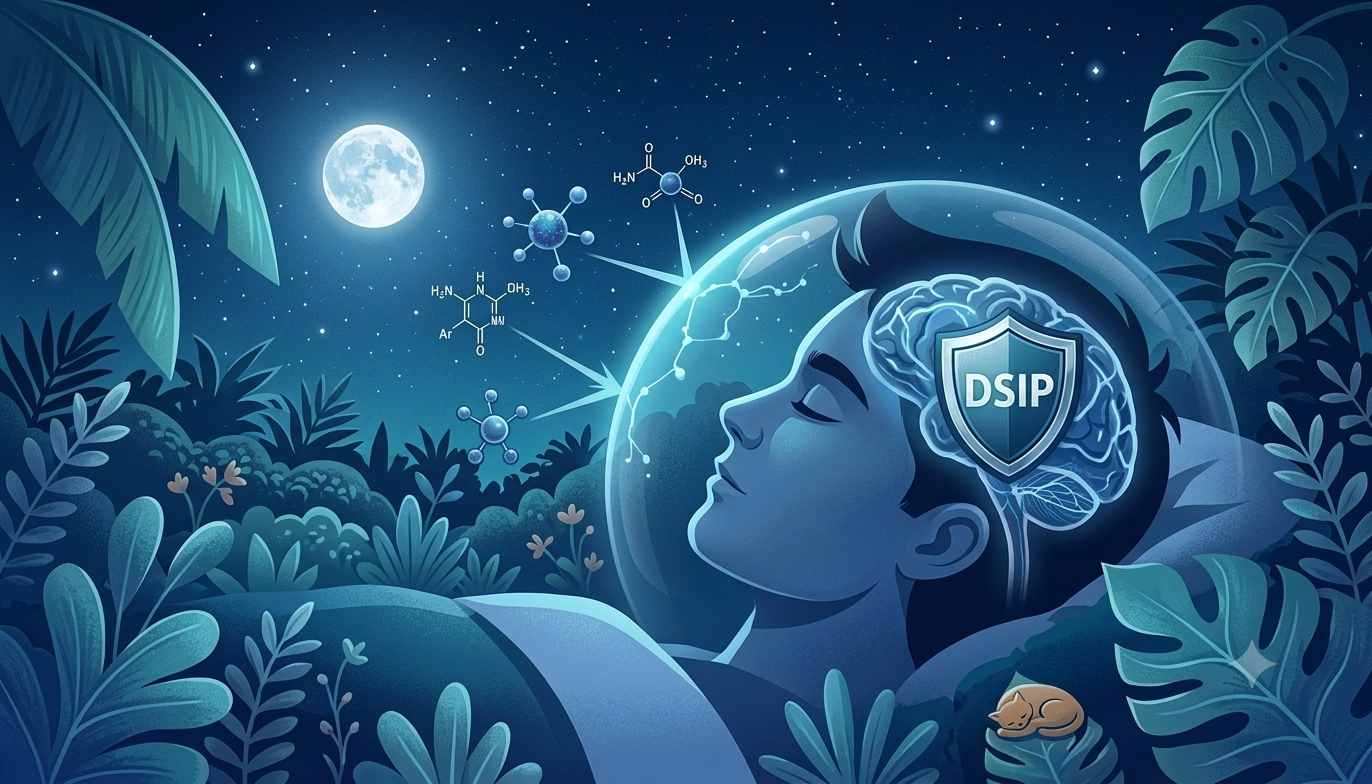
Search for "biohacking sleep" and you'd be forgiven for thinking better sleep comes with a charging cable. Smart rings, temperature-regulating mattresses, brain-stimulation headbands, red-light devices, supplements, and increasingly sophisticated apps all promise to engineer a better night's sleep.
Some of those tools are genuinely interesting. A few are backed by encouraging early research. Many can teach you something about your own sleep.
But they also create an easy assumption: that improving sleep mostly comes down to buying better technology.
That isn't the conclusion the broader research reaches.
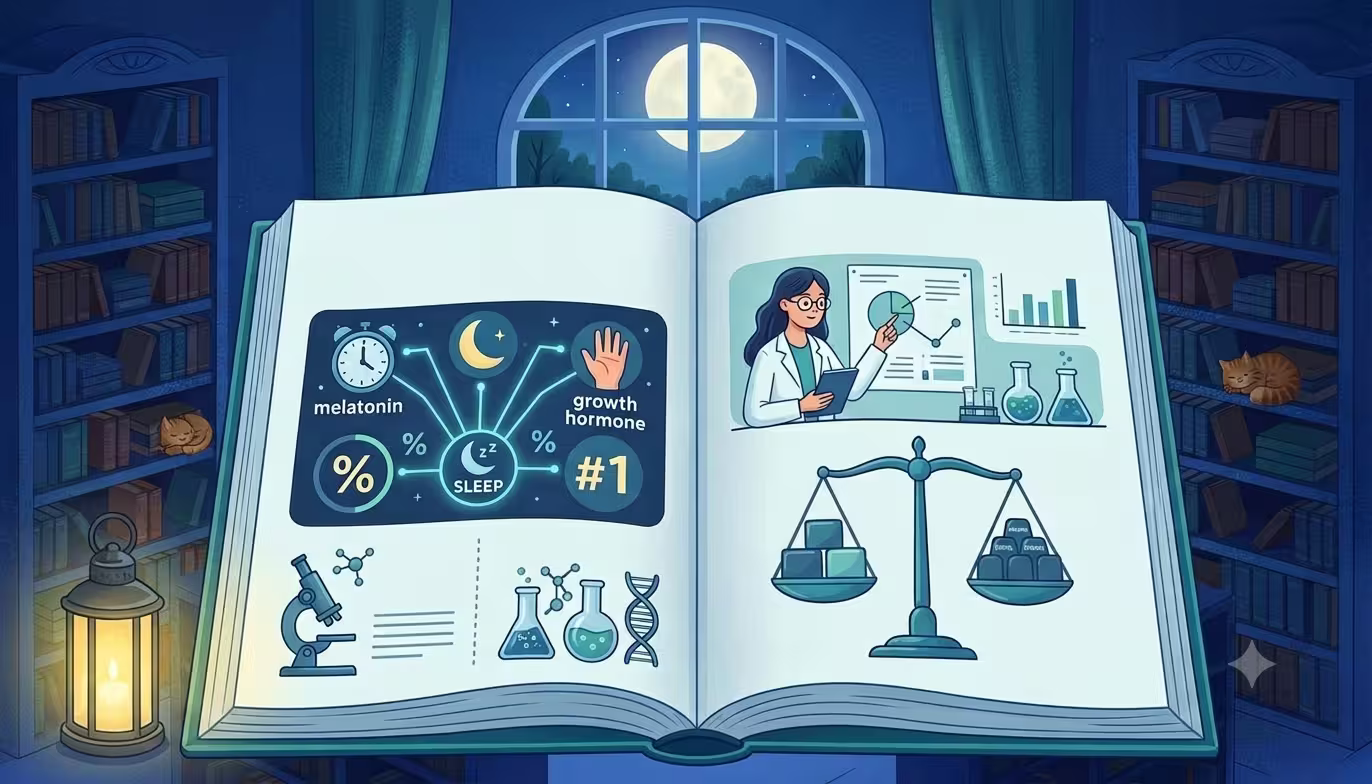
When scientists evaluate sleep interventions across systematic reviews and clinical studies, the strongest and most consistent improvements don't come from expensive gadgets. They come from behaviors that most people already know about, even if they're harder to practice consistently: maintaining a regular sleep schedule, getting light at the right times of day, exercising regularly, managing body weight when appropriate, and using cognitive behavioral therapy for insomnia (CBT-I) when chronic insomnia is present.
That's what makes sleep biohacking a little unusual.
The popular image of biohacking is intensely technological. The evidence is surprisingly biological.
So the real issue isn't whether biohacking can improve sleep.
It can.
The more useful question is which approaches actually deserve your time, attention, and money.
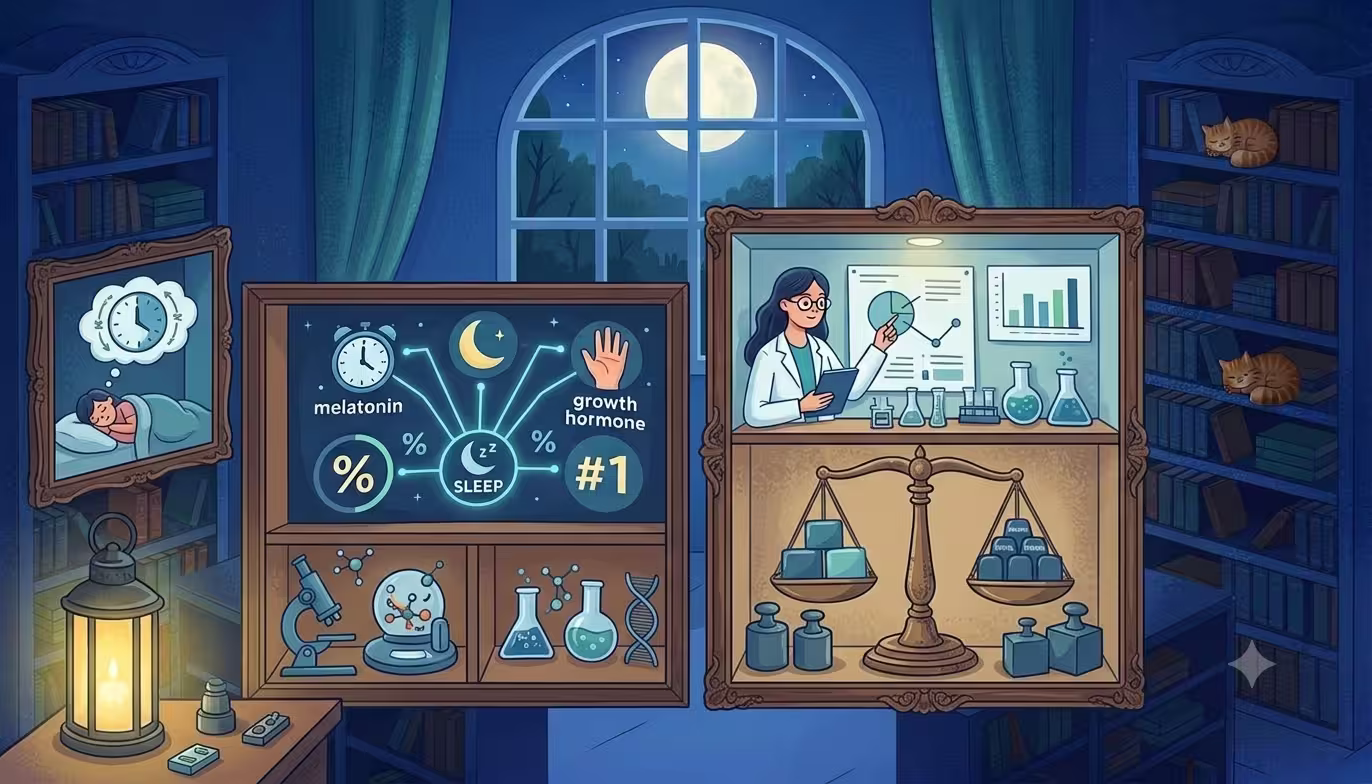
To answer that, it helps to look beyond individual products and evaluate the major categories of sleep biohacking using the same evidence standard.
What "Biohacking Your Sleep" Actually Means
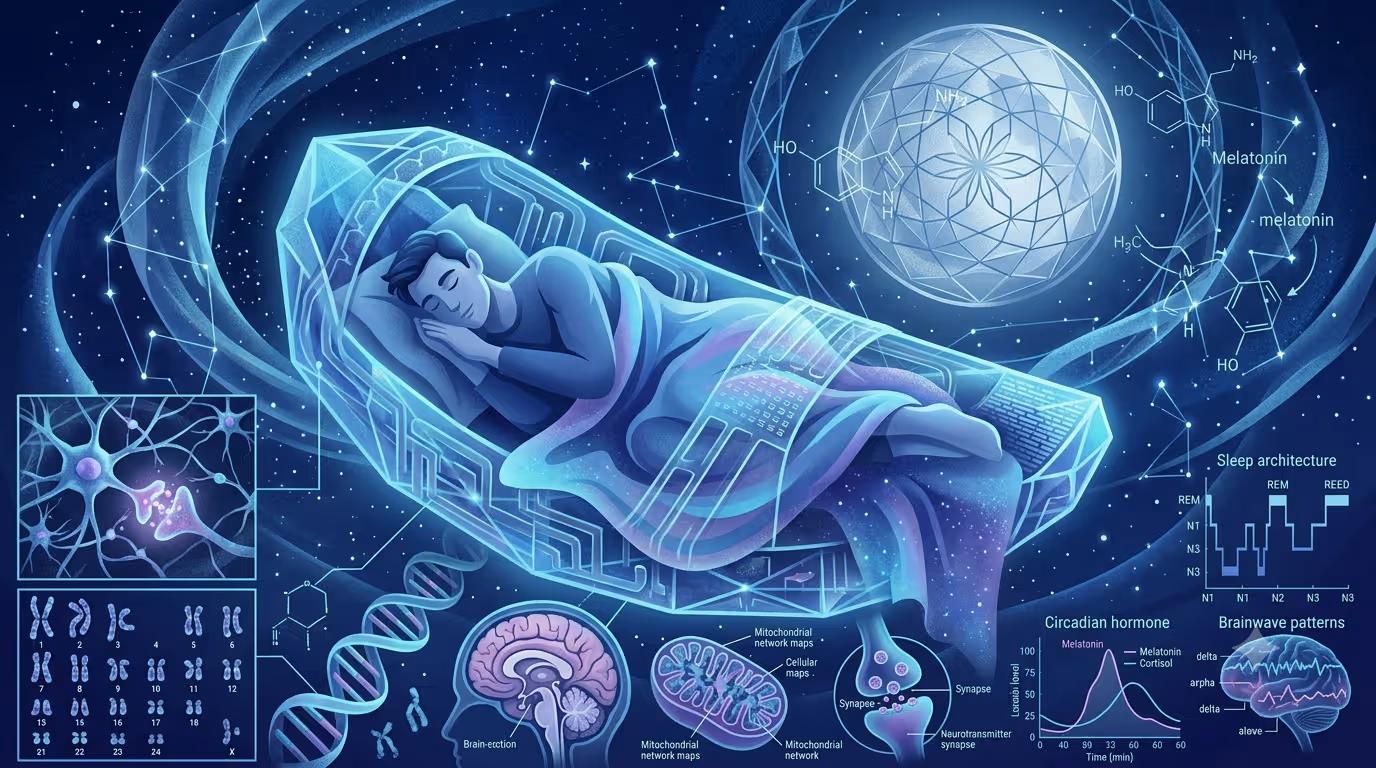
Despite the name, sleep biohacking isn't one specific technique. It's an umbrella term describing intentional ways of improving sleep by working with your biology rather than simply hoping sleep improves on its own.
Some approaches are remarkably simple. Keeping a consistent wake time, spending time in morning light, exercising regularly, and creating an effective bedtime routine all fit comfortably under the biohacking umbrella because they're designed to influence the body's natural sleep systems.
Other approaches add nutrition or supplementation, including magnesium, glycine, L-theanine, tart cherry products, probiotics, or dietary changes intended to support healthy sleep.
At the more technological end of the spectrum are sleep trackers, smart mattresses, wearable devices, neurostimulation systems, and other products that monitor—or attempt to influence—sleep physiology.
That's a wide range of interventions, which is exactly why it's difficult to answer questions like "Does biohacking work?" without separating the categories.
That's because not every approach has earned the same level of scientific support.
Some approaches are supported by decades of research. Others are promising but still waiting for stronger clinical evidence.
STRONG: Behavioral and Circadian Strategies (The Real Sleep Biohacks)
If you take only one idea from this article, make it this: the strongest evidence for biohacking sleep doesn't come from technology. It comes from deliberately working with the biology that already regulates when and how you sleep.
Across recent reviews, the same interventions appear again and again at the top of the evidence hierarchy: maintaining a consistent sleep schedule, exposing yourself to bright light in the morning, exercising regularly, managing body weight when appropriate, and using cognitive behavioral therapy for insomnia (CBT-I) when chronic insomnia is present. Together, these strategies are the foundation of sleep biohacking—not the warm-up before the "real" interventions begin.
Consistency beats intensity
Many people focus on bedtime, but your wake time may be even more important. Getting up at roughly the same time every day helps reinforce your circadian rhythm—the internal clock that regulates sleep and wakefulness over a 24-hour cycle. A stable rhythm makes it easier to fall asleep naturally, improves sleep quality, and reduces the "social jet lag" that can develop when weekday and weekend schedules differ dramatically.
Morning light strengthens that signal even further. Exposure to natural daylight shortly after waking helps anchor the circadian system, making it easier to feel alert during the day and sleepy at night. Together, a consistent wake time and regular morning light provide one of the simplest—and best-supported—ways to improve sleep without buying anything.
For more evidence-based strategies, our guide to How to Get More Deep Sleep: An Evening Routine That Works explores practical ways to build on these fundamentals.
Move during the day to sleep better at night
Exercise rarely gets marketed as a biohack precisely because it's so familiar. Yet it remains one of the most consistently effective ways to improve sleep.
The goal isn't an intense workout every evening. In fact, timing, consistency, and overall activity matter more than chasing a perfect routine. Combined with healthy weight management when appropriate, regular movement supports both sleep quality and broader physical health, reinforcing the idea that the most effective sleep interventions often benefit the entire body rather than sleep alone.
When insomnia becomes chronic
Healthy sleep habits are powerful, but they aren't always enough—particularly for people living with chronic insomnia.
That's where CBT-I becomes especially important. Unlike gadgets or supplements, CBT-I isn't an experimental approach or an optional add-on. Current clinical guidance continues to recommend it as the first-line treatment for persistent insomnia because it addresses the behaviors and thought patterns that keep insomnia going rather than simply masking symptoms.
If you've struggled with insomnia for weeks or months, self-experimenting with increasingly elaborate biohacks is unlikely to replace appropriate evaluation and evidence-based treatment. That's also true if you suspect an underlying condition such as sleep apnea.
The broader lesson is surprisingly simple. Before investing in sophisticated technology, make sure the biological fundamentals are already in place. That's where the research is most consistent—and where most people still have the greatest opportunity for improvement.
MODERATE: Supplements and Nutrition
Supplements sit squarely in the middle of the evidence hierarchy. They don't deliver the dramatic, universal improvements that marketing often promises, but they aren't unsupported by research either.
Across systematic reviews and meta-analyses, the overall picture is one of modest, compound-specific benefits. Some ingredients appear to reduce the time it takes to fall asleep, while others may modestly improve total sleep time or sleep efficiency. Results vary considerably depending on the supplement being studied, the population involved, and the underlying reason someone is having trouble sleeping.
That's an important distinction. Evidence supporting one supplement shouldn't automatically be applied to another simply because both appear on the same "best sleep supplements" list.
Researchers have reported encouraging findings for several ingredients, including magnesium, glycine, L-theanine, and tart cherry, when studied under controlled conditions. Some combination approaches have also produced measurable improvements in sleep onset and duration. But those findings don't mean every person will experience the same benefit, nor do they suggest supplements can replace fundamentals.
Diet quality matters as well. Rather than focusing exclusively on individual compounds, many researchers now view overall dietary patterns as part of long-term sleep health. If you'd like to explore that topic further, our guide to best foods for sleep looks at the evidence behind dietary approaches in more detail.
If you decide to try a supplement, resist the temptation to begin several at once. Introducing one change at a time makes it much easier to determine whether it's actually helping. It's also important to consider possible interactions with medications or existing medical conditions and discuss new supplements with a healthcare professional before starting them.
Melatonin deserves a separate note because it's often treated as a general-purpose sleep aid. The evidence paints a more nuanced picture. Melatonin appears most useful for circadian-related situations, such as jet lag or shift-work adjustment, rather than as a long-term solution for chronic insomnia. Like other supplements, it works best when paired with healthy behavioral habits rather than used as a substitute for them.
Overall, supplements earn a Moderate evidence rating for a reason. They can be worthwhile additions for some people, but they're exactly that—additions. The strongest improvements still come from the habits that have the strongest evidence behind them.
MODERATE–MIXED: The Gut Microbiome Angle
Interest in the gut microbiome has expanded rapidly over the past decade, and sleep has become part of that conversation. The basic idea is straightforward: the trillions of microorganisms living in your digestive tract communicate with the brain through what's often called the gut-brain axis, influencing immune function, metabolism, and potentially sleep.
The biology is compelling, and there's good reason to think the connection is real.
Demonstrating consistent clinical benefits has proved much harder.
Reviews of probiotics, prebiotics, and related interventions have found encouraging results in some studies, particularly among people experiencing stress. Other trials, however, have found little or no meaningful improvement in sleep outcomes. Differences in probiotic strains, treatment duration, study populations, and sleep measurements make the evidence difficult to compare directly.
For now, the fairest conclusion is that improving gut health may support better sleep for some people, but it shouldn't be viewed as a primary sleep intervention. That's why the microbiome earns a Moderate–Mixed rating rather than joining behavioral strategies in the Strong category.
If you're interested in supporting both gut health and sleep, focusing on an overall healthy eating pattern is likely to provide more consistent benefits than chasing individual probiotic products. Our guide to best foods for sleep explores dietary approaches that may support healthy sleep while contributing to overall wellness.
Like supplements, microbiome interventions are best viewed as potential additions to a strong behavioral foundation—not replacements for it.
EMERGING: Wearables, Smart Beds, and Neurotechnology
This is the part of sleep biohacking that receives the most attention—and often the most marketing.
Sleep trackers, smart rings, smart mattresses, temperature-regulating bedding, white noise devices, and neurostimulation headbands all promise to improve sleep by measuring or influencing different aspects of sleep physiology.
The question is whether they've accumulated enough evidence to move beyond "promising" into "proven."
For most devices, the answer is not yet.
Tracking isn't the same as treating
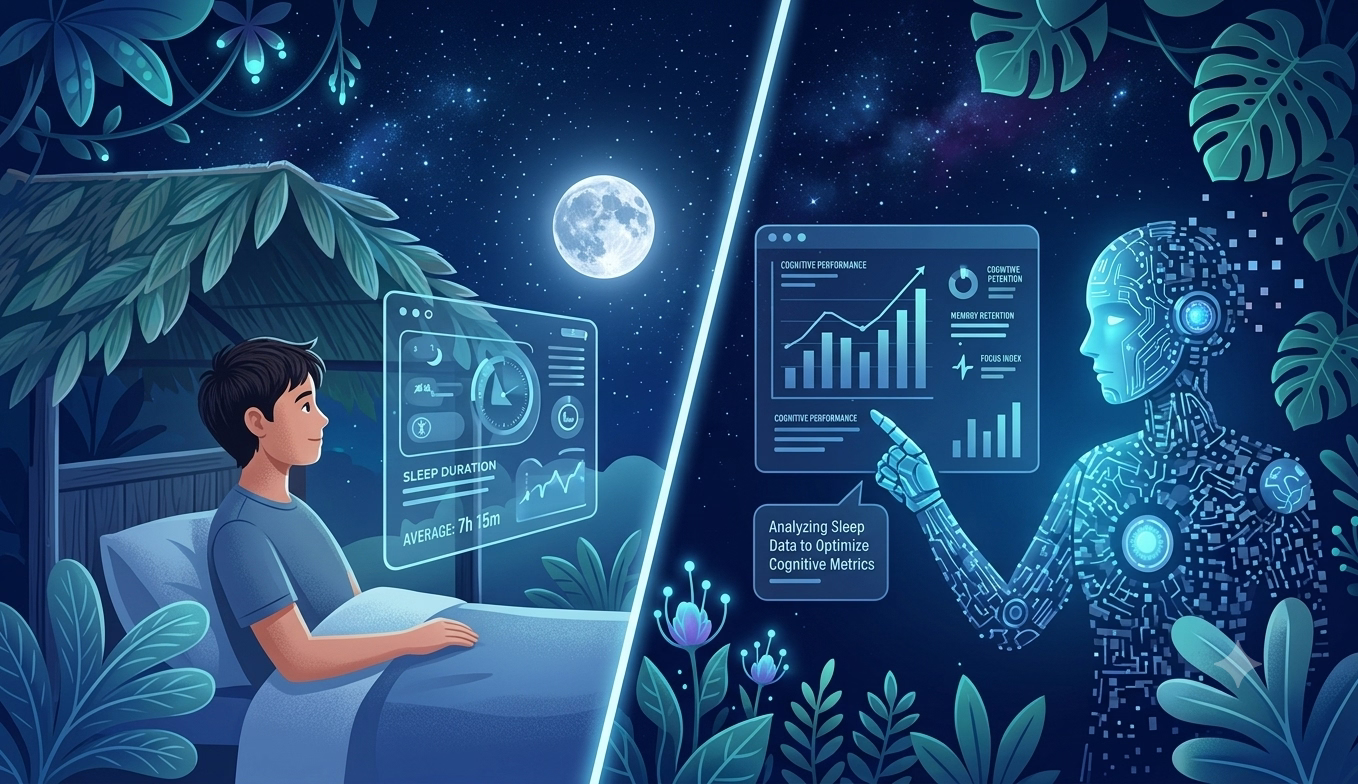
Wearables such as Oura, Whoop, and similar sleep trackers can be valuable because they reveal patterns that might otherwise go unnoticed. You may discover, for example, that alcohol consistently shortens your sleep, late caffeine delays bedtime, or an irregular schedule affects recovery more than you realized.
That's useful information.
But information isn't treatment. If you're considering using a tracker, our comparison of Sleep Cycle vs BetterSleep explains what these apps can—and can't—tell you about your sleep.
A tracker can't replace the behavioral changes that ultimately improve sleep. In some people, becoming overly focused on nightly sleep scores can even increase anxiety about sleep—a phenomenon known as orthosomnia. If you'd like a deeper look at specific products and their evidence, see our companion article, Sleep Tracking Guide: How to Track, Understand & Optimize Your Sleep, which examines many of today's most popular sleep gadgets individually.
Smart devices and neurotechnology
Other technologies attempt to go beyond monitoring. Smart mattresses may adjust temperature during the night, while certain wearable devices use sound, vibration, or gentle stimulation to influence different stages of sleep.
Early findings are encouraging. Some studies have reported improvements in sleep onset, reductions in time spent awake after falling asleep, or increases in specific sleep stages. At the same time, many of these studies remain relatively small, use different technologies and outcome measures, or struggle with placebo controls, making comparisons difficult.
Taken together, that's why neurostimulation and related technologies currently belong in the Emerging category. They deserve continued research, but they shouldn't be viewed as established self-treatment for insomnia or other sleep disorders. If you're considering these devices—particularly those involving electrical or other forms of stimulation—it's sensible to discuss them with a healthcare professional rather than assuming they're a proven alternative to evidence-based care.
Perhaps the most balanced way to think about sleep technology is this: use it to learn about your sleep, not to replace the habits that improve it.
The Personalization Frontier
If there's one area likely to shape the future of sleep biohacking, it's personalization.
Rather than giving everyone the same recommendations, researchers are increasingly exploring ways to tailor sleep advice using information such as circadian preference, work schedule, health status, lifestyle, and wearable data.
That approach may prove especially valuable for shift workers, athletes, frequent travelers, and others whose schedules don't fit a traditional sleep routine.
It's an exciting direction for sleep research, but it's still early. Personalized approaches have shown promise for improving alertness, scheduling, and daytime performance, yet evidence for consistently improving objective sleep outcomes remains less mature than the evidence supporting established behavioral strategies.
In other words, personalization may eventually help fine-tune a healthy sleep routine. It isn't a shortcut around building one.
How to Actually Biohack Your Sleep
If all of this feels like a lot, the evidence offers a surprisingly simple place to start.
Start with the interventions carrying the strongest evidence before spending money on supplements or technology.
- Keep a consistent sleep and wake schedule—even on weekends.
- Get natural light soon after waking whenever possible.
- Stay physically active throughout the week.
- Build a calming bedtime routine that you can maintain consistently.
- If chronic insomnia is an issue, seek evaluation and consider CBT-I rather than relying on self-experimentation.
Only after those foundations are in place should you consider adding supplements or technology—and even then, introduce one change at a time. If you change five variables simultaneously, you'll have no way of knowing which one actually made a difference.
None of this means technology or sleep apps have no place. The evidence simply suggests they work best when they're reinforcing healthy habits—not replacing them. Guided relaxation, meditation, calming sounds, and bedtime routines can make it easier to stay consistent with those habits. That's where resources such as Sleep Meditations for Anxiety, Do Sleep Stories Work?, and the BetterSleep Sound Mixer naturally fit: not as miracle biohacks, but as practical ways to reinforce the foundations that already work.