How Alcohol Affects Sleep? Science-Backed Ways to Sleep Better
While alcohol may help you fall asleep 10-15 minutes faster, it significantly disrupts sleep quality throughout the night. Research shows alcohol reduces REM sleep by up to 39%, fragments deep sleep cycles, and increases heart rate during rest—leading to poor sleep quality and daytime fatigue.
For many of us, an evening drink is part of how the day winds down. Alcohol can feel relaxing, quiet mental noise, and make falling asleep seem easier. Because of that, alcohol is often used—consciously or not—as a sleep aid. If you’ve ever poured a drink hoping it would help you sleep, you’re far from alone.
The thing, however, is that alcohol and sleep don’t really work together the way they appear to. So sure, alcohol can make you feel drowsy, but it also typically reduces sleep quality, disrupts sleep stages, and fragments your rest later in the night. That’s why people who drink in the evening frequently wake up around 2 or 3 a.m., feel unrefreshed in the morning, or struggle with ongoing sleep problems despite spending enough time in bed.
This guide explains how alcohol affects sleep, why alcohol disrupts sleep so consistently, and how to reduce alcohol consumption for better sleep without extreme rules or guilt. The goal isn’t perfection or abstinence. It’s understanding what’s happening in your body and making changes that support deeper, more restorative rest.
Many people are gob smacked to learn that the sleep problems they associate with stress, aging, or “just being a light sleeper” are actually linked to their alcohol consumption—sometimes even at levels generally considered moderate. Because alcohol is so socially normalized, its effects on sleep tend to go unnoticed or are written off as coincidence.
And that’s where the trouble starts. Poor sleep quality affects mood, focus, immune function, and emotional resilience, making everyday challenges feel harder than they should.
Understanding the relationship between alcohol and sleep gives you some leverage. Instead of guessing why your sleep feels off, you can identify patterns, experiment with small changes, and measure what actually improves your rest. For many people, reducing alcohol—which doesn’t mean eliminating it entirely—is enough to restore more stable sleep and better daytime energy.
The sedative effect of alcohol—and why it fades
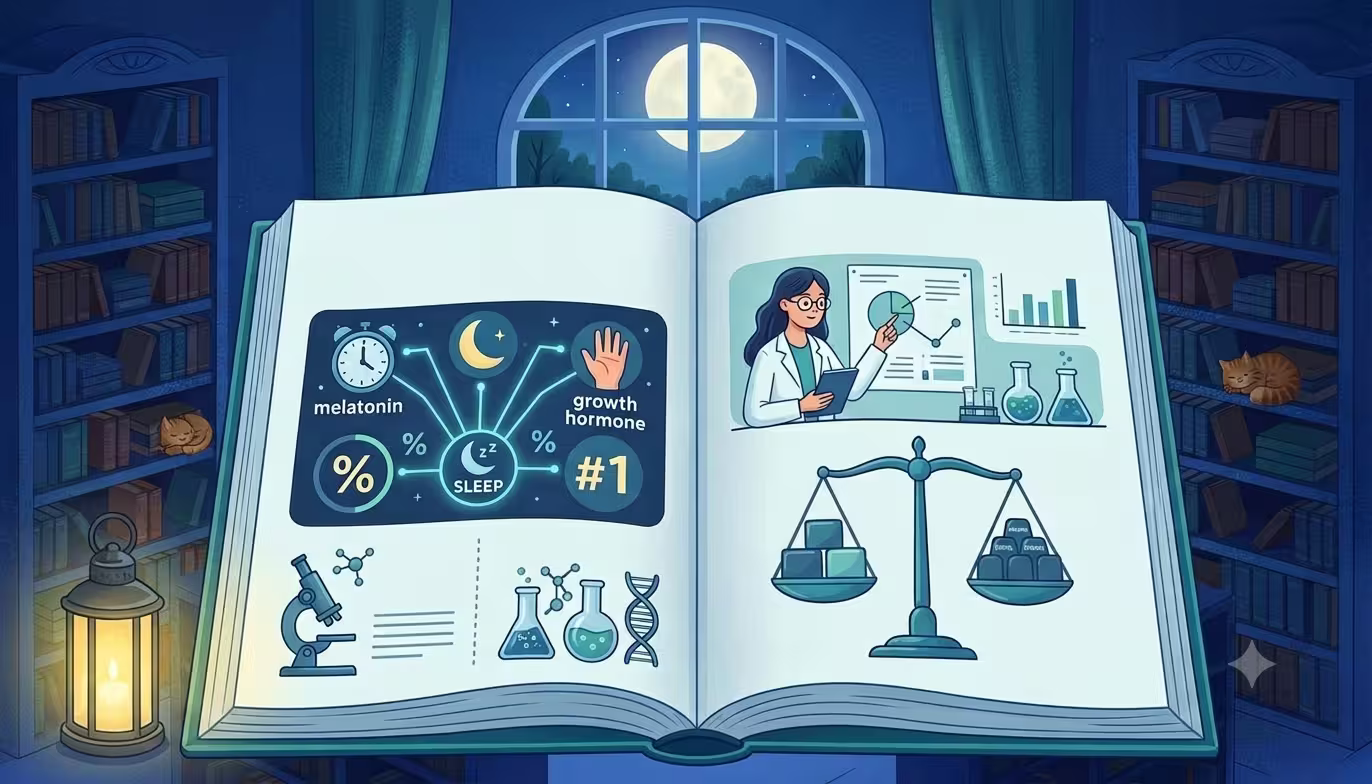
Alcohol has what sleep researchers call a biphasic effect. Early in the night, alcohol acts as a sedative. It increases GABA activity and adenosine signaling, which can shorten sleep onset and make you feel relaxed and sleepy. This is why alcohol often seems to help with falling asleep.
However, this effect is temporary. A large review published in Alcoholism: Clinical and Experimental Research found that alcohol consistently reduces sleep onset latency and creates more consolidated sleep early in the night, followed by significantly increased sleep disruption in the second half of sleep—even at low to moderate doses.
In practical terms, it’s true that alcohol helps initiate sleep, but it interferes with maintaining the kind of stable, high-quality sleep you want and need.
REM sleep suppression
One of the most consistent findings in alcohol and sleep research is REM sleep suppression. REM sleep plays a critical role in memory consolidation, emotional regulation, learning, and mental recovery. When REM sleep is reduced, people usually wake feeling mentally foggy, emotionally flat, or unusually irritable.
A 2025 systematic review and meta-analysis in Sleep Medicine Reviews showed that while alcohol may shorten the time it takes to fall asleep, it significantly reduces REM sleep later in the night in a dose-dependent way.
Sleep scientist Dr. Matthew Walker has described alcohol as “one of the most powerful suppressors of REM sleep,” noting that even moderate evening drinking can significantly reduce REM sleep during the second half of the night, when this stage should normally be most abundant.
Disrupted sleep architecture
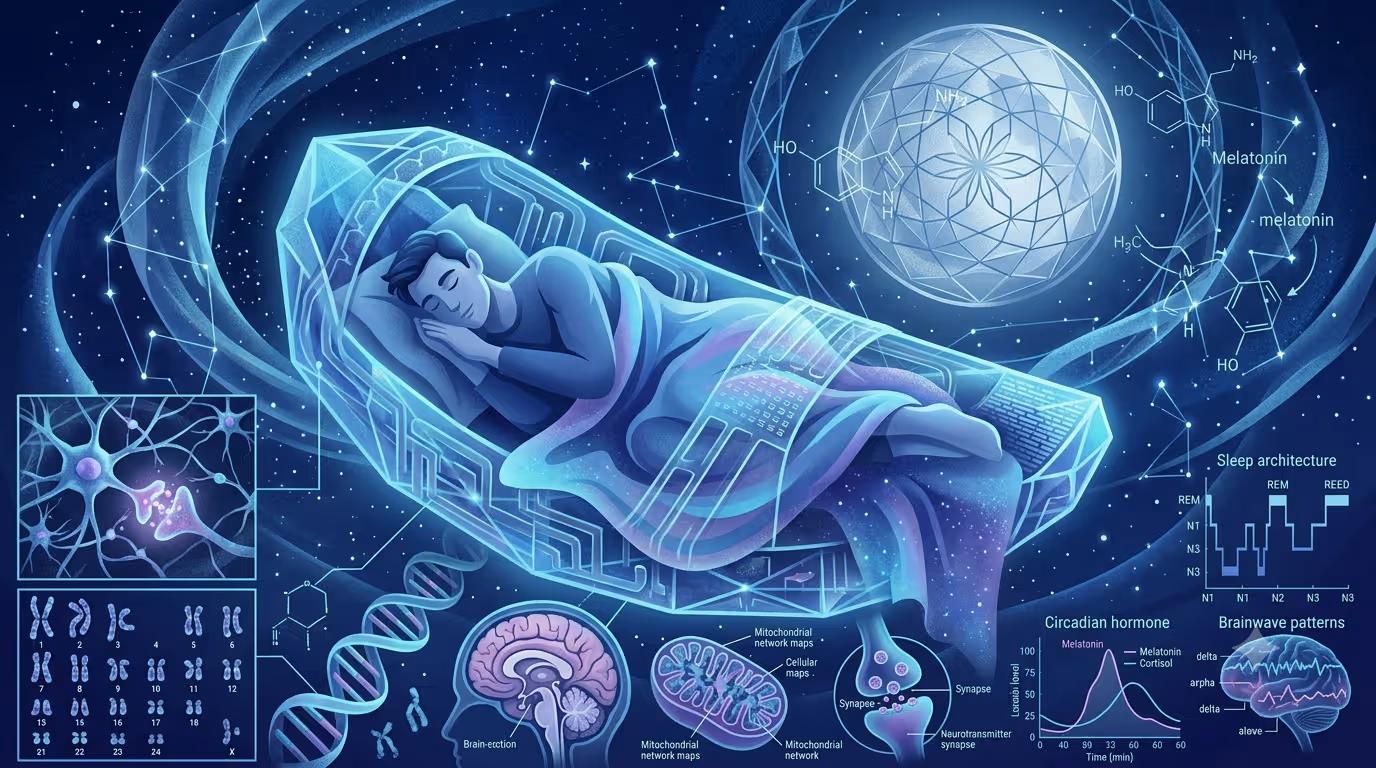
Healthy sleep moves through predictable stages—light sleep, deep sleep, and REM sleep—in cycles lasting about 90 minutes. Alcohol disrupts this sleep architecture. These changes don’t always register consciously. You might stay asleep for most of the night and still feel exhausted in the morning. That’s because alcohol-related sleep disruption often shows up as subtle fragmentation rather than full awakenings. Brief arousals, shifts out of deeper sleep, and shortened REM periods can all occur without you remembering them. Even though your eyes stayed closed, your brain never reached the depth or continuity of sleep it needed.
What often develops instead is a mismatch between how long you think you’re sleeping and how rested you actually feel. That’s why many people reach for more caffeine during the day, then rely on alcohol again the following night—without realizing they’re feeding the same cycle.
Under the surface, sleep itself starts to change. You may get more deep sleep early in the night, followed by lighter sleep, more awakenings, and less REM sleep later on.
If you track your sleep, this shift often shows up as fewer complete sleep cycles and lower sleep efficiency. Understanding how normal sleep cycles work helps explain why alcohol-affected sleep so often feels shallow and unrefreshing.
Why Alcohol Disrupts Sleep
Alcohol disrupts sleep through several overlapping biological mechanisms, which is why its effects are so reliable.
Rebound insomnia
As alcohol is metabolized during the night, its sedative effects wear off. The nervous system rebounds into a more activated state, leading to awakenings—often around 2 or 3 a.m. This phenomenon is known as rebound insomnia.
People commonly wake with racing thoughts, restlessness, sweating, or a pounding heart, followed by difficulty falling back asleep. This response isn’t anxiety or poor sleep discipline, it’s a predictable physiological reaction.
Importantly, this rebound effect tends to get stronger with age. As the body’s ability to metabolize alcohol slows, alcohol may linger longer in the system and then wear off more abruptly. This can make nighttime awakenings feel more intense and make it harder to fall back asleep. What once felt like “one harmless drink” may suddenly start producing noticeable sleep disruption years later, even if drinking habits haven’t changed.
Disruption of sleep regulation
Alcohol interferes with sleep homeostasis, the system that regulates sleep pressure and depth. A review in the journal Alcohol explains that alcohol disrupts natural sleep-wake regulation by altering adenosine signaling and neurotransmitter balance, leading to lighter, more fragmented sleep.
Circadian rhythm effects
Alcohol also affects circadian rhythm regulation, including the timing of melatonin release. Research published in Sleep Medicine Reviews shows that alcohol can shift the sleep-wake cycle and contribute to circadian misalignment, especially when drinking occurs regularly in the evening.
Tolerance and escalation
Some people feel alcohol initially helps their sleep, particularly when insomnia is present. But tolerance develops quickly. A review of alcohol use and sleep found that while low doses may temporarily improve sleep onset, sleep disruption increases as tolerance builds.
Common Sleep Problems Caused by Alcohol
Alcohol doesn’t affect everyone’s sleep the same way, but several patterns are especially common.
Waking up at 3 a.m.
The classic 3 a.m. wake-up is one of the most frequent alcohol-related sleep complaints we hear at BetterSleep. As alcohol wears off, nervous system activity increases, pulling you out of deeper sleep and making it difficult to return to rest.
Snoring and sleep apnea
Alcohol relaxes the muscles of the upper airway, increasing snoring and worsening obstructive sleep apnea. A large meta-analysis found a 25% higher risk of sleep apnea among people who consume alcohol.
Because snoring can be related to airway issues that disturb sleep, cutting back on alcohol before bed is especially important; you can also learn more about how snoring affects your rest and how BetterSleep can help you track it in the Can BetterSleep Help with Snoring? article.
Insomnia and poor sleep quality
Regular alcohol use is strongly associated with insomnia and reduced sleep quality. A study in the Korean Journal of Family Medicine found that alcohol consumption is linked to poorer sleep quality and higher rates of insomnia symptoms.
For structured, non-medication approaches to insomnia, BetterSleep’s Insomnia Tips: Fall Asleep Faster, Wake Clearer outlines simple, habit-based strategies that can help you fall asleep more easily and stay asleep through the night.
Elevated nighttime heart rate
Alcohol also affects cardiovascular regulation during sleep. Research in the American Journal of Physiology shows that alcohol can increase nighttime heart rate and reduce heart rate variability, contributing to restless, shallow sleep.
How to Reduce Alcohol Consumption for Better Sleep
Reducing alcohol doesn’t have to mean quitting entirely. For many moderate drinkers, small, intentional changes lead to meaningful improvements in sleep quality.
1. Track alcohol and sleep together
Track how much you drink, when you stop drinking, and how you sleep for one to two weeks. Patterns usually become obvious quickly and can be motivating in their own right.
2. Set clear limits
Limits work best when they’re specific and flexible rather than rigid or punitive. For example, instead of telling yourself you’ll “drink less,” you might decide to drink only on certain days of the week or cap your drinking at one or two drinks per occasion. Writing these limits down, even informally, should make them easier to follow.
It can also help to separate social drinking from sleep-related drinking. Lots of people find they don’t actually miss alcohol once it’s removed from their evening routine at home, even if they still enjoy drinking occasionally in social settings. This distinction allows you to protect sleep on most nights without feeling deprived or socially restricted.
Decide in advance how many drinks you’ll have per night or per week, and choose specific alcohol-free days. Clear boundaries are easier to follow than vague goals like “drink less.”
3. Finish drinking earlier
Aim to stop drinking at least three or four hours before bedtime. This gives your body time to metabolize alcohol and reduces REM sleep suppression, sleep disruption, and nighttime awakenings.
4. Replace the ritual
If alcohol is part of your nightly wind-down, replace the ritual—not just the drink. Herbal tea, sparkling water, or a warm beverage can preserve the sense of relaxation without disrupting your sleep.
5. Create a new wind-down routine
For many, alcohol often signals that the day is over. Replace that signal with calming habits like a meditation for sleep, gentle stretching, or breathing exercises.
6. Address underlying stress or anxiety
If alcohol helps you cope with stress and anxiety, focus on healthier strategies for managing anxiety at night.
7. Reduce gradually if needed
Gradual reduction is often more sustainable. Research shows that sleep improves over time with consistent habits, even if short-term disruption occurs.
Better Sleep Strategies That Work Without Alcohol
Reducing alcohol works best when paired with habits that support sleep directly.
These strategies are especially important during the first few weeks of your alcohol reduction, when sleep may feel temporarily less predictable. Alcohol often masks underlying sleep issues, so removing it might reveal habits or environmental factors that need attention. This isn’t a setback—it’s just useful information. Addressing these factors directly leads to far more durable improvements than alcohol could ever provide.
Building a consistent sleep routine is particularly powerful. Repeating the same wind-down sequence each night trains the brain to associate certain cues with sleep, reducing the need for chemical sedation. Over time, this consistency restores confidence in your ability to fall asleep naturally, which is often just as important as the sleep itself.
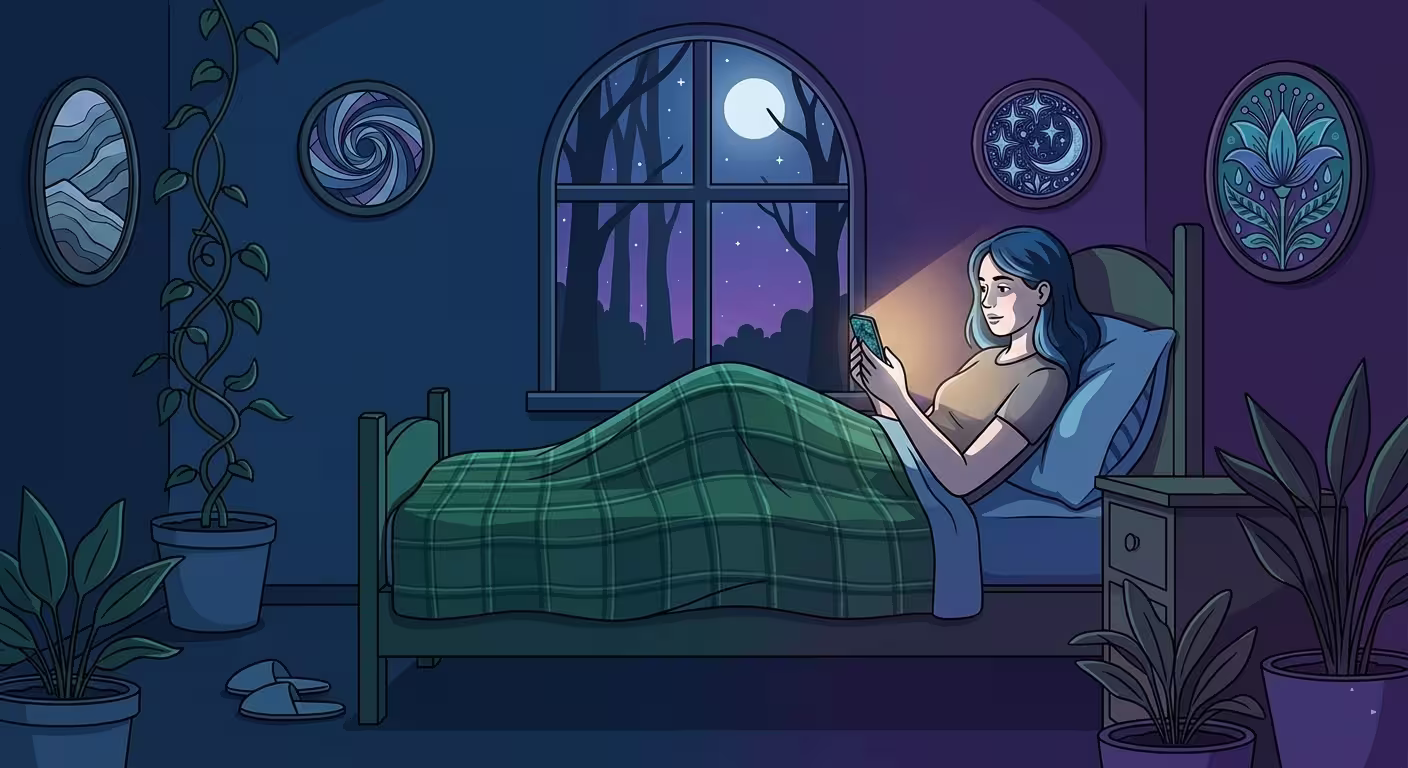
Improving sleep hygiene—like keeping consistent bed and wake times, creating a cool and dark sleep environment, and limiting screens before bed—can dramatically improve sleep quality without relying on alcohol.
Relaxation techniques like progressive muscle relaxation and guided breathing help calm the nervous system and make sleep feel more natural.
For people sensitive to nighttime noise, white noise and sleep sounds can reduce awakenings and improve sleep continuity
Many people also benefit from bedtime stories and guided audio, which provide mental distraction and relaxation without suppressing REM sleep
When appropriate, some people explore natural sleep aids as part of a broader routine rather than a quick fix.
What to Expect When You Reduce Alcohol
Weeks 1–2:Falling asleep may feel harder at first. Some people notice immediate improvements, while others experience temporary restlessness as the body adjusts.
Weeks 3–4:Nighttime awakenings decrease, REM sleep rebounds, and mornings feel more refreshing.
Months 2–3:Sleep quality stabilizes. While some disturbances can persist longer, gradual improvement is typical.
Frequently Asked Questions About Alcohol and Sleep
Does alcohol help you sleep?
Yes, it might help you to fall asleep faster, but it reduces sleep quality and REM sleep later on in the night.
Why do I wake up at 3 a.m. after drinking?
Because rebound insomnia occurs as alcohol wears off and the nervous system becomes more active.
How long before bed should I stop drinking?
At least three to four hours before sleep. The earlier the better.
Will my sleep improve if I reduce alcohol?
For most people, yes. Many will notice improvements within one to four weeks.
Is any alcohol good for sleep?
No. All alcohol disrupts sleep to some degree.
Can occasional drinking still affect sleep?
Yes. Even occasional alcohol can disrupt sleep that night.
Bringing It All Together: Better Sleep Starts With Awareness
Alcohol and sleep have a complicated relationship. While a drink may help you feel relaxed in the moment, the research is clear that even moderate alcohol use can interfere with sleep quality, disrupt REM sleep, and lead to more frequent wake-ups through the night. Left unchecked, that pattern can quietly add up to poorer rest, lower energy, and a growing sense that you’re never quite sleeping as well as you should.
Encouragingly, improving sleep doesn’t require absolute perfection or giving up alcohol entirely. For many people, small changes make a meaningful difference. Shifting the timing of your last drink, reducing how often you drink, and/or replacing alcohol with a calmer wind-down routine should noticeably improve how you sleep and how you feel the next day.
Better sleep is often about paying attention to patterns and giving your body the conditions it needs to recover naturally. Whether you choose to reduce alcohol occasionally or more consistently, the key is curiosity rather than restriction. With the right habits, tools, and expectations, better rest is not only possible — it’s often closer than it feels.