Mental Health and Sleep: How They're Connected
Sleep and mental health are bidirectional — poor sleep heightens emotional reactivity and raises the risk of anxiety and depression, while conditions like stress and PTSD can fragment sleep through hyperarousal and racing thoughts. Strategies like a consistent sleep schedule, relaxation techniques, and cognitive behavioral therapy for insomnia (CBT-I) can improve both sleep quality and emotional well-being.
Sleep and mental health are deeply connected — poor sleep increases emotional reactivity, elevates stress hormones, and raises the risk of anxiety and depression, while mental health challenges like racing thoughts and hyperarousal can fragment sleep in return. Improving one often benefits the other through strategies like maintaining a consistent sleep schedule, practicing relaxation techniques before bed, and seeking therapy such as CBT-I when needed.
Sleep and mental health are often treated as separate conversations. One belongs to the bedroom. The other belongs to therapy offices, medical clinics, or private inner struggles. But in reality, they are deeply interconnected biological systems that influence each other every single day.
Modern research makes this clear: sleep isn’t just a passive state of rest. It is an active neurological process that regulates mood, stabilizes emotional responses, supports stress recovery, and recalibrates the brain’s chemistry. When sleep becomes disrupted—whether that be through insomnia, irregular schedules, or chronic sleep deprivation—the effects ripple directly into mental health. Likewise, when someone is experiencing anxiety, depression, post-traumatic stress, or other mental health challenges, sleep is often one of the first systems affected.
Nearly 1 in 5 adults experience a mental health challenge each year, and a majority of those individuals report ongoing sleep problems. At the same time, long-term sleep disturbances significantly increase the risk of developing anxiety and depression. It’s a classic vicious circle.
This relationship runs in both directions.
Poor sleep can heighten emotional reactivity, impair stress tolerance, and make negative thoughts feel more intense. Mental health challenges can disrupt circadian rhythms, increase nighttime hyperarousal, and fragment sleep architecture. Left unaddressed, this reciprocal pattern often turns into a self-reinforcing cycle.
It’s important to remember that this cycle isn’t a personal failing. It simply reflects measurable changes in brain function, stress hormones, and neural connectivity.
Dr. Michael Perlis, director of the Behavioral Sleep Medicine Program at the University of Pennsylvania and a leading expert in insomnia research, explains: “Sleep disturbance is both a symptom and a cause of mental health problems.” That insight represents a shift in how clinicians now understand the relationship. Sleep problems aren’t merely side effects—they can actively contribute to the development or worsening of mental health challenges.
The encouraging reality is that this relationship also offers opportunity. Because sleep and mental health influence one another, improvement can begin from either direction. Strengthening sleep can support emotional stability. Addressing anxiety, depression, or stress can restore healthier sleep patterns.
Throughout this guide, we’ll explore:
- What the relationship between sleep and mental health truly looks like
- How sleep affects emotional regulation and brain function
- How lack of sleep and sleep deprivation impact mental health
- The specific connections between sleep and depression, anxiety, PTSD, bipolar disorder, and ADHD
- Evidence-based strategies that improve both sleep and mental wellbeing
- When professional support is essential
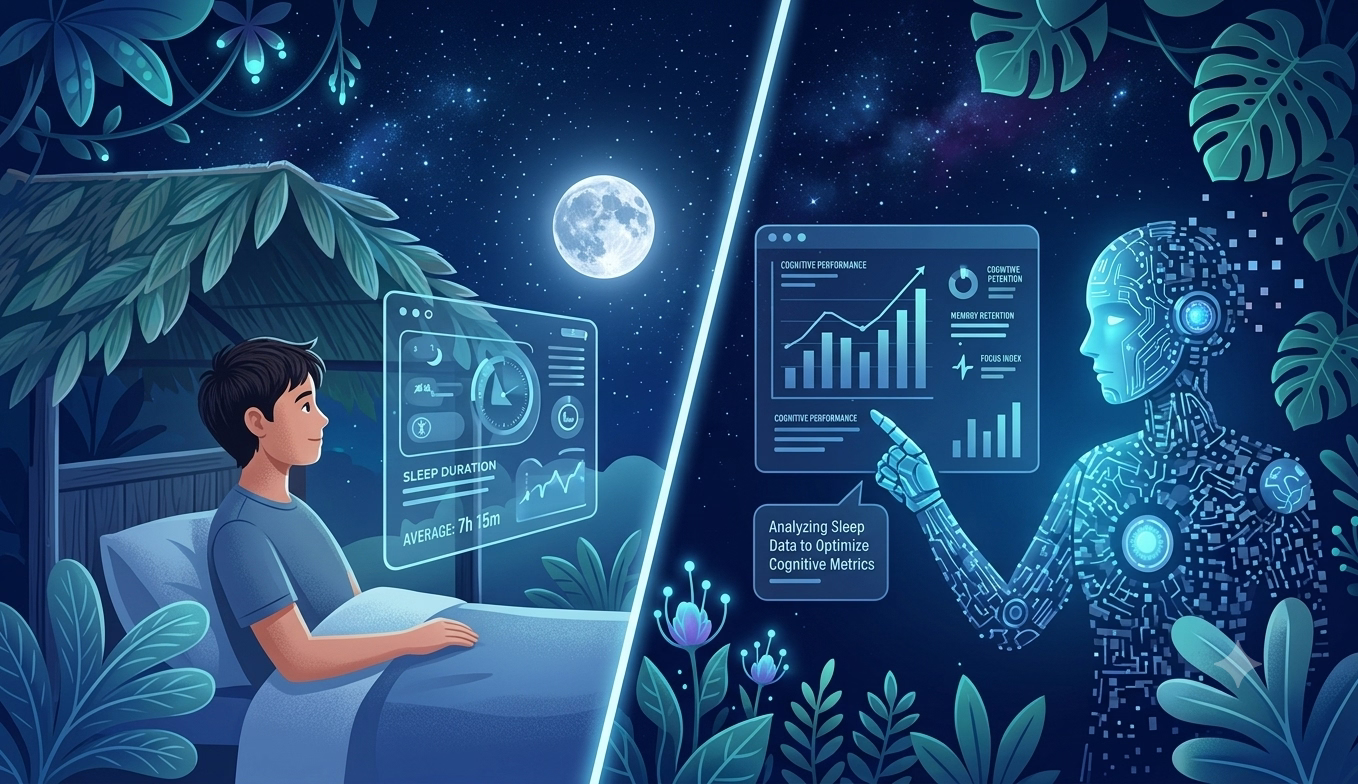
Tools like the BetterSleep app help you to monitor sleep patterns alongside mood changes, offering insight into how these systems interact over time. Whether you track patterns digitally or in a journal, awareness is often the first step toward change.
Understanding the science behind sleep and mental health moves the conversation from guesswork to strategy. When you know how these systems interact, you can respond more effectively.
How Does Sleep Affect Mental Health?
Sleep directly shapes how the brain processes emotion, stress, and threat. It does this through specific neurological systems—not abstract “restfulness,” but measurable brain activity.
One of the most studied effects of sleep loss involves the amygdala, a region of the brain responsible for detecting emotional significance and potential danger. When someone is sleep deprived, the amygdala becomes significantly more reactive to negative stimuli. At the same time, its connection to the prefrontal cortex—the part of the brain that helps regulate emotional responses—weakens.
The result is heightened emotional intensity.
In practical terms, situations that might normally feel mildly frustrating start to feel overwhelming. Neutral facial expressions may seem hostile. Small stressors can trigger outsized reactions.
Dr. Matthew Walker describes this as a breakdown in emotional regulation. After insufficient sleep, the brain’s “emotional accelerator” remains active while the “braking system” is compromised. This imbalance makes it harder to respond thoughtfully rather than react impulsively.
Sleep also plays a critical role in how the brain processes emotional memories. During REM sleep, the brain reactivates emotional experiences from the day in a neurochemical environment that dampens stress signals. This process helps reduce the emotional charge attached to difficult events.
When REM sleep is shortened or fragmented, that emotional recalibration doesn’t occur as effectively. Without that nightly processing, emotional intensity can accumulate, contributing to increased anxiety and vulnerability to depression.
Stress hormones are another part of the picture. Cortisol follows a daily rhythm, rising in the morning and gradually declining at night. Chronic sleep deprivation disrupts this pattern, often leading to elevated evening cortisol levels. Higher nighttime cortisol can interfere with deep sleep and keep the nervous system in a semi-alert state.
Dr. Wendy Troxel, a senior behavioral and social scientist and sleep researcher, notes that when the stress system remains activated, it becomes harder for the body to transition into rest. That persistent activation can reinforce both insomnia and mood instability.
Sleep also supports neurotransmitter balance. Serotonin and dopamine—chemicals that influence mood, motivation, and emotional steadiness—are regulated in part through sleep-dependent processes. When sleep is restricted, these systems can become dysregulated, contributing to irritability, reduced motivation, and emotional volatility.
Even the immune system participates in this relationship. Poor sleep increases inflammatory markers in the body. Elevated inflammation has been linked to both depression and anxiety disorders. This means sleep loss doesn’t just affect mood psychologically—it can alter the biological environment that supports mental health.
Importantly, the effects of sleep on mental health are dose-responsive. A single short night may cause some temporary irritability. But repeated nights of insufficient sleep are likely to produce more sustained changes in mood, focus, and stress tolerance.
Understanding your sleep cycles can clarify why certain nights feel more disruptive than others. Fragmented deep sleep may leave you physically tired, while disrupted REM sleep may leave you emotionally unsettled the next day.
Monitoring patterns—such as how emotional resilience shifts after poor sleep—can clarify what’s driving changes in mood. Tracking both sleep duration and mood changes—including through tools available within the BetterSleep app—can help identify correlations that might otherwise go unnoticed.
The key takeaway here is not that one bad night determines your mental health. Rather, consistent sleep quality acts as a stabilizing force for emotional systems. When sleep becomes chronically disrupted, those systems lose some of their regulatory strength.
In the next section, we’ll examine what happens when insufficient sleep becomes a pattern, and how those patterns can increase risk for anxiety and depression.
How Does Lack of Sleep Impact Mental Health?
Sleep deprivation is not simply feeling tired. It refers to obtaining less sleep than the brain and body require for consistent cognitive and emotional regulation. This can occur acutely—after one or two short nights—or chronically, when insufficient sleep becomes a pattern.
Both forms affect mental health, but chronic sleep deprivation carries more serious consequences.
Acute Effects: Immediate Emotional Changes
After even one night of restricted sleep, people often experience:
- Increased irritability
- Reduced patience
- Heightened sensitivity to stress
- Difficulty concentrating
- Stronger negative emotional reactions
Research consistently shows that sleep loss increases activity in brain regions tied to threat detection while weakening regulatory control from higher cortical centers.
This means emotional responses become less filtered. Minor setbacks may feel disproportionately intense. Social cues can be misinterpreted. Decision-making becomes more reactive.
For individuals already managing anxiety, this heightened reactivity only amplifies their worry and rumination.
Short-Term Sleep Restriction and Mood
When lack of sleep persists for several days, changes in mood become more noticeable. Studies have found that ongoing sleep restriction is associated with increased symptoms of depression and anxiety, even in otherwise healthy adults
Dr. Michael Grandner, director of the Sleep and Health Research Program at the University of Arizona has described sleep as “an emotional stabilizer.” When sleep is shortened repeatedly, that stabilizing function weakens.
Importantly, the relationship appears dose-responsive. The greater the accumulated sleep debt, the higher the likelihood of experiencing mood disruption. This doesn’t mean every short sleeper will develop a mental health condition, but consistent lack of sleep increases their vulnerability.
Tracking sleep duration over time helps to reveal patterns of accumulated sleep debt. Tools within the BetterSleep app enable users to visualize trends in nightly sleep and identify periods of restriction that may correspond with emotional shifts.
Chronic Sleep Deprivation and Mental Health Risk
Long-term sleep deprivation has been linked to increased risk of developing depression and anxiety disorders. A meta-analysis evaluating insomnia as a predictor of depression found that individuals with persistent sleep problems were at significantly greater risk of later depressive episodes.
This is a crucial shift in understanding. Sleep disturbance is not only a symptom of depression—it can precede it.
Chronic sleep loss also disrupts stress hormone regulation. Elevated evening cortisol levels, associated with insufficient sleep, can contribute to ongoing physiological stress. When this activation becomes sustained, vulnerability to anxiety disorders increases.
In some cases, chronic sleep deprivation also intensifies intrusive thoughts, impairs impulse control, and reduces motivation—factors that directly intersect with mental health challenges.
Is the Damage Reversible?
One of the most hopeful aspects of this research is that many of the emotional effects of sleep deprivation improve when consistent, restorative sleep is restored. The human brain retains remarkable plasticity.
That being said, recovery will probably take more than one extended night of rest. Emotional systems typically require sustained sleep stabilization to recalibrate fully.
If you notice that your mental health symptoms worsen during periods of poor sleep, that observation is not incidental. It reflects the tight biological relationship between these systems.
The key takeaway isn’t fear—but awareness. Chronic lack of sleep increases risk, but improving sleep should effectively reduce that risk.
In the next section, we’ll examine how specific mental health conditions, such as depression, anxiety, PTSD, bipolar disorder, and ADHD, interact with sleep in distinct ways.
Specific Mental Health Conditions and Sleep
Sleep interacts with different mental health conditions in distinct ways. While the bidirectional relationship remains consistent, the patterns of disruption—and the implications for treatment—can vary depending on the condition.
Below, we’ll look at five common mental health conditions and how each one intersects with sleep.
Depression and Sleep
Sleep disturbance is one of the most common features of depression. Research suggests that around three-quarters of people experiencing depression also report symptoms of insomnia, such as difficulty falling or staying asleep, with an average prevalence of about 78% across large clinical studies.
Early morning awakening—waking hours before intended and being unable to return to sleep—is particularly associated with depressive episodes. At the same time, some individuals experience hypersomnia, or prolonged sleep, especially in certain subtypes of depression.
The relationship is not one-directional. Persistent insomnia has been shown to increase the risk of developing depression in the future. Sleep problems can also predict relapse in individuals with a history of depression.
Dr. Colleen Carney, director of the Sleep and Depression Laboratory at Toronto Metropolitan University, emphasizes that treating insomnia directly can improve depression outcomes. Addressing sleep is not secondary—it can be part of recovery.
Tracking mood changes alongside sleep patterns using a structured journal or a tool like the BetterSleep app, can help identify whether certain sleep disruptions precede shifts in depressive symptoms.
Importantly, both depression and sleep disturbances are treatable, and improvement in one often supports improvement in the other.
Anxiety and Sleep
Anxiety is well-known to interfere with sleep onset. The nervous system remains activated, making it difficult to transition into rest. People experiencing anxiety frequently describe racing thoughts, mental rehearsal of future events, or heightened alertness at bedtime.
This state of hyperarousal delays sleep and fragments sleep continuity. As worry about sleep intensifies, it can evolve into a secondary pattern sometimes referred to as sleep anxiety, where the bed becomes linked with frustration.
Research indicates that anxiety is linked to longer sleep onset latency and lighter sleep architecture.
Dr. Shelby Harris, a licensed clinical psychologist specializing in behavioral sleep medicine at Albert Einstein College of Medicine, explains that calming the mind before bed is not about “forcing” sleep but about lowering physiological activation. Techniques such as structured wind-down routines and guided meditation can support this transition.
Guided sessions within the BetterSleep app, for example, are designed to reduce cognitive arousal at night and help establish a clearer boundary between daytime stress and nighttime rest.
Treating anxiety, through therapy, cognitive behavioral techniques, or appropriate medical support, often improves sleep stability over time.
PTSD and Sleep
Sleep disruption is considered a hallmark feature of post-traumatic stress disorder (PTSD). Nightmares, trauma-related dream content, and frequent awakenings are common experiences.
REM sleep, the stage associated with vivid dreaming and emotional processing, is often altered in individuals living with PTSD. Hypervigilance—an increased state of threat monitoring—can persist even at night, making it difficult to reach deeper stages of sleep.
Some people suffering PTSD begin to avoid sleep altogether due to fear of nightmares, which tend to compound sleep deprivation and emotional distress.
Trauma-focused therapy, including cognitive behavioral approaches, can improve both PTSD symptoms and sleep outcomes. Addressing trauma doesn’t just reduce daytime distress, it can restore healthier sleep architecture.
For some individuals, creating a consistent and calming sleep environment supports a sense of safety. Features like the calming soundscapes in the BetterSleep app help to establish predictable nighttime cues that reduce hyperarousal.
Recovery from PTSD often includes stabilizing sleep as a central component, not a peripheral one.
Bipolar Disorder and Sleep
Sleep regulation is especially critical in bipolar disorder. Reduced need for sleep can be an early sign of mania, while excessive sleep may accompany depressive phases.
Research shows that disruptions in circadian rhythm—the internal clock that governs sleep timing—are closely tied to mood episodes in bipolar disorder.
Irregular sleep schedules, late nights, or abrupt changes in sleep timing can sometimes precede mood shifts. For this reason, maintaining consistent sleep patterns is often part of treatment planning.
Clinicians frequently emphasize sleep stability as a preventive strategy. Dr. Matthew Walker has highlighted that regular sleep timing helps anchor mood regulation systems.
Sleep schedule reminders, including those available within BetterSleep, can help reinforce consistency and support circadian stability alongside other treatment approaches.
With proper treatment and steady routines, many people living with bipolar disorder find that both mood and sleep become more stable.
ADHD and Sleep
People living with ADHD often experience delayed sleep timing. This pattern, sometimes referred to as delayed sleep phase, involves feeling alert late at night and struggling to wake in the morning.
Difficulty winding down, increased nighttime mental activity, and restlessness can interfere with sleep onset. In some cases, co-occurring conditions like restless legs syndrome also affect sleep quality.
Sleep deprivation can intensify ADHD symptoms, including inattention and reduced impulse control. This creates another feedback loop: disrupted sleep worsens focus, and difficulty regulating attention may further disrupt bedtime routines.
Structured wind-down routines and predictable sleep schedules are often helpful. BetterSleep’s guided wind-down features can provide external structure, helping ADHD brains transition more smoothly from stimulation to rest.
Importantly, ADHD and sleep challenges are manageable. With appropriate behavioral strategies and professional support, both sleep quality and daytime focus can improve.
How Does Mental Health Affect Sleep?
So far, we’ve focused on how sleep influences mental health. But the relationship moves in the opposite direction just as strongly. Mental health challenges can directly alter sleep timing, depth, and continuity through both psychological and biological pathways.
Understanding this direction is key. When sleep becomes disrupted, it’s not always the root cause. Sometimes it’s a signal.
Racing Thoughts and Cognitive Hyperarousal
Anxiety and chronic stress often increase what sleep specialists call cognitive hyperarousal. The brain remains active, alert, and problem-focused even when the body is physically tired. Thoughts may loop, rehearse conversations, anticipate future problems, or fixate on perceived mistakes.
This mental activity delays the transition into sleep. Even if someone eventually falls asleep, heightened arousal typically leads to lighter sleep and more frequent awakenings.
Stress activates the sympathetic nervous system—the “fight or flight” response—which increases heart rate and alertness. When this system remains active into the evening, it competes with the body’s natural sleep drive.
Dr. Shelby Harris explains that lowering arousal before bed is usually more effective than trying to “force” sleep. The goal is to shift the nervous system into a calmer physiological state.
Structured wind-down routines, journaling, and breathing exercises help to interrupt rumination. Writing down unresolved concerns before bed—whether in a notebook or in BetterSleep’s notes feature—can reduce the mental load carried into the night.
Depression and Sleep Architecture
Depression affects sleep in multiple ways. Some people have difficulty falling asleep or wake frequently during the night. Others wake earlier than intended and struggle to return to sleep. In certain cases, the pattern shifts in the opposite direction, with excessive sleep or extended time in bed becoming more common.
Neurobiologically, depression can alter REM sleep timing and density. Research shows that REM sleep may occur earlier in the night and with increased intensity in individuals experiencing depression.
These changes aren’t just symptoms, they reflect underlying shifts in neurotransmitter systems that influence both mood and sleep regulation.
When depressive symptoms improve, sleep patterns often stabilize as well. Treating depression through therapy, medication when appropriate, and lifestyle changes can gradually restore healthier sleep architecture.
Anxiety, Stress, and Fragmented Sleep
Chronic anxiety increases baseline levels of physiological arousal. Even if someone falls asleep, stress can fragment deeper sleep stages. Brief awakenings may occur throughout the night without full awareness, leaving sleep feeling non-restorative.
Elevated cortisol levels—often associated with prolonged stress—can interfere with deep sleep cycles. When deep sleep is reduced, physical restoration declines. When REM sleep is fragmented, emotional recalibration becomes less effective.
This pattern tends to reinforce fatigue, which further tends to worsen anxiety symptoms during the day.
Breathing exercises, progressive muscle relaxation, and guided meditation can help reduce nighttime hyperarousal. To this end, BetterSleep’s breathing exercises are designed to activate the parasympathetic nervous system, supporting a smoother transition into sleep.
Medication Effects on Sleep
Some medications used to treat mental health conditions can influence sleep patterns. Certain antidepressants may affect REM sleep. Stimulant medications for ADHD can delay sleep onset if taken too late in the day. Other medications increase sleepiness.
These effects vary widely between individuals. Any changes to medication should always be discussed with a healthcare provider. Sleep disruption related to medication doesn’t mean the treatment is failing, it may simply require adjustment.
Monitoring sleep patterns over time helps to identify whether changes correspond with medication timing. A structured sleep diary, digital or written, provides helpful data during medical consultations.
Avoidance and Negative Sleep Associations
Mental health challenges can also alter behavior around sleep. For example:
- Avoiding bedtime due to anxiety
- Spending excessive time in bed during depressive episodes
- Using substances like alcohol to induce sleep
- Irregular schedules due to low motivation
When this pattern persists, the bed can become associated with frustration, worry, or wakefulness rather than rest. This learned association can sustain insomnia even after the original trigger improves. Behavioral approaches, such as cognitive behavioral therapy for insomnia (CBT-I), help rebuild healthier sleep associations and restore consistent sleep timing.
The important message here is that mental health conditions do not “ruin” sleep permanently. Sleep disruption often reflects underlying stress or mood changes. When those changes are addressed—through therapy, lifestyle shifts, or medical treatment—sleep frequently improves alongside mental health.
Next, we’ll look more closely at the biological systems that connect sleep and mental health at the level of brain chemistry and circadian rhythms.
The Science Behind the Sleep–Mental Health Connection
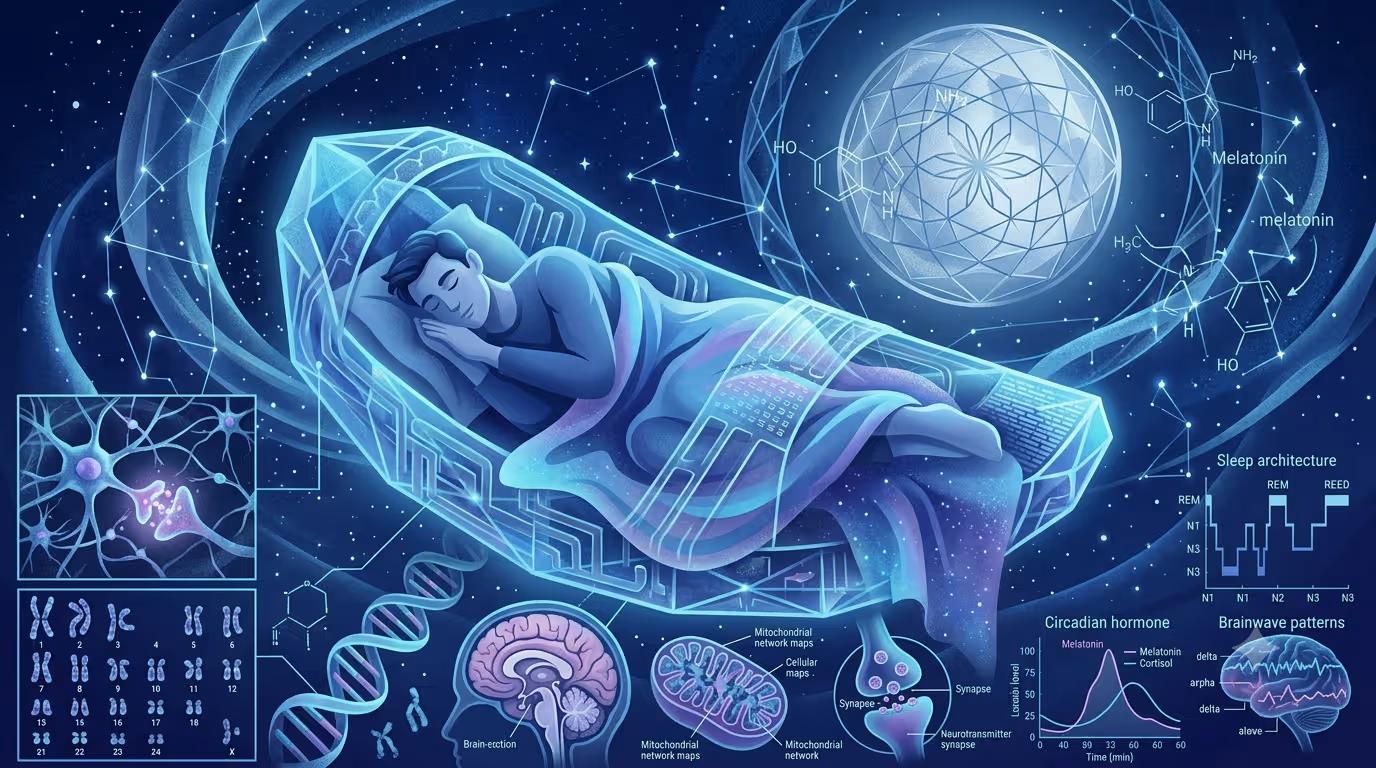
The relationship between sleep and mental health is not abstract. It’s grounded in identifiable biological systems that regulate mood, stress, and cognitive function.
Understanding these systems helps explain why sleep disruption can have such a powerfully negative emotional impact.
Neurotransmitters: The Brain’s Chemical Messengers
Several neurotransmitters involved in mental health are closely tied to sleep regulation.
- Serotonin influences mood stability and helps regulate sleep-wake cycles.
- Dopamine plays a role in motivation, reward, and attention.
- GABA (gamma-aminobutyric acid) helps calm neural activity and promotes sleep onset.
Sleep supports the balanced functioning of these chemical messengers. When sleep becomes irregular or insufficient, neurotransmitter systems can become dysregulated.
For example, reduced sleep has been associated with altered serotonin signaling, which is known to contribute to depressed mood. Disrupted dopamine activity typically affects motivation levels and emotional responsiveness. Lower GABA activity can increase nighttime hyperarousal.
Importantly, these shifts do not occur in isolation. They interact, shaping how the brain interprets and responds to emotional experiences.
Circadian Rhythms and Mood Regulation
Your circadian rhythm is an internal biological clock that regulates sleep timing, hormone release, body temperature, and energy levels. It operates on roughly a 24-hour cycle and is regulated by light exposure as well as behavioral cues like sleep-wake timing and activity patterns.
Circadian rhythms also affect mental health.
Research has shown that disruptions in circadian timing are linked to mood instability, particularly in conditions such as bipolar disorder and depression.
When sleep schedules become irregular—late nights, inconsistent wake times, frequent shifts—the circadian system can become misaligned. This misalignment affects mood-regulating brain regions and increases emotional volatility.
Regular sleep timing acts as an anchor for this system. Consistency supports both restorative sleep and, by extension, emotional steadiness.
Tracking sleep timing over several weeks—whether manually or using tools like BetterSleep’s circadian rhythm insights—makes these patterns more visible and easier to adjust.
The HPA Axis and Stress Response
The hypothalamic–pituitary–adrenal (HPA) axis governs the body’s stress response. When a threat is perceived, this system releases cortisol and other stress hormones to increase alertness and readiness.
Sleep and the HPA axis are closely intertwined.
Insufficient sleep can elevate baseline cortisol levels, particularly in the evening. Elevated cortisol makes it harder to enter deep sleep, which prevents the stress system from fully resetting. This feedback loop can perpetuate physiological stress and increase vulnerability to anxiety and depression.
Restorative sleep allows cortisol levels to follow a healthy rhythm—lower at night, rising naturally toward morning. When this pattern stabilizes, emotional resilience often improves.
Inflammation and Mental Health
Sleep deprivation also influences the immune system. Short or fragmented sleep increases inflammatory markers in the body.
Chronic low-grade inflammation has been associated with depression and other mental health conditions. While inflammation alone won’t cause mental health challenges, it can contribute to the biological environment in which they develop.
This connection helps explain why prolonged sleep disruption can have such wide-ranging effects; not just fatigue, but changes in mood and stress tolerance.
Neuroplasticity and Emotional Processing
Sleep plays a central role in neuroplasticity, the brain’s ability to adapt and reorganize. During certain sleep stages, neural connections are strengthened or pruned—a process in which less efficient connections are trimmed away based on recent experiences.
Dr. Matthew Walker has described sleep as a time when the brain refines emotional learning. During REM sleep, emotional memories are processed in a way that reduces their intensity while preserving their informational value.
When sleep is disrupted, this processing becomes less efficient. Emotional experiences may remain more reactive the following day, increasing stress sensitivity.
The takeaway from this science is not that sleep determines mental health on its own. Rather, sleep provides foundational support for the biological systems that regulate mood and stress. When that foundation weakens, emotional stability can become more fragile.
In the next section, we’ll move from understanding the mechanisms to concrete strategies—how to stabilize sleep timing, reduce nighttime arousal, and support emotional resilience in realistic, evidence-based ways.
How to Improve Both Sleep and Mental Health
Because sleep and mental health influence one another, strategies that strengthen one often benefit the other. Again, the goal here isn’t perfection. It’s consistency.
Below are evidence-based approaches you can follow that support both systems simultaneously.
1. Establish a Consistent Sleep Schedule
Going to bed and waking up at roughly the same time each day anchors your circadian rhythm. Consistency helps regulate hormone release, stabilize energy levels, and support emotional balance.
Irregular sleep timing can disrupt mood regulation, especially in people prone to anxiety or depression. Even small shifts, like staying up several hours later on weekends, can destabilize sleep patterns. Setting consistent sleep and wake reminders, whether through a calendar or tools like BetterSleep, help to reinforce long-term rhythm stability.
2. Strengthen Sleep Hygiene Habits
Sleep hygiene refers to environmental and behavioral factors that support restorative sleep.
Key elements include:
- Limiting bright light exposure before bed
- Keeping the bedroom cool and dark
- Avoiding large meals late at night
- Reducing evening exposure to bright screens
Improving sleep hygiene reduces unnecessary barriers to falling asleep. You can learn more about structured sleep hygiene principles in our detailed guide.
Small environmental changes often produce measurable improvements in sleep continuity and next-day mood.
3. Consider Cognitive Behavioral Therapy for Insomnia (CBT-I)
CBT-I is widely considered to be a first-line treatment for chronic insomnia. It works by addressing thought patterns and behaviors that contribute to ongoing sleep disruption.
Research shows that cognitive behavioral therapy for insomnia (CBT-I) produces durable, clinically meaningful improvements in sleep outcomes that can persist for months after treatment. Because sleep and mental health are so closely intertwined, these improvements often extend beyond sleep itself.
Dr. Michael Perlis has emphasized that improving sleep through behavioral strategies frequently leads to parallel improvements in mood symptoms. CBT-I does not rely on medication; instead, it rebuilds healthy sleep associations and reduces anxiety around sleep.
4. Use Relaxation Techniques Before Bed
Mental health challenges often involve elevated physiological arousal. Relaxation techniques reduce sympathetic nervous system activation and promote parasympathetic calm.
Options include:
- Slow breathing exercises
- Guided meditation
- Progressive muscle relaxation
- Gentle stretching
Structured audio sessions, such as guided breathing and meditation programs available in the BetterSleep app, help reinforce these relaxation responses before bed.
Regular practice, even 10 minutes nightly, can shift how the body responds at bedtime.
5. Exercise Regularly (With Thoughtful Timing)
Moderate exercise improves sleep quality and supports mental health by regulating stress hormones and neurotransmitter activity.
Exercise increases sleep drive and can reduce symptoms of anxiety and depression. However, intense exercise too close to bedtime could delay sleep onset for some individuals.
So, aim for consistency rather than intensity. Even daily walks are known to improve both sleep depth and mood stability.
6. Limit Alcohol and Caffeine
Caffeine can remain active in the body for six to eight hours or longer. Consuming it late in the day can reduce sleep depth and increase nighttime awakenings.
Alcohol may induce drowsiness initially but disrupts REM sleep later on in the night. Fragmented REM sleep can impair emotional processing and mood regulation.
Reducing reliance on these substances often improves both sleep continuity and emotional resilience.
7. Create a Predictable Wind-Down Routine
A consistent pre-sleep routine signals to the brain that sleep is approaching. This might include:
- Reading
- Listening to calming audio
- Taking a warm shower
- Using guided meditation to lower nighttime arousal
Audio-based routines—such as bedtime stories or calming soundscapes available through apps like BetterSleep—can also help create a predictable transition into rest.
The routine matters more than the specific activity. Repetition builds association.
8. Manage Stress During the Day
Daytime stress does not disappear at night. Unprocessed stress often surfaces when external distractions fade.
Practices such as journaling, planning the next day in advance, and brief mindfulness breaks during the day reduce the accumulation of unresolved stress.
Tracking mood and sleep patterns, whether manually or through tools like BetterSleep, can also make these connections more visible.
Managing stress proactively supports both mental health and nighttime rest.
9. Seek Therapy When Needed
If anxiety, depression, trauma-related symptoms, or persistent stress are interfering with daily functioning, psychotherapy can provide structured support.
Approaches such as cognitive behavioral therapy (CBT), trauma-focused therapy, or acceptance and commitment therapy (ACT) address underlying cognitive and emotional patterns that may be sustaining sleep disruption. In many cases, improving mental health through therapy also leads to improvements in sleep.
Sleep and mental health treatment are not competing approaches. They reinforce one another.
10. Track Patterns to Identify Triggers
One of the most practical steps you can take is observation. Tracking sleep duration, sleep quality, and mood fluctuations over several weeks can reveal patterns that might otherwise go unnoticed.
For example:
- Does reduced sleep precede mood dips?
- Does increased stress correlate with lighter sleep?
- Do certain behaviors improve sleep consistency?
Monitoring these patterns, whether in a notebook or through tools like BetterSleep’s sleep diary and analytics, should make trends easier to recognize. Once patterns become visible, adjustments can be more intentional rather than reactive.
Improving sleep and mental health rarely happens overnight. Progress tends to be gradual and cumulative. The goal isn’t to eliminate every difficult night but to strengthen the systems that support emotional balance over time.
In the next section, we’ll discuss when professional help may be necessary—and how to identify indicators that further evaluation may be helpful.
When to Seek Professional Help
Sleep challenges and mental health concerns are common, particularly during periods of prolonged stress or life transition. Many people experience temporary disruptions that resolve with time and support. However, there are times when professional guidance becomes important.
Recognizing those moments is not a sign of weakness. It’s a sign of self-awareness.
Consider Seeking Help If:
Sleep problems persist for more than a few weeks.If insomnia, frequent awakenings, or excessive daytime sleepiness continue for three weeks or longer, it may be time to consult a healthcare professional. Chronic sleep disruption can begin to affect concentration, mood, and overall functioning in your daily life.
Anxiety or depression symptoms are worsening.If you notice persistent sadness, a loss of interest in activities, ongoing worry, or escalating emotional distress, a professional evaluation can help determine whether a clinical condition is present and outline appropriate treatment options.
You experience significant daytime impairment.Difficulty focusing at work, increased irritability in relationships, or reduced ability to complete daily tasks may indicate that sleep or mental health challenges require structured support.
Nightmares or trauma-related symptoms interfere with rest.Frequent distressing dreams, hypervigilance, or fear of sleeping can benefit from trauma-informed therapy.
You rely on alcohol or substances to fall asleep.Using alcohol or other substances to manage sleep can create additional health risks and often worsens long-term sleep quality.
You notice signs of sleep apnea.Loud snoring, gasping during sleep, or persistent daytime fatigue despite adequate time in bed may indicate a sleep disorder requiring medical evaluation.
Seek Immediate Help If:
If you are experiencing thoughts of harming yourself, feeling hopeless about the future, or struggling to stay safe, immediate support is critical.
In the United States, you can call or text 988, the Suicide & Crisis Lifeline.You can also text HOME to 741741 to reach the Crisis Text Line.
If you are outside the U.S., contact your local emergency services or a national mental health hotline in your country.
These resources are confidential and available to you 24/7.
What Kind of Professional Should You See?
Depending on your primary concern, different providers may be helpful:
- Primary care physician — initial screening and referrals
- Licensed therapist or psychologist — treatment for anxiety, depression, trauma, and insomnia
- Psychiatrist — evaluation for medication when appropriate
- Sleep specialist — assessment for insomnia, sleep apnea, or circadian disorders
In many cases, integrated care works best. Addressing sleep and mental health together often produces stronger outcomes than treating them separately.
Bringing structured information to an appointment can be helpful. BetterSleep’s sleep diary can provide valuable data on sleep timing, duration, and perceived quality—information that supports more accurate evaluation.
Dr. Raj Dasgupta, a board-certified sleep medicine specialist and Associate Professor of Clinical Medicine at the University of Southern California, emphasizes that both sleep problems and mental health challenges are highly treatable. “No one needs to struggle in isolation,” he notes.
Professional help is not a last resort. It’s simply one of many tools available to support recovery and stability.
Frequently Asked Questions
1. Can lack of sleep cause mental health problems?
Yes. Chronic lack of sleep increases the risk of developing mental health challenges like anxiety and depression. Research shows that persistent insomnia can precede depressive episodes and heighten emotional reactivity.
While occasional short nights are common, ongoing sleep deprivation can reduce emotional regulation and stress tolerance. Tracking both sleep and mood patterns—using a journal or the BetterSleep app—can help identify early warning signs.
2. How much sleep do I need for good mental health?
Most adults need between 7 and 9 hours of sleep per night. However, duration is only part of the picture. Sleep quality matters just as much. Deep sleep and REM sleep support emotional processing and stress recovery, helping the brain recalibrate after daily challenges. Consistency is also important. Going to bed and waking up at roughly the same time each day strengthens circadian rhythms, which help stabilize mood and energy levels.
3. Can improving sleep cure depression or anxiety?
Improving sleep can significantly reduce symptoms of depression and anxiety, but it’s not a standalone cure. Sleep is just one component of mental health treatment. Therapy, lifestyle changes, and, when appropriate, medication may also be necessary. Addressing sleep often enhances the effectiveness of broader mental health care.
4. Why can’t I sleep when I’m anxious?
Anxiety activates the body’s stress response, increasing heart rate, alertness, and mental activity. This state of hyperarousal makes it difficult to transition into sleep. Racing thoughts and worry can delay sleep onset. Relaxation strategies, structured wind-down routines, and guided meditation can all help to lower nighttime arousal.
5. Is insomnia a mental health disorder?
Insomnia can exist on its own as a sleep disorder, but it also frequently appears alongside conditions such as anxiety and depression. In some cases, sleep difficulty is one of the earliest warning signs of emotional strain. The encouraging news is that insomnia is highly treatable. Cognitive behavioral therapy for insomnia (CBT-I) is widely recommended as a first-line treatment and has been shown to improve sleep whether insomnia occurs independently or alongside other mental health conditions.
6. Can medication for mental health affect my sleep?
Yes. Some medications used to treat mental health conditions can influence how you sleep. Certain antidepressants may alter REM sleep, while stimulant medications can delay sleep onset if taken too late in the day. In some cases, medications may initially disrupt sleep before the body adjusts. If you notice changes in your sleep after starting or adjusting medication, speak with your healthcare provider. It’s important not to stop or modify medication without professional guidance.
7. How long does it take for better sleep to improve mental health?
Improvements can begin within a few weeks of stabilizing sleep, especially when changes are consistent. Many people notice better mood regulation and improved stress tolerance within two to four weeks. That said, the timeline varies depending on individual circumstances and the severity of symptoms. Sustainable progress usually depends on ongoing habits rather than short-term adjustments. Tracking patterns over time—whether manually or using tools like BetterSleep’s analytics—can help make gradual improvements more visible.
8. Can sleep apnea cause depression?
Research suggests that untreated sleep apnea is associated with a higher risk of depressive symptoms. Repeated breathing interruptions fragment sleep and lower oxygen levels, which can affect mood, concentration, and energy. The encouraging news is that treating sleep apnea—often with CPAP therapy or other interventions—frequently leads to improvements in both sleep quality and emotional wellbeing. If symptoms such as loud snoring or daytime exhaustion are present, evaluation by a sleep specialist may be helpful.
9. Is it normal to have nightmares when stressed?
Yes. Stress can increase dream intensity and make nightmares more frequent. Occasional stress-related dreams are common and often resolve as stress decreases. However, if nightmares become frequent, highly distressing, or begin interfering with sleep quality, additional support may be beneficial—particularly if they are related to trauma. Persistent sleep disruption is a sign that further evaluation could help.
10. Should I see a therapist or a sleep specialist?
The answer depends on which symptoms feel most prominent. If emotional distress, anxiety, or depression are central concerns, starting with a licensed therapist or psychologist may be appropriate. If sleep symptoms are more dominant—such as loud snoring, breathing pauses, or chronic insomnia—a sleep specialist can evaluate underlying causes. In many cases, coordinated care between providers offers the most comprehensive and effective support.
Conclusion: Breaking the Cycle
Sleep and mental health are not separate systems competing for attention. They are interconnected processes that influence one another continuously. When sleep becomes disrupted, emotional resilience can weaken. As mental health challenges intensify, sleep often becomes more fragile. This bidirectional relationship can develop into a self-reinforcing cycle.
But loops can be interrupted.
Understanding the connection between sleep and mental health changes how we approach both. Sleep is not a luxury reserved for when life is calm. It is foundational infrastructure for emotional regulation, stress recovery, and cognitive clarity. Likewise, supporting mental health is not secondary to improving sleep. It’s part of stabilizing the entire system.
Small, consistent changes often have cumulative effects. Regular sleep timing strengthens circadian rhythms. Relaxation practices reduce nighttime hyperarousal. Therapy can reshape thought patterns that interfere with rest. Addressing underlying anxiety or depression can gradually restore healthier sleep architecture.
Progress rarely happens in a straight line. There may still be difficult nights to contend with. There may be periods when stress increases or routines shift. What matters most is direction, not perfection.
Dr. Wendy Troxel has noted that investing in sleep is an investment in mental health. The relationship works both ways: strengthening one supports the other.
Tracking patterns can provide clarity. Noticing that several short nights correspond with lower mood or higher stress allows you to make more informed adjustments. Tools that organize sleep and mood data—such as those available within BetterSleep—can help make these patterns easier to recognize.
If sleep challenges persist or emotional distress begins to feel overwhelming, professional support is available. Both sleep disorders and mental health conditions are treatable. Reaching out for help is a practical step toward stability.
The most important takeaway from this guide is this: you are not imagining the connection between sleep and mental health. The science confirms it. And because the connection is real, meaningful change is possible.
Start with one consistent habit. Protect your sleep window. Lower stimulation before bed. Track patterns. Don’t be shy to seek professional guidance if additional support becomes necessary.
Improving sleep and mental health isn’t about quick fixes. It’s about reinforcing the systems that allow your brain and body to regulate emotion, recover from stress, and function at their best.
When you support your sleep, you support your mental health. And when you care for your mental health, you strengthen your sleep.
Medical Disclaimer
This article is for informational purposes only and does not constitute medical advice, diagnosis, or treatment. Always seek the guidance of a qualified healthcare provider with any questions you may have regarding a medical or mental health condition. Never disregard professional advice or delay seeking care because of something you have read in this article.