Depression and Sleep: Breaking the Vicious Cycle
The relationship between depression and sleep is a bidirectional, vicious cycle: depression disrupts sleep architecture, and poor sleep worsens mood. This is because depression alters key mood-regulating neurotransmitters that also control the sleep-wake cycle, leading to issues like insomnia or hypersomnia (oversleeping). The resulting sleep deprivation increases fatigue, emotional reactivity, and stress hormones, further intensifying depressive symptoms. Understanding this connection is the first step toward implementing strategies, such as CBT-I, to break the cycle and improve both sleep and mental health.
Introduction
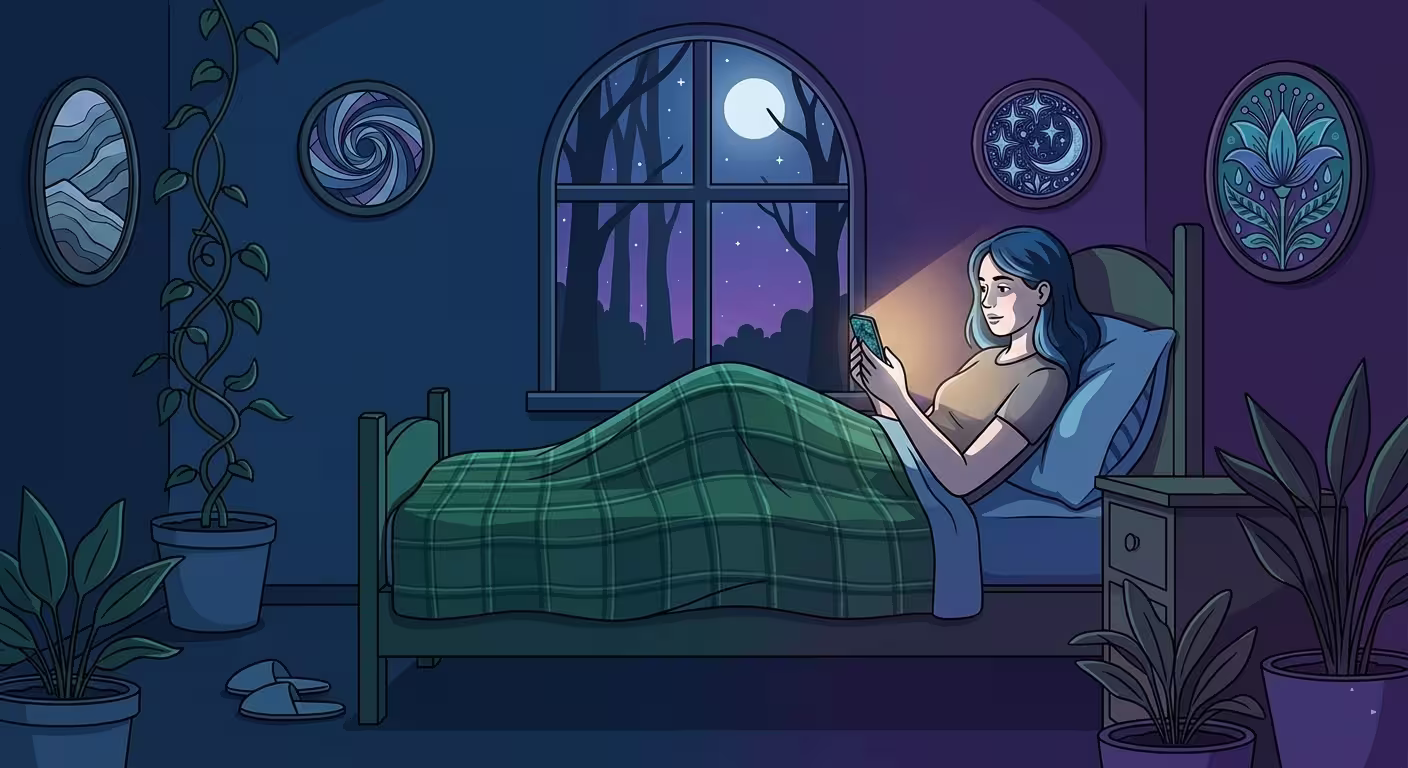
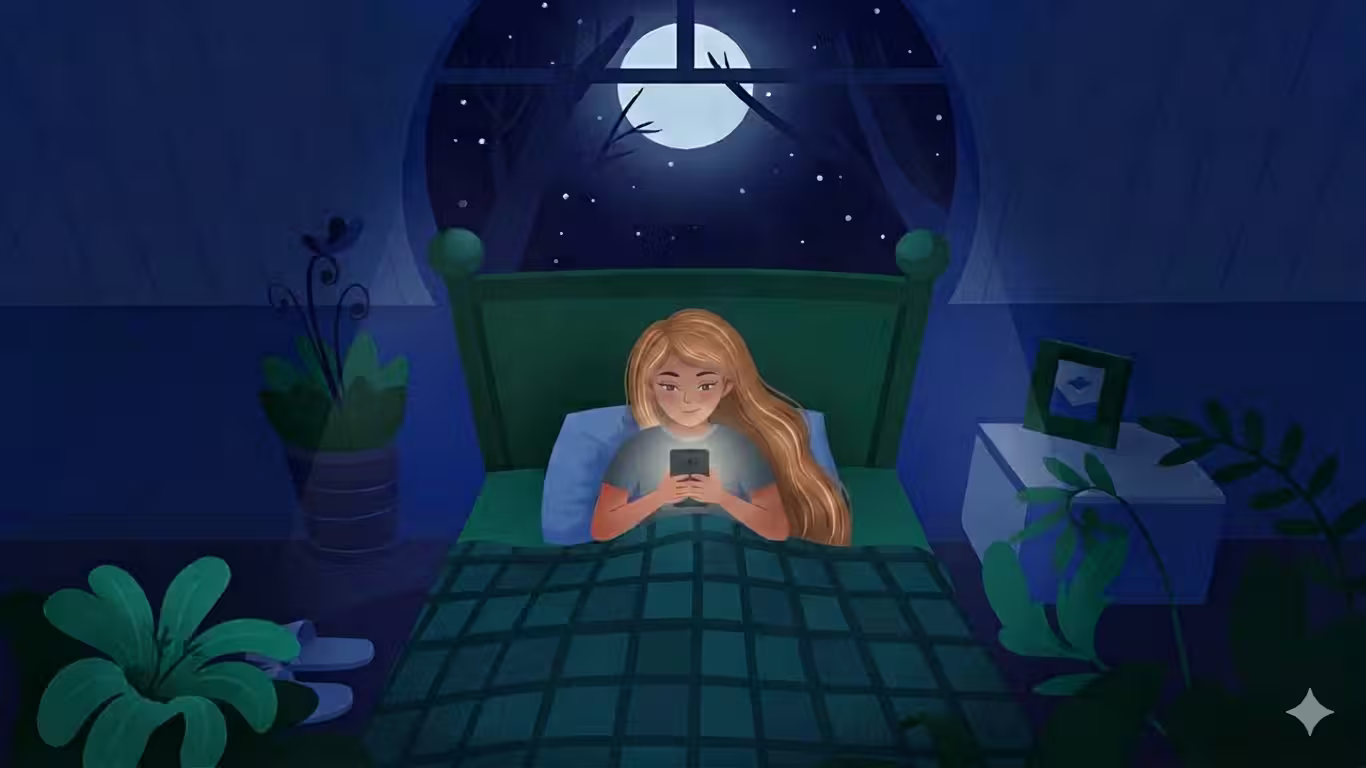
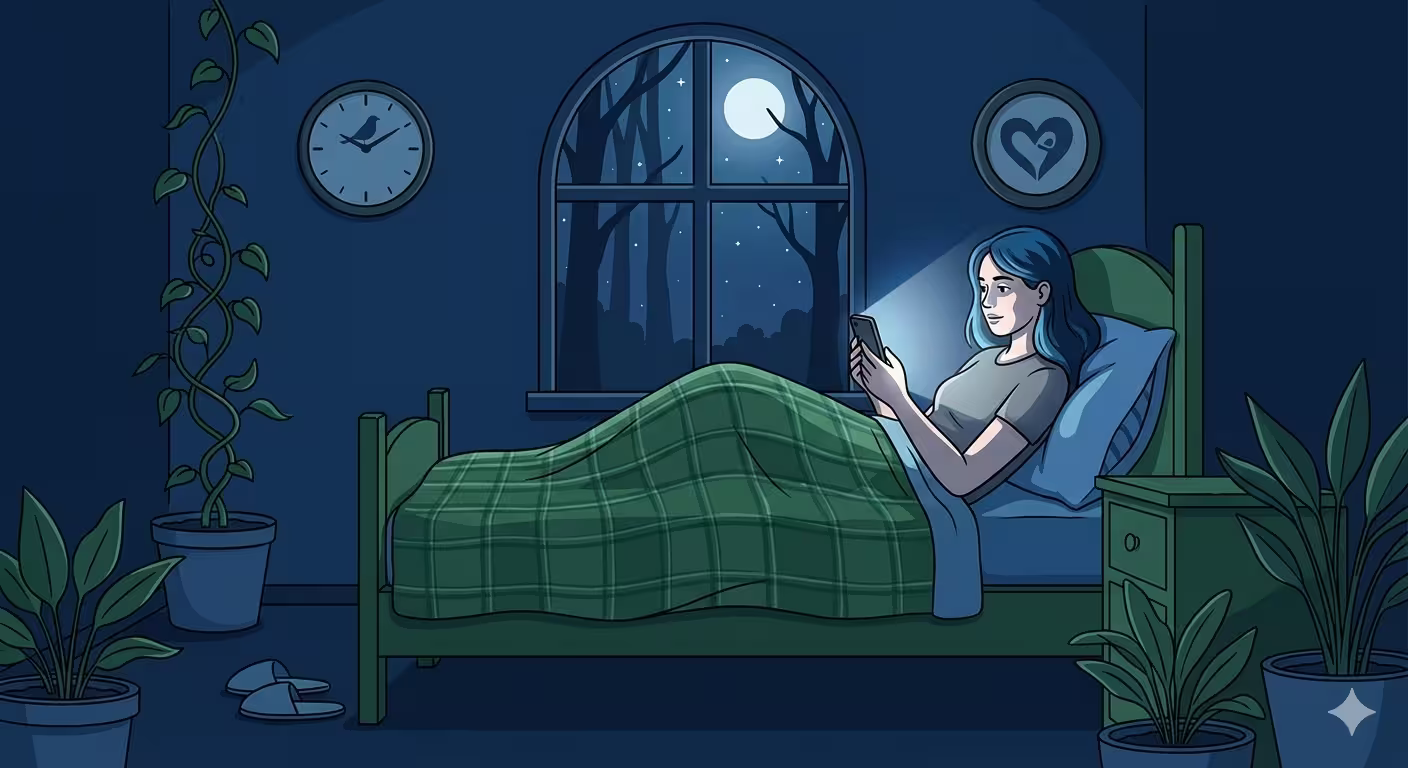
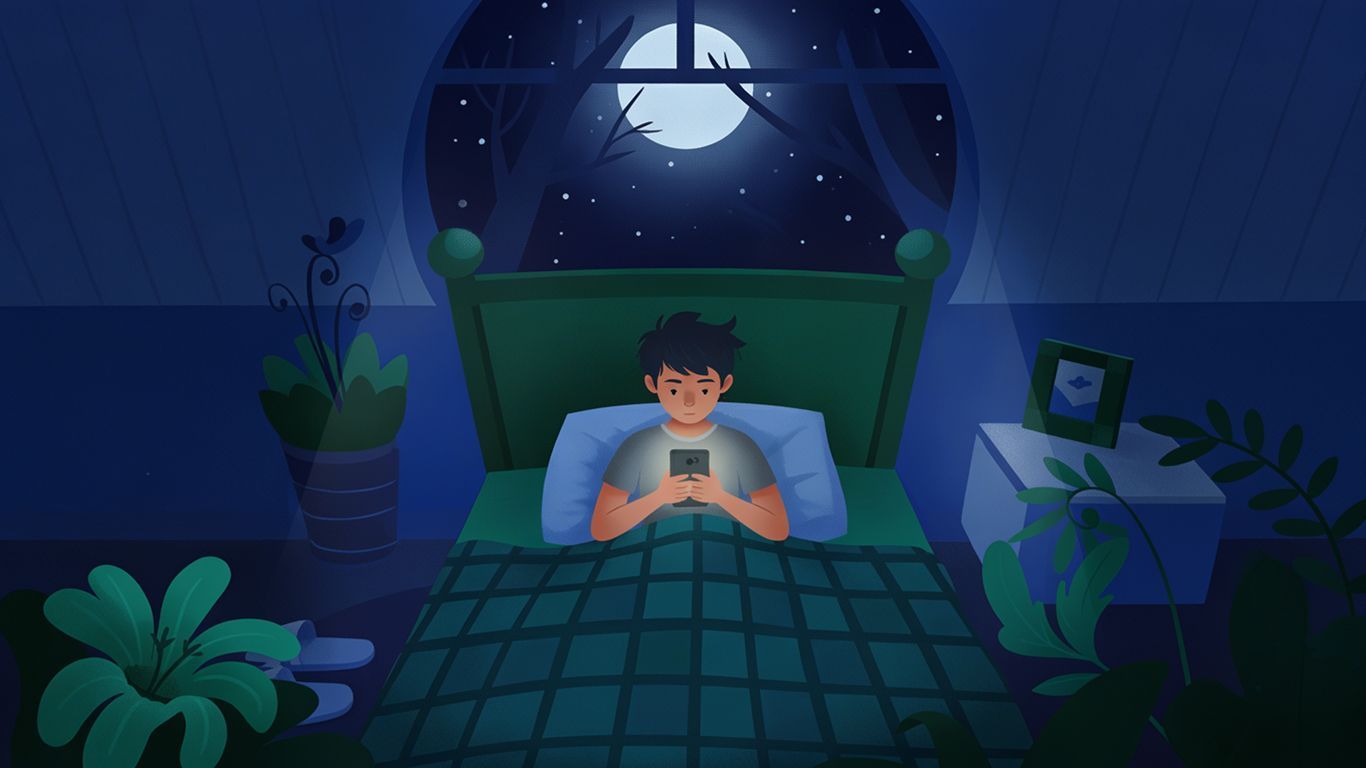
There’s a certain kind of exhaustion that comes with depression. It’s not just tiredness, but rather a heaviness that seeps into your mornings, afternoons, and well after the sun goes down. Sleep should be the one place where your mind can retreat. But when depression comes into the picture, even that last bastion of peace and tranquility tends to disappear. Your nights stretch on, seemingly endless, your morning arrives too soon, and you start feeling like your mind and body are permanently out of sync. It wears you down in a way that’s hard to explain to anyone who hasn’t been there.
But…this nasty experience is far more common than most people realize. Research has found that depression and sleep problems don’t just happen side by side; instead, they actually drive one another. When your sleep starts to break down, your mood is likely to follow. And once your mood sinks low enough, your sleep becomes even harder to regulate. It’s a vicious circle that might feel impossible to step out of once it’s gained enough momentum.That’s because depression and sleep constantly influence one another in ways that are both biological and behavioral.
Research has shown that sleep and depression are so tightly connected that changes in one almost always influence the other
But here’s a little good news: understanding this connection helps give you some power over it. Once you grasp how depression reshapes your sleep patterns and how disrupted sleep typically intensifies depressive symptoms, you can start breaking the cycle from both sides.
Large mental-health surveys tend to show the same thing over and over again: the ‘top three symptoms’ of depression almost always include persistent low mood, loss of interest or pleasure, and changes in sleep. That means either sleeping too little, or far too much. That last observation is especially important, because sleep isn’t just a byproduct of depression. It’s a central part of how the condition shows up in your body.
“Sleep and depression interact in a way that is deeply circular. Disrupted sleep fuels low mood, and low mood fragments sleep. You cannot fully treat one without addressing the other.” — Dr. Matthew Walker, PhD, Professor of Neuroscience, UC Berkeley
In the following article, we’re going to unpack that relationship — not with vague advice or simplistic ‘sleep tips,’ but with evidence-based explanations and practical tools you can actually use. As in tonight! We’ll start by breaking down the science of why depression disrupts sleep and how the lack of proper rest intensifies emotional distress. From there, you’ll learn the differences between insomnia and hypersomnia in depression, how to retrain your sleep system using CBT-I techniques, and which lifestyle and clinical strategies can help you restore some balance.
Along the way, we’ll also show you how the BetterSleep app helps you track your sleep patterns, better understand your nightly rhythms, and provide you with practical methods to let you build a personalized routine that will support both your sleep and your mood.
As much as anything though, this article is here to reassure you that: no, you’re not imagining it, you’re not failing, and you’re certainly not alone.
😵💫 The Bidirectional Relationship: A Vicious Cycle
When people talk about depression and sleep, they’re usually describing two deeply connected systems that continuously influence each other. Depression and disrupted sleep aren’t separate problems that just happen to show up at the same time. They’re part of the same biological loop; one that can spiral quickly if you don’t understand what’s happening beneath the surface.
“When depression alters sleep architecture, particularly REM sleep, the brain loses its ability to regulate emotion overnight. That sets up a self-reinforcing cycle.” — Dr. Daniel Buysse, MD, Professor of Psychiatry, University of Pittsburgh
Chronic sleep loss doesn’t just make you tired — it increases your vulnerability to depression over time. When sleep breaks down, mood regulation breaks down with it. And once your mood sinks, your sleep becomes even more fragile. It becomes an ongoing loop that’s difficult to escape without understanding what drives it.
To understand why this loop is so persistent, it helps to look at the biology beneath it, starting with the brain chemicals that regulate both mood and sleep.
🧠 The Neurotransmitter Overlap
The systems that regulate sleep are the same systems that regulate mood. Serotonin, norepinephrine, and dopamine — the brain’s key mood-related chemicals — also control the sleep–wake cycle. When depression shifts these neurotransmitters out of balance, your sleep architecture changes right along with them, making everything feel unsettled and harder to regulate.
- Serotonin influences deep sleep and REM cycles.
- Norepinephrine stabilizes wakefulness and alertness.
- Dopamine affects motivation in the daytime and sleep regulation at night.
When these systems become dysregulated, the brain has trouble maintaining a steady rhythm. Your nights get lighter, choppier, more fragmented. Mornings feel like you’re wading through mud. You feel tired and unmotivated throughout the day. And no wonder! Few things are as important to your health and well-being than consistent, restful sleep.
🔥 HPA Axis Overdrive and Stress Hormones
Another major component in this cycle is what’s known as the HPA axis, aka the body’s central stress-response system. When you’re in a state of depression, this axis can easily shift into a state of chronic alertness, pushing out higher-than-normal levels of cortisol.
Elevated nighttime cortisol makes it harder to both fall asleep and stay asleep. It also pulls you abruptly out of deeper stages of sleep, leaving you stuck in more shallow layers where your rest is far less restorative.
That’s one reason why so many people experiencing depression describe themselves as feeling mentally wired but physically exhausted. It’s because your nervous system is pressing the accelerator and the brake at the same time.
⏰ Circadian Rhythm Disruption
Your body follows a 24-hour internal clock, anchored by light exposure, habits, and hormonal rhythms. Depression throws this clock out of sync, a phenomenon researchers call circadian misalignment.
As such you might experience:
- Trouble falling asleep at a regular time
- Waking up too early in the morning
- Sleeping in much later than usual
- Feeling wired and alert at night but sluggish in the morning
When your circadian system loses coherence, the timing of your sleep becomes inconsistent, and inconsistent sleep further destabilizes your mood. It’s a loop that only worsens the more irregular your rhythms become.

🔬 Inflammation: The Hidden Link
While it may not sound intuitive, inflammation plays a central role in the story. Both sleep deprivation and depression increase levels of inflammatory markers like IL-6 and C-reactive protein.
This inflammation affects:
- Mood regulation
- Your energy levels
- Your ability to think clearly
- Motivation
- Feeling easily triggered with strong emotional reactions
Put another way, poor sleep doesn’t just make you tired, it changes how your brain processes emotion the next day. Which directly answers a question many people ask:
“Can lack of sleep cause you to be more emotional?”
Yes — and in many cases, it doesn’t just worsen existing depression but can actually contribute to its development. When sleep becomes chronically disrupted, the brain’s emotional centers grow more reactive, stress hormones rise, and resilience drops. Over time, this combination increases vulnerability to low mood and depressive symptoms.
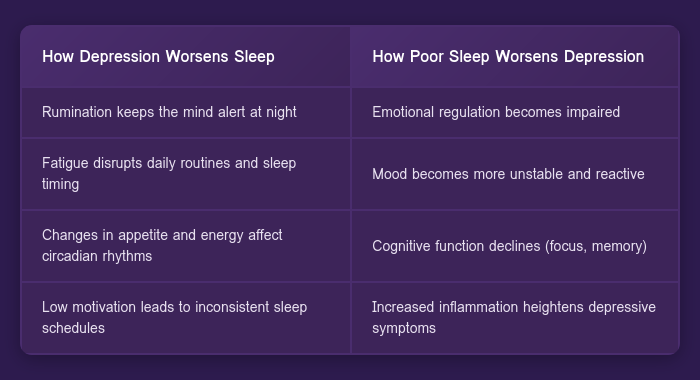
🔄 The Cycle in Action: How Each Side Worsens the Other
To make this relationship easy to see at a glance, here’s a simple breakdown:
How Depression and Poor Sleep Feed Each Other
❤️ Why This Feels So Hard — And Why It’s Not Your Fault
Once this loop kicks in, it can often feel like you’re wrestling with two fronts at once: your mood throughout the day, and then your sleep at night. Some people blame themselves, thinking they’re “not trying hard enough” or “should just be able to sleep at night.” But that’s not fair. In reality, sleep and depression interact in ways that would challenge anyone, regardless of willpower. Biology tells a different story. The cycle is real, measurable, and completely understandable.
This is where awareness becomes a powerful tool.
By mapping out your sleep patterns, you can see exactly where the loop is catching you — whether it’s trouble falling asleep, waking up throughout the night, oversleeping, or a mix of everything. A sleep tracker can help you spot patterns you may not notice on your own.
🧑🔬 Expert Insight
As sleep researcher Dr. Daniel Buysse says,
“Depression disrupts sleep architecture, particularly REM sleep. That fragmented sleep then impairs the brain’s ability to process emotions overnight. It’s a self-perpetuating cycle.”
That one sentence captures the heart of this section: your brain needs consolidated sleep to regulate emotion, and depression disrupts the very system designed to help you heal.
Insomnia vs. Hypersomnia – The Two Faces of Depression’s Sleep Impact
Of course not everyone suffering depression has the same sleep problem. For some, their nights are endless, restless, and disrupted by constant awakenings. For others, the urge to sleep feels almost overwhelming. They might sleep for 10 or 12 hours and still wake up exhausted. Both patterns are deeply tied to depression, and both can be misunderstood by the people around you (and even you, yourself).
Understanding the difference between insomnia and hypersomnia in depression will help you make sense of what your body is doing, and why it’s not quite as simple as “just getting more sleep” or “trying to go to bed earlier.”
How Many Hours of Sleep Does a Depressed Person Need?
In theory, most adults function best with somewhere between 7–9 hours of sleep per night. Except when depression is weighed into the equation, this guideline gets a little more complicated.
Some people wrestling with depression struggle to get even 5–6 hours of poor, broken sleep at night. Others regularly sleep 10-plus hours and still feel depleted the next day. The key is not just how many hours you sleep, but what that sleep looks like internally, meaning its depth, timing, and continuity.
Research consistently shows that sleep changes are core symptoms of depression, not just side notes. Whether your sleep is too short or too long, the underlying issue is usually that the brain’s sleep architecture has been disrupted by the illness itself.
So the real questions become:
- Are you having trouble falling asleep, staying asleep, or waking up at a consistent hour?
- Do you feel rested after sleep, or drained?
- Is your sleep pattern making it harder for you to function, maintain relationships, or follow through on therapy, medication, or other parts of your treatment plan?
Tracking these patterns over a couple of weeks — using any sleep or mood journal — will give you and your clinician a clearer picture.
Insomnia in Depression: The Anxious, “Too-Loud” Mind
Insomnia is more common than hypersomnia (oversleeping) when experiencing depression, affecting roughly three out of four people with depressive episodes. It usually shows up in three main ways:
- Difficulty falling asleep (sleep onset insomnia):You go to bed tired, but your mind won’t switch off. Your thoughts race. You replay certain conversations over and over, worry about the future, or feel a vague but very real sense of dread. Half an hour passes, then an hour, then even more time passes when all you want to do is finally get some decent rest.
- Waking up repeatedly during the night (sleep maintenance insomnia):You might fall asleep just fine, but your nights are full of brief awakenings. You check the clock, roll over, think “not again,” and feel your frustration rising. Maybe you fall back asleep again quickly, maybe not.
- Early-morning awakening:You wake up at 4 or 5 a.m. and can’t get back to sleep, even though your body feels drained.
Researchers describe this as being in a state of hyperarousal: your nervous system is stuck in a slightly “revved up” mode, even though you’re mentally and physically exhausted. Depression and anxiety blend together here, making it difficult for the brain to transition into the deeper, more restorative stages of sleep that you need.
Hypersomnia in Depression: The Urge to Escape
On the other side of the spectrum is hypersomnia, meaning sleeping much longer than usual, often 10 hours or more, yet still feeling unrefreshed when you finally get up. This pattern is especially common in atypical depression and in younger adults.
Hypersomnia most certainly isn’t just “being lazy” or “unmotivated.” This is why clinicians sometimes refer to the phenomenon as depression sleeping too much, a pattern marked by long hours in bed that still don’t result in real rest. It’s usually a sign of:
- Profound fatigue
- Low physical and mental energy
- A desire to withdraw from a world that feels too overwhelming and/or painful
Many people experiencing “depression sleeping too much” describe it as a heavy, almost magnetic pull toward the bed, even when the sleep itself isn’t restorative.
Is Sleeping Too Much a Side Effect of Depression?
Yes, for many people, sleeping too much is often a direct symptom of depression. Changes in neurotransmitters, circadian rhythms, and inflammatory pathways all push the brain toward longer sleep times and an increased feeling of sleepiness during the day.
However, “a lot of sleep” doesn’t necessarily translate into good sleep. People with depression-related hypersomnia often report:
- Waking up feeling heavy and mentally foggy
- Needing to take naps during the day
- Struggling to get out of bed, even when they’ve technically slept enough hours
This is why simply counting sleep hours doesn’t tell the whole story. You can be over-sleeping and under-resting at the same time.
REM Sleep Abnormalities: When the Brain Jumps Ahead
One of the most consistent findings in depression research is a change in REM sleep (the stage associated with dreaming and emotional processing). People with depression typically:
- Enter REM sleep more quickly after falling asleep (reduced REM latency)
- Spend more time in REM overall
- Experience more intense, fragmented REM activity
On the surface, this might just sound like “extra dream time,” but in reality it usually leads to:
- More vivid, often disturbing dreams
- Frequent awakenings around or after dream periods
- A feeling of never quite sinking into the deep, restorative sleep that you need.
Because REM is so closely tied to how the brain processes emotional memories, disrupted REM can contribute to the persistent emotional pain and reactivity seen in people suffering depression.
Non-Restorative Sleep: Too Little, Too Much, and Still Exhausted
Many people don’t realize just how intertwined depression and sleep really are until their nights begin to feel unpredictable and unrefreshing. Regardless of whether you’re dealing with insomnia or hypersomnia, one common theme in depression is non-restorative sleep, meaning sleep that doesn’t leave you feeling refreshed, because the deeper, restorative stages have been disrupted.
So, you might:
- Log 8–9 hours of sleep in your journal but still feel like you’ve barely rested
- Wake up achy, mentally foggy, or emotionally delicate.
- Notice that even the smallest tasks feel like you’re climbing Mount Everest.
This is where tracking your own sleep patterns becomes incredibly useful. It helps you notice things like:
- “How long am I actually sleeping?”
- “How often am I waking up?”
- “Does my mood change on days after better or worse sleep?”
With time, you’ll start to see patterns emerge. Perhaps your mood always sours after nights of frequent awakenings, or you notice that sleeping in past a certain time makes you feel worse rather than better. That kind of pattern gives you and your clinician something concrete to work with when you’re trying to break the cycle.
Expert Perspective: Two Sides of the Same Coin
As sleep researcher Dr. Aric Prather explains:
“Insomnia is often driven by hyperarousal — the mind is too ‘loud’ to sleep. Hypersomnia, on the other hand, is often a sign of profound anhedonia and fatigue; it’s less about rest and more about withdrawal from a world that feels painful.”
Both patterns are valid, real, and deserve attention. Neither means you’re weak, lazy, or not taking care of yourself well enough. Rather, they simply reflect different ways the brain and body respond to the heavy weight of clinical depression. It most certainly is not your ‘fault’.
Behavioral & Cognitive Strategies (CBT-I)
If you’ve ever struggled with sleep during periods of depression, you’ve probably been given advice like “why don’t you just go to bed earlier,” or “drink some herbal tea,” or “just relax a little.” While sure, these suggestions might be well-intentioned, they rarely work because they don’t address the underlying mechanisms driving insomnia. For people dealing with persistent sleep issues, especially those tied to depression, one approach stands above the rest in scientific evidence: Cognitive Behavioral Therapy for Insomnia (CBT-I).
CBT-I is a structured, research-supported method that retrains both your mind and body to sleep more efficiently. Most major sleep organizations consider it the first-line treatment for chronic insomnia.
Depression complicates sleep in multiple ways — racing thoughts, altered sleep rhythms, emotional hyperarousal, and disruptions in daily structure. Because depression and sleep influence each other so strongly, CBT-I helps address both sides of the cycle and gives you tools to break the pattern.
Let’s walk through the core components together — and more importantly, how you can actually apply them in real life.
What Exactly Is CBT-I?
CBT-I is a structured therapy approach that focuses on the behaviors, thoughts, and habits influencing your ability to sleep. Instead of relying on sedatives or various “tricks,” it works on the deeper systems, both psychological and physiological, that maintain insomnia.
The therapy typically includes:
- Behavioral techniques that recondition your brain to associate bed with sleep
- Cognitive techniques that address anxieties and distorted beliefs about sleep
- Lifestyle and environmental changes that reduce sleep-disrupting cues
One profound thing about CBT-I is that it doesn’t just help you sleep better, it makes you less afraid of bedtime. That alone breaks a huge part of the insomnia cycle, especially for those who dread going to bed because they “know” they won’t sleep.
As Dr. Shelby Harris, PsyD, puts it:
“CBT-I is about changing your relationship with sleep. It empowers you to break the cycle of anxiety about sleep — often the very thing keeping you awake.”
The goal isn’t about perfection. It’s about consistency, predictability, and gradually rebuilding your natural sleep drive.
Component 1: Stimulus Control Therapy
(The backbone of CBT-I)
When sleep becomes difficult, people often find themselves spending more time in bed, lying there thinking, worrying, or scrolling through their screens. With time, the brain stops associating bed with sleep and starts pairing it with wakefulness, frustration, and overthinking.
Stimulus Control Therapy reverses this association.
Key Principles
These are the cornerstone rules to follow:
- Only go to bed when you’re sleepy, not just tired.Sleepiness is physical (heavy eyes, head nodding).Tiredness is emotional (exhausted but wired).Depression often creates a feeling of constant tiredness without real sleepiness.
- If you can’t fall asleep within 20 minutes or less, get out of bed.Don’t lie there stressing out. Move to another dim, quiet room and do something neutral like reading, listening to soft music, or stretching.Return to bed only when you’re sleepy again.
- Only use your bed for sleep and intimacy.No email, no TikTok, no doom-scrolling, no eating, no TV or streaming. The human brain forms associations quickly and the only association you want with yours is “bed = sleep”.
- Wake up at the same time every day, no matter what.Depression often pushes you to sleep in late or just stay under the covers come morning. This rule helps rebuild your circadian rhythm.
- Avoid napping if possible.If you absolutely must nap, keep it to under 20 minutes and only before 3 p.m.
Why It Works
Stimulus Control is powerful because it rewires the association between bed and wakefulness. Over days and weeks, this reshapes your brain’s sleep cues so that getting into bed naturally triggers sleepiness again.
Try using a consistent wake-up alarm to anchor your circadian rhythm each morning — even after a rough night. Consistency matters more than the specific tool you use.
Component 2: Sleep Restriction Therapy
(Counterintuitive — and extremely effective)
Sleep Restriction Therapy often intimidates people when they first hear about it, because it sounds like the opposite of what someone with depression and sleep problems should do. But it’s one of the most evidence-supported techniques in CBT-I.
How It WorksYou start by tracking your sleep for 1–2 weeks to determine how much you’re actually sleeping. Then your “time in bed” is temporarily limited to roughly that number.
For example, if you spend 8 hours in bed but sleep only 5, your new sleep window becomes about 5 -- 5.5 hours. This builds sleep pressure — the natural biological drive that helps you fall asleep faster and stay asleep longer. As your sleep becomes more consolidated, the window is gradually expanded in 15–20 minute increments.
Why It WorksPeople experiencing depression often spend long periods in bed, fall asleep irregularly, or wake up frequently throughout the night. Reducing time in bed helps:
- Strengthen the circadian rhythm
- Reduce nighttime wakefulness
- Improve sleep depth and continuity
- Raise overall sleep efficiency
Safety NoteSleep Restriction can be challenging and should be done with clinical guidance if you have bipolar disorder, epilepsy, or other medical conditions.
Component 3: Cognitive Restructuring
(Addressing the “mental noise” of insomnia)
For many people, the thoughts surrounding sleep become just as disruptive as the sleep problem itself. Depression amplifies negative thinking, and insomnia turns bedtime into a pressure-filled moment where you brace for another difficult night.
Cognitive Restructuring helps break this cycle by teaching you to examine, and soften, those nasty thoughts that keep you awake at night.
The Process
- Identify unhelpful thoughtsNotice fear-based bedtime narratives such as “If I don’t sleep tonight, tomorrow will be a disaster.”
- Evaluate their accuracyAsk whether these thoughts are absolute truths or emotional predictions.
- Replace them with balanced alternativesFor example: “I might feel tired tomorrow, but I’ve handled tired days before.”
- Practice neutrality rather than forced positivity The goal is realism, not perfection.
Why this matters: rumination is a core feature of depression, and once that mental wheel starts spinning at night, sleep becomes almost impossible. Reducing cognitive pressure helps your tired brain transition into rest more naturally.
Component 4: Relaxation Training
(Teaching the nervous system how to “let go” again)
Depression often creates a strange mix of exhaustion and tension. You feel drained, but your body can’t quite settle. Relaxation techniques help retrain the nervous system to downshift and prepare for sleep.
Evidence-Based Methods
- Deep diaphragmatic breathing Slows the heart rate and decreases sympathetic nervous system activity.
- Progressive Muscle Relaxation (PMR) Tensing and releasing muscle groups helps you identify — and release — hidden tension.
- Guided imagery Directing your focus toward a calming scene quiets intrusive thoughts.
- Body scans Gradually shifting attention through the body reduces mental noise and anchors you in the present moment.
None of these techniques “force” sleep, but they reliably lower physiological arousal — one of the biggest obstacles when depression and sleep problems overlap. Many people find structured audio guidance (breathing exercises, PMR, calming soundscapes) makes these practices easier to follow and repeat consistently.
Component 5: Sleep Hygiene — The Foundation Layer
Sleep hygiene isn’t the whole solution, but it does form the base on which CBT-I rests. Think of it as setting the stage so your brain has the best chance to sleep.
Core Sleep Hygiene Practices
- Keep your bedroom cool, dark, and quiet
- Avoid screens 60–90 minutes before bedtime
- Limit caffeine after early afternoon
- Avoid alcohol near bedtime (it fragments sleep)
- Try to keep meals light in the evening.
- Move your body during the day
- Anchor your wake-up times consistently
- Use light exposure to your advantage (bright in the morning, dim in the evening)
Why It Matters
Sleep hygiene on its own rarely cures insomnia altogether, but it does enhance the effectiveness of CBT-I. For people suffering depression, these habits help stabilize daily structure, something depression can easily knock off track.
Why CBT-I Is So Effective for People with Depression
CBT-I doesn’t just treat insomnia; it also:
- Reduces rumination
- Improves daytime energy
- Stabilizes circadian rhythms
- Enhances emotional regulation
- Improves depression severity directly
To this end, studies have shown that treating insomnia can improve depression outcomes more than medication alone.
Expert Perspective
As one leading sleep psychologist explains:
“CBT-I doesn’t teach you how to force sleep. It teaches you how to create the conditions where sleep returns naturally — reliably, night after night.”
It’s a set of skills you build over time, not a quick fix. The more you practice them, the more your sleep starts to feel like something you can work with again. For anyone struggling with depression, this approach should feel like finally receiving a map for a maze you’ve been wandering around in for years.
Lifestyle Interventions: Diet, Exercise, and Light Exposure
Lifestyle changes can feel frustratingly inadequate when you’re dealing with depression, but they influence far more than motivation — they affect your nervous system, circadian rhythm, neurotransmitters, and sleep architecture. The goal here isn’t perfection, but small, realistic adjustments that help stabilize your daily rhythms.
Exercise: A Natural Antidepressant and Sleep Regulator
You don’t need intense workouts to see benefits. Research shows that regular physical activity:
- lowers cortisol
- reduces inflammation
- improves deep (slow-wave) sleep
- increases serotonin
- helps anchor the circadian rhythm
Gentle movement is enough: walking, light cycling, yoga, stretching, tai chi, or brief strength work. Even 10–15 minutes can improve mood and reduce sleep fragmentation.
Timing matters: exercise is most helpful in the morning or afternoon. Avoid high-intensity workouts within 2–3 hours of bedtime, since they can raise alertness and core body temperature.
Diet: Feeding the Brain for Better Mood and Sleep
Depression often disrupts appetite, which destabilizes energy and sleep. Aim for steady, nourishing meals:
- regular eating times
- protein at breakfast
- complex carbohydrates for steadier energy
- omega-3 sources (fish, nuts, seeds)
- magnesium-rich foods (leafy greens, beans, nuts)
A Mediterranean-style pattern naturally reduces inflammation and supports mood regulation.
Reduce caffeine after early afternoon, limit late-night heavy meals, and be cautious with alcohol, which fragments sleep even if it makes you feel drowsy at first.
Light Exposure: One of the Most Powerful Tools
Light is the master regulator of your circadian rhythm, and depression often disrupts this system.
Morning sunlight: Aim for 10–15 minutes outdoors within an hour of waking. It boosts serotonin, increases daytime alertness, and helps your brain reset its schedule.
Evening light: Keep lights dim and reduce screen exposure in the hour before bed to support natural melatonin release.
Even modest improvements in movement, nutrition, and light can create meaningful changes in both mood and sleep.
Clinical & Therapeutic Interventions
For many people, lifestyle adjustments and CBT-I strategies create noticeable improvements in both mood and sleep. But depression-related sleep problems can be stubborn, especially during moderate or severe episodes. When symptoms interfere with your daily functioning, or when sleep remains disrupted despite undergoing behavioral changes, it’s important to consider clinical treatment options. These aren’t signs of failure, rather, they’re clear signs you’re taking your mental health seriously.
Professional care will aim to address the deeper biological, psychological, and circadian mechanisms that depression has disrupted. Below is a clear, compassionate overview of the main treatment pathways, and how each one interacts with sleep.
Psychotherapy: Treating the Root Causes of Depression
Therapy isn’t just for crisis moments. It helps reorganize the thoughts, behaviors, and emotional patterns that drive depression, many of which also impact your sleep.
Common Therapies That Help With Both Mood and Sleep
- Cognitive Behavioral Therapy (CBT):Helps identify and shift negative thought patterns, cognitive distortions, and the hopeless beliefs that drive both depression and insomnia.
- Dialectical Behavior Therapy (DBT):This is particularly useful when mood swings, emotional reactivity, or self-harm urges are part of the picture. DBT improves emotional regulation, which often leads to more stable sleep rhythms.
- Interpersonal Therapy (IPT):IPT focuses on relationships, life transitions, grief, and role changes. Emotional stress from these areas frequently exacerbates insomnia or hypersomnia.
Therapy alone likely won’t instantly fix your sleep problems, but as your mood stabilizes and coping skills improve, sleep typically follows.
Antidepressant Medications: A Personalized Approach
Medications are an essential part of recovery for many people. However, antidepressants vary widely in how they interact with sleep. Some are activating, others are sedating, and some have a more neutral effect.
Sedating Antidepressants
Doctors often prescribe these medications when depression includes significant insomnia, agitation, or anxiety:
- Mirtazapine
- Trazodone
- Low-dose doxepin
These drugs are well-known to help reduce sleep-onset difficulties and nighttime awakenings. But they must always be used under medical supervision, as they sometimes lead to morning grogginess and might come with other undesirable side-effects.
Activating Antidepressants
These may be preferred for people with hypersomnia or overwhelming daytime fatigue:
- Bupropion
- Certain SSRIs/SNRIs depending on dose and timing
These medications can improve energy and motivation, which indirectly helps regulate sleep-wake cycles.
Which Antidepressant Is “Best” for Sleep?
There is no universal answer to this question, the right choice depends on your symptoms, underlying health, and treatment history. As Dr. David Nutt explains:
“The choice of an antidepressant is highly personalized. For a patient with severe insomnia and weight loss, a sedating antidepressant like mirtazapine might be considered. For a patient with hypersomnia and fatigue, a more activating one like bupropion might be chosen.”
This is why medication decisions must be made with a doctor, not through trial and error alone.
Sleep Medications: Short-Term, Not Long-Term
Prescription sleep aids (like zolpidem/Ambien or eszopiclone/Lunesta) can help break a cycle of acute insomnia. They are known to be stabilizing during major depressive episodes, especially when anxiety is particularly high.
Important Considerations
- They are generally recommended for short-term use only
- They do not treat the cause of insomnia
- Some can lead to tolerance or dependence
- They might alter sleep architecture in subtle ways
These medications can definitely be helpful tools, but they work best when paired with CBT-I, not as stand-alone solutions.
Light Therapy: Especially Effective for Seasonal Depression
Light therapy is one of the most scientifically supported non-pharmaceutical treatments for:
- Seasonal Affective Disorder (SAD)
- Circadian rhythm disorders
- Some forms of depression with hypersomnia and delayed sleep phase
How It Works
Exposure to bright, full-spectrum light shortly after waking:
- Increases serotonin
- Suppresses melatonin during the daytime
- Resets the internal circadian clock
- Improves energy and mood
- Helps regulate sleep timing
This intervention is particularly helpful when depression causes:
- Oversleeping
- Difficulty waking
- Low energy in the morning
- A shifted (late) sleep schedule
Tracking Symptoms During Treatment
Medication and therapy are optimal when you can observe how symptoms evolve over time. That’s where consistent tracking becomes invaluable.
Tracking Tip:
A simple sleep and mood log can help your doctor understand how symptoms evolve over time. So, track your:
- Sleep quality
- Nighttime awakenings
- Daytime fatigue
- Mood fluctuations
- Side effects from new medications
Sharing these patterns with your doctor could dramatically improve their treatment decisions.
The Bottom Line
Clinical interventions are not a last resort. They're a sign of strength, clarity, and commitment to healing. Depression is a medical condition that affects sleep through biology, psychology, and daily routine. Addressing those layers with professional guidance can create profound improvements in both mood and rest.
Building Your Anti-Depression Sleep Hygiene Routine
Sleep hygiene often gets dismissed as a collection of “simple tips,” but when you’re dealing with depression, structure becomes medicine. Depression disrupts daily rhythms — when you eat, move, think, rest, and sleep. A consistent bedtime routine helps rebuild the scaffolding your body relies on to regulate your mood and energy levels. Think of it as resetting the internal signals your brain uses to decide when it’s time to wind down.
The goal isn’t to perform a perfect ritual. It’s to create a repeatable sequence of small cues that tell your nervous system, “Okay, we’re shifting into rest now.” With time, those cues become powerful, almost like muscle memory for sleep.
This routine is built around the idea of a 60-minute wind-down window. Each phase gradually lowers cognitive load, physical tension, and sensory stimulation.
The Wind-Down Hour: A Gentle Descent Into Rest
The last hour before bed should be your buffer zone, separating your waking life from your sleep life. Depression blurs boundaries, making days feel heavy and nights feel restless. This routine draws a clear line between those boundaries.
Step 1: 60–45 Minutes Before Bed — Dim and Decompress
Start by lowering stimulation:
- Dim the lights to cue your brain that nighttime has arrived
- Reduce noise and movement in your environment
- Finish some light chores: wash a few dishes, set out your clothes for tomorrow, prepare your morning essentials, etc.
- Turn off all bright screens; if you absolutely must use devices, be sure to switch on their warm, low-light modes
This step signals the beginning of the transition from “doing” mode to “unwinding” mode. Depression often makes simple decisions feel overwhelming. Having this structured starting point takes the guesswork out of winding down.
Step 2: 45–20 Minutes Before Bed — Gentle, Low-Effort Activities
The goal here is to shift into calm, predictable routines:
- Take a warm shower or bath
- Stretch lightly or practice simple mobility exercises
- Read a physical (print) book
- Tidy a small area. Not a full, heavy duty cleaning, just some light organization
These low key, low stress activities help you to bridge the gap between the outside world and your internal one. They work to soften your mind and soothe your body without demanding any significant mental strain.
Step 3: 20–0 Minutes Before Bed — Relaxation and Release
This is the quietest part of your wind-down hour, where you give your mind and body full permission to finally let go and leave the day behind you.
You can try:
- Light journaling (focus on the thoughts that you want to release, not necessarily solve at this hour of the day)
- Deep, slow breathing techniques
- Some gentle meditation or appreciation-based reflection
- Listening to calming audio or soft soundscapes
This phase helps counter the mental hyperactivity that typically accompanies depression at night: all the rumination, the replaying, the worrying, the stress.
The Most Important Principle: Consistency Over Perfection
A powerful wind-down routine is not about doing every step flawlessly. It’s about doing something, however small, every night of the week. Depression thrives in irregularity. Sleep thrives in rhythm.
Consistency helps:
- Stabilize your circadian rhythm
- Reduce nighttime anxiety
- Lower your stress hormones
- Improve the onset of sleep and sleep depth
- Build psychological associations between your routine and restfulness
Try thinking of your bedtime routine as emotional scaffolding. Even on difficult days (in fact, especially on difficult days) just beginning the sequence can make sleep more attainable.
Breaking the Cycle, One Night at a Time
Sleep hygiene won’t instantly cure depression or eliminate insomnia, but it creates the foundation that makes all other interventions work better. When your mind and body learn to anticipate rest, nights become less daunting and mornings more manageable.
It’s less about ‘self-care’ as a buzzword and more about giving your brain a predictable script to follow at the end of the day. Over weeks and months, these small nightly rituals will play a meaningful role in lifting your mood, easing anxiety, and gently pulling you out of the depression–insomnia cycle.
FAQ
People living with depression and sleep disturbance often have very specific, very real questions — especially when symptoms don’t behave in predictable ways. This FAQ section addresses the most common concerns with care, clarity, and evidence-based guidance.
Will my sleep go back to normal after my depression is treated?
For many people, yes, but not always immediately. Sleep and depression are deeply intertwined, and when mood improves, the systems that regulate sleep usually begin to stabilize as well.
However, some individuals experience lingering sleep issues even after their depressive symptoms ease. This isn’t a sign that you’re “still depressed”. Rather, it’s usually because your sleep habits, stress-response system, or circadian rhythm need more time to re-regulate.
It helps to think of recovery in phases:
- Mood lifts first
- Energy slowly improves
- Sleep consistency returns over weeks or months
Using a simple sleep tracker helps you see these small improvements.
Can sleep apnea cause or worsen depression?
Absolutely. Sleep apnea and depression are strongly linked, and the connection works both ways. With obstructive sleep apnea (OSA), the airway repeatedly closes during sleep, causing:
- Drops in oxygen
- Micro-awakenings
- Fragmented, shallow sleep
- Morning headaches and fatigue
- Cognitive fog
- Mood instability
This repeated disruption places stress on the brain and body and raises the risk of depressive symptoms, even in people with no prior history of mood disorders. Researchers consistently find that sleep apnea and depression frequently co-occur, each one intensifying the impact of the other.
If you snore loudly, gasp for air in your sleep, wake up choking, or feel chronically exhausted even after long nights of sleep, talk to a doctor. Some apps offer sleep-recording features that capture nighttime sounds you can share with your clinician.
Why do I feel so tired even after sleeping for 10-plus hours?
Oversleeping doesn’t always mean you’re getting restorative rest. In depression, especially atypical depression, many people experience hypersomnia, which feels like:
- Sleeping long hours
- Waking up groggy and unfocused
- Needing naps
- Feeling “heavy” or depleted
- Having trouble getting out of bed
This is often caused by:
- Altered REM sleep patterns
- Changes in neurotransmitters
- Increased inflammation
- Low daytime activity
- Circadian disruption
Think of it as “too much but not enough”. Sure, you’re sleeping a lot, but the quality of that sleep is poor. That’s why sleep hours alone don’t tell the full story. For many, this pattern aligns with what’s often described as depression sleeping too much — long sleep windows without restorative depth.
Tracking your sleep timing, awakenings, and energy levels with BetterSleep can help you and your clinician see whether your long nights are masking disrupted sleep architecture.
Is it safe to take melatonin with antidepressants?
Sometimes, but it depends on the medication, dose, and your individual health. Melatonin is generally considered safe, but certain interactions can occur, especially with:
- SSRIs
- SNRIs
- TCAs
Melatonin also affects circadian timing, which can be helpful or disruptive depending on when you take it.
Important:
Always consult your doctor before combining melatonin with antidepressants.This is one area where professional guidance really matters.
If your doctor approves melatonin, they will typically recommend:
- Low doses (0.3–1 mg)
- Taken 1–2 hours before bed
- Short-term use unless otherwise directed
A simple sleep journal helps you track how melatonin affects your sleep so you can report accurately to your clinician.
What’s the one thing I can do tonight to sleep better?
If you want one single, high-impact action, this is it:
Set a consistent wake-up time — and stick to it.
Even on weekends. Even after a rough night.
A stable wake-up time:
- Anchors your circadian rhythm
- Increases sleep pressure for the next night
- Reduces nighttime awakenings
- Improves mood stability
- Helps regulate hormones tied to depression and sleep
It’s deceptively simple, but for many people it’s the most powerful weapon in their arsenal for improving sleep.
Pair this with 10–15 minutes of morning light exposure, and you have a deeply effective foundation for improving sleep and mood.
How do I know if it’s just a bad mood or actual depression?
Everyone has difficult days — sadness, fatigue, stress — but depression involves a specific cluster of symptoms that persist and interfere with functioning.
Common markers of depression include:
- Persistent sadness or emptiness
- Loss of interest or pleasure in usual activities
- Changes in appetite
- Sleep disturbances (insomnia or hypersomnia)
- Fatigue
- Difficulty concentrating
- Feelings of worthlessness or guilt
- Thoughts of self-harm or suicide
If these symptoms last longer than two weeks, or if they significantly impair your ability to function, it’s important to seek professional help.
A doctor, therapist, or psychiatrist can provide a proper assessment. Early support can often make a profound difference.
Mood-tracking tools can help you monitor patterns over time so you can discuss them more clearly with a clinician.
Conclusion
Depression and disrupted sleep might feel like a loop with no clear entry or exit point, consisting of long nights, heavy mornings, and days that all seem to blend together. Understanding the relationship between depression and sleep gives you a clearer sense of why the cycle feels so persistent — and how to interrupt it. Sleep changes aren’t just symptoms of depression; they’re a core part of how the condition affects your mind and body.
Throughout this guide, you’ve learned how depression reshapes sleep architecture, affects the circadian rhythm, alters neurotransmitters, and shifts the nervous system into patterns that make rest difficult. You’ve also seen how poor sleep, in turn, intensifies emotional reactivity, increases rumination, and deepens fatigue. Yes, it’s a cycle all right, but one that can be interrupted.
CBT-I techniques, lifestyle adjustments, clinical interventions, and supportive tools all work together to help regulate sleep and improve mood. These are changes you can build gradually, at your own pace. Each small step — be that a consistent wake-up time, a nightly wind-down routine, or some morning light, gentle movement — creates momentum.
If you recognize the symptoms described in this article, or if your sleep continues to feel unmanageable, it’s important to reach out to a doctor or mental health professional. Depression is a medical condition, not a personal failing, and treatment can mean a world of difference to your well-being and happiness.
And while you seek support, you can use sleep-tracking or wind-down tools to help stabilize your routine and support your sleep.
Remember, you’re not alone in this. With knowledge, support, and the right strategies, better sleep and brighter days are absolutely within your reach.