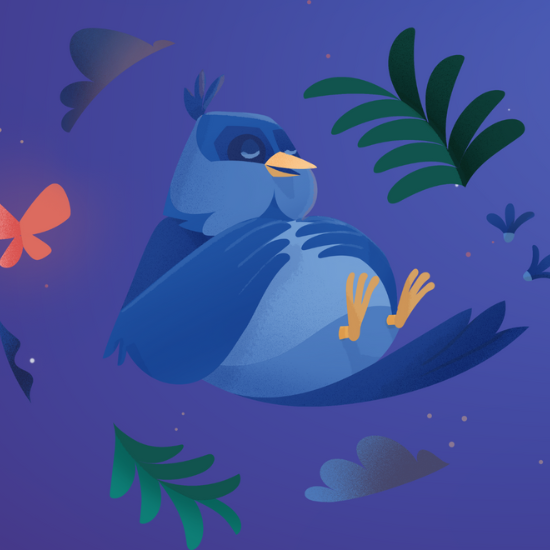
Chronotypes: Chickadee
Some people can start their day feeling refreshed after a good night’s sleep. Others may need a little extra push to start their morning, feeling a bit more tired because they are more productive later in the day.
Are you a night owl or an early bird? Understanding your chronotype could be a key factor in determining the best time for you to go to bed, wake up, and work on your most difficult tasks of the day. Your chronotype represents your body’s tendency to want to go to sleep at a certain time during the 24-hour window of your circadian rhythm.
In this article, we’ll discuss the Chickadee chronotype and how chronotypes affect your sleep, and how to determine which animal chronotype you are. Keep reading to learn more.
What is a chronotype?
Your chronotype is how your body naturally responds to being asleep or waking up at certain times of the day. Your chronotype also plays a major role in your body’s natural sleep system, called circadian rhythms. The circadian rhythm, also known as the body’s internal clock, is the natural process your body goes through to prepare for rest. This includes increased melatonin production, relaxing your mind and thoughts, going to bed early or late, and other things.
Factors That Can Influence Your Chronotype
Scientists believe that geographical location may influence chronotypes. This may be due to different daylight hours. The sun plays a major role in the time the body naturally wakes up. Most people produce the least amount of melatonin when the sun is up. At night, melatonin production increases after the sun go down. This is what makes you naturally fall asleep at night. Dark rooms can also promote relaxation and help you fall asleep as well.
While geographical locations and lighting may affect your chronotype, genetics and age are the biggest factors, according to researchers.
Your Sleep Schedule and Genetics
Genetics can play a significant role in the sleep patterns of each individual. Genetics are also responsible for about 80% of your sleep-related behaviors. Not only do they determine the best time for you to go to sleep and wake up, but they also affect how much sleep your body requires for you to feel well-rested.
Age and Chronotype
Your sleep chronotype is not fixed. This can change as you age. Your chronotype from when you were younger to being older can be on opposite sides of the spectrum. Studies show that the older an individual gets, the less likely they are to see variability in their chronotype possibilities. Adolescents and young adults may be able to see this in their sleep patterns.
Why It’s Important to Know Your Chronotype
Knowing your chronotype can help you create a schedule that better fits your biological needs for sleep. Different chronotypes feel more productive at certain hours of the day. They may also have the urge to sleep and wake up at different hours in comparison to others.
Chickadees tend to be up and about at the crack of dawn because they go to bed earlier. Owls are the complete opposite and probably don’t want to be bothered with anything so early in the morning. Regardless of your chronotype, working against your body’s natural structure can be difficult.
Understanding this and learning it can help you take advantage of the situation and leverage the times you are most energetic. It may also allow you to follow a schedule that helps you operate at your very best. With all the different chronotype animals that are possibilities, it’s essential to know how to determine your specific one. Generally, with a little self-awareness and answering some questions, you should be able to pinpoint your chronotype.
Which Chronotype Are You?
To figure out what your specific chronotype is, you need to ask yourself what time your body naturally wakes itself up and what time you like to go to sleep. You can find this out by ditching the alarm. On a day you’re able to sleep at whatever time, turn off your alarm clock and see when your body naturally wakes itself up. It may take a few trial days to completely assess whether you are a morning person or not, but this discovery can help you in the long run.
Chickadee Chronotype
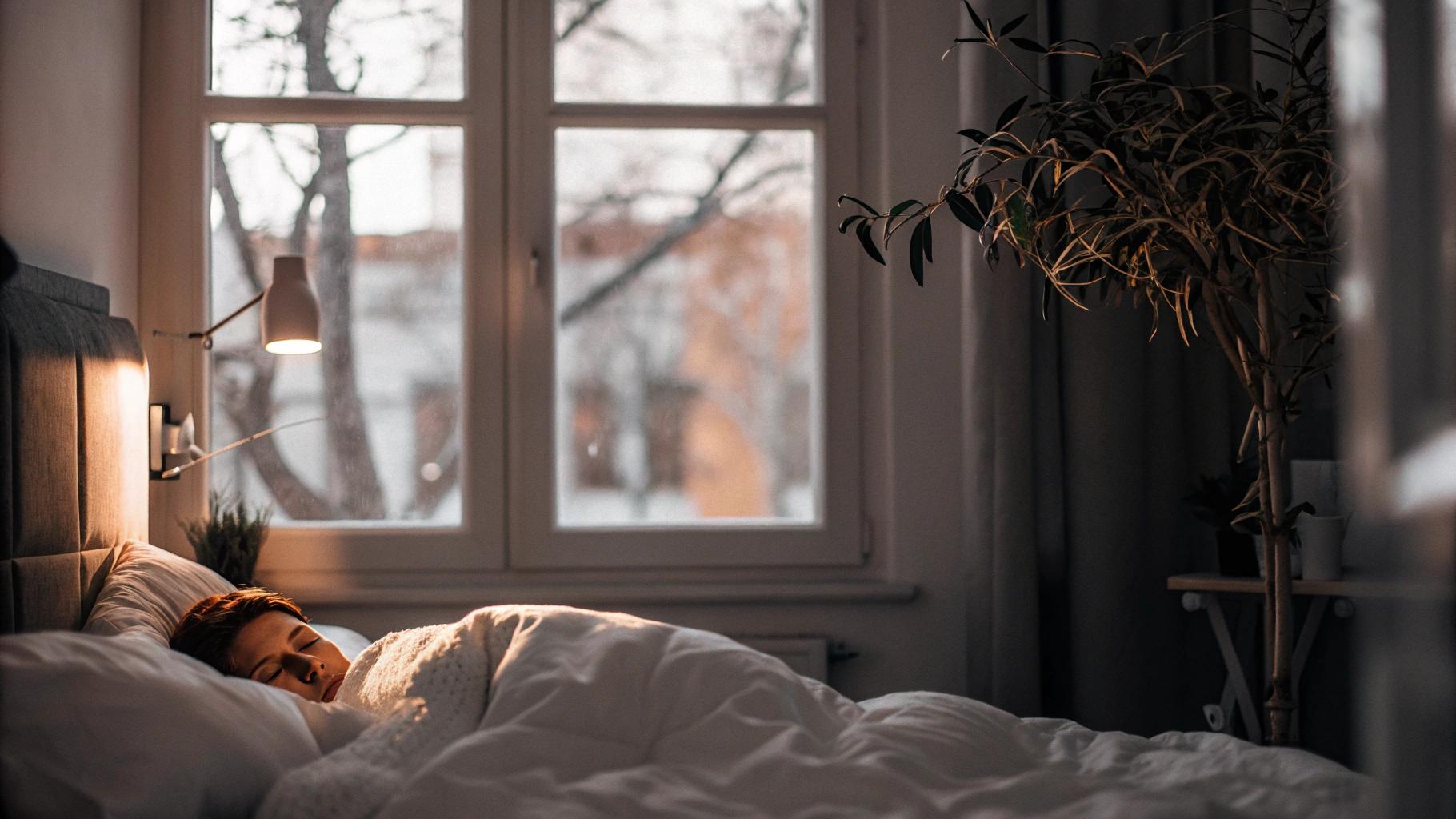
If you are a chickadee chronotype, you are most productive in the morning. Some people with this chronotype may sometimes even wake up before sunrise. Some characteristics of early risers are:
- Going to bed early
- Waking up early
- Having difficulty staying up late
- Being most energetic in the morning and energy fades as the day progresses
It’s easier for people with this chronotype to function in society because of the work hours that are given. The negative side to this chronotype is the lack of social life that it may create. If you are a morning lark, you may find yourself having social jet lag after a short evening with friends.
It’s best for those who fall under the Chickadee chronotype to get most of their necessary tasks done early in the morning. This is when they’re most sharp, energetic, and productive. But as the sun sets and nightfall comes, it’s usually difficult for them to stay awake.
Get BetterSleep
Regardless of your chronotype, there are steps you can take to have better sleep at night. There are habits you can form that can help you adjust to the sleep pattern that your lifestyle requires.
The BetterSleep app provides plenty of resources for people to get a better night’s rest, including relaxation meditations, soothing sounds, and more.