Perimenopause Insomnia: Why You Can't Sleep & What Helps
Perimenopause insomnia refers to sleep disruptions caused by fluctuating estrogen and progesterone levels during the menopausal transition. Research shows 26% of women experience severe sleep symptoms during this time, often characterized by nighttime awakenings and hot flashes. Core treatments include Cognitive Behavioral Therapy for Insomnia (CBT-I), mindfulness meditation, sleep hygiene optimization, and in some cases, hormone replacement therapy.
Perimenopause insomnia refers to sleep disruptions caused by fluctuating estrogen and progesterone levels during the menopausal transition.
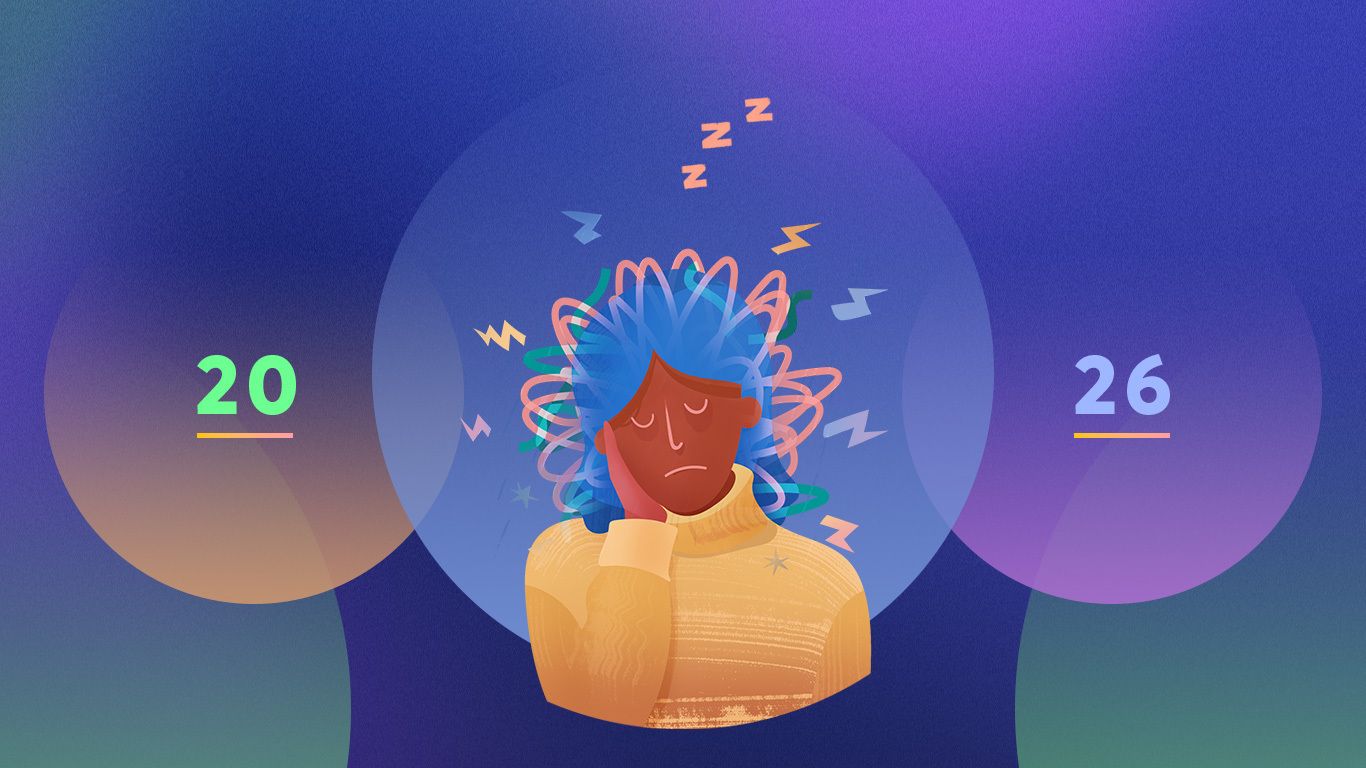
Research shows 26% of women experience severe sleep symptoms during this time, often characterized by nighttime awakenings and hot flashes.
Core treatments include Cognitive Behavioral Therapy for Insomnia (CBT-I), mindfulness meditation, sleep hygiene optimization, and in some cases, hormone replacement therapy.
Studies indicate that non-pharmacological approaches like mindfulness can significantly improve sleep quality. If symptoms persist and impact daily functioning, consult a healthcare provider. BetterSleep offers specialized guided meditations and CBT-I techniques to help manage hormonal sleep disruptions.
Introduction: Understanding Perimenopause Sleep Problems
If you’re in your 40s or early 50s and suddenly struggling to sleep, you’re not imagining it—and you’re far from alone. Perimenopause insomnia is one of the most common (and frustrating) symptoms of the menopausal transition.
Perimenopause typically begins in a woman’s mid-to-late 40s, though it can start earlier. During this time, hormone levels begin to fluctuate unpredictably, leading to a wide range of symptoms—including significant sleep disruption.
Beyond hormones, it’s also important to recognize how perimenopause sleep problems interact with everyday life. Many women in this stage are balancing demanding careers, caregiving responsibilities, and shifting emotional landscapes. These pressures can amplify sleep disruption, creating a feedback loop where poor sleep increases stress, and stress further disrupts sleep.
This is one reason perimenopause insomnia often feels more intense than earlier sleep issues. It’s not just biological—it’s layered.
BetterSleep can be especially helpful here because it doesn’t just address sleep itself. It also supports stress reduction through guided breathing, relaxing soundscapes, and short meditations that can be used even on busy evenings when a full wind-down routine isn’t realistic.
Research shows that up to 26% of women experience severe sleep symptoms during perimenopause. These perimenopause sleep problems often show up as difficulty falling asleep, frequent waking, or waking too early and being unable to return to sleep.
“Sleep disturbance is one of the most prevalent complaints during the menopausal transition, particularly due to increased nighttime awakenings and fragmentation.”Dr. Kathryn Lee, Professor Emerita at UCSF School of Nursing
What makes hormonal insomnia particularly challenging is that it’s not just “stress” or “bad habits”—it’s rooted in real biological changes.
The good news: while perimenopause insomnia is common, it is also highly manageable. With the right tools, from behavioral strategies to targeted relaxation techniques, you can improve sleep quality significantly.
Apps like BetterSleep can help bridge the gap by offering structured support through guided meditations, breathing exercises, and CBT-I–inspired programs designed specifically for disrupted sleep.
The Science: How Hormones Disrupt Your Sleep
To understand menopause insomnia, it helps to look at what’s happening beneath the surface, specifically how estrogen and progesterone interact with your brain and body.
Estrogen: The Sleep Stabilizer
Estrogen plays a critical role in regulating sleep. It helps:
- Maintain stable body temperature
- Support serotonin production (linked to sleep and mood)
- Influence circadian rhythms
During perimenopause, estrogen levels fluctuate unpredictably rather than declining steadily. These fluctuations can disrupt the body’s internal clock and trigger hot flashes and night sweats, both of which interfere with sleep continuity.
As Dr. Hadine Joffe, MD, MSc, Professor of Psychiatry at Harvard Medical School and Executive Director of the Connors Center for Women’s Health at Brigham and Women’s Hospital, explains: “Hormonal variability during perimenopause can directly impact the brain systems that regulate sleep and wakefulness.”
Progesterone: Nature’s Calming Hormone
Progesterone has mild sedative effects. It enhances GABA activity in the brain, which promotes relaxation and sleepiness.
As progesterone declines, many women experience:
- Increased nighttime anxiety
- Difficulty falling asleep
- Reduced sleep depth
Another important factor is how hormonal fluctuations affect the body’s stress system.
During perimenopause, the hypothalamic-pituitary-adrenal (HPA) axis—which regulates stress hormones like cortisol—can become more reactive. This means your body may produce stronger or more prolonged stress responses, particularly at night.
This heightened reactivity contributes to what many women describe as “wired but tired” sleep, feeling exhausted but unable to fully relax into sleep. It can also condition the brain to associate bedtime with alertness rather than rest, which reinforces hormonal insomnia patterns.
Using structured relaxation tools, like BetterSleep’s guided breathing or body scan meditations, can help retrain this response by signaling safety and calm to the nervous system.
Sleep Fragmentation and Brain Disruption
These hormonal shifts don’t just make it harder to fall asleep—they also disrupt sleep architecture.
Studies show that perimenopause is associated with increased sleep fragmentation and disrupted sleep continuity, including more frequent nighttime awakenings.
Dr. Matthew Walker, PhD, Professor of Neuroscience and Psychology at the University of California, Berkeley and author of Why We Sleep, notes that sleep is one of the most powerful tools for brain and body health, and that biological changes can significantly alter its structure and quality.
Additionally, research shows that fluctuations in estrogen and progesterone can directly influence sleep regulation pathways.
There’s also an increased risk of sleep apnea during and after menopause, likely due to hormonal changes affecting airway stability.
Common Symptoms of Hormonal Insomnia
Perimenopause insomnia doesn’t look the same for everyone—but certain patterns appear consistently.
1. Difficulty Falling Asleep
You may feel tired but wired—lying awake for long stretches despite exhaustion. This is often linked to reduced progesterone and increased nighttime cortisol.
2. Waking Up at 3 AM
One of the most common complaints is waking up in the middle of the night and being unable to fall back asleep.
This can be triggered by:
- Drops in blood sugar
- Night sweats
- Hormonal fluctuations affecting sleep cycles
3. Hot Flashes and Night Sweats
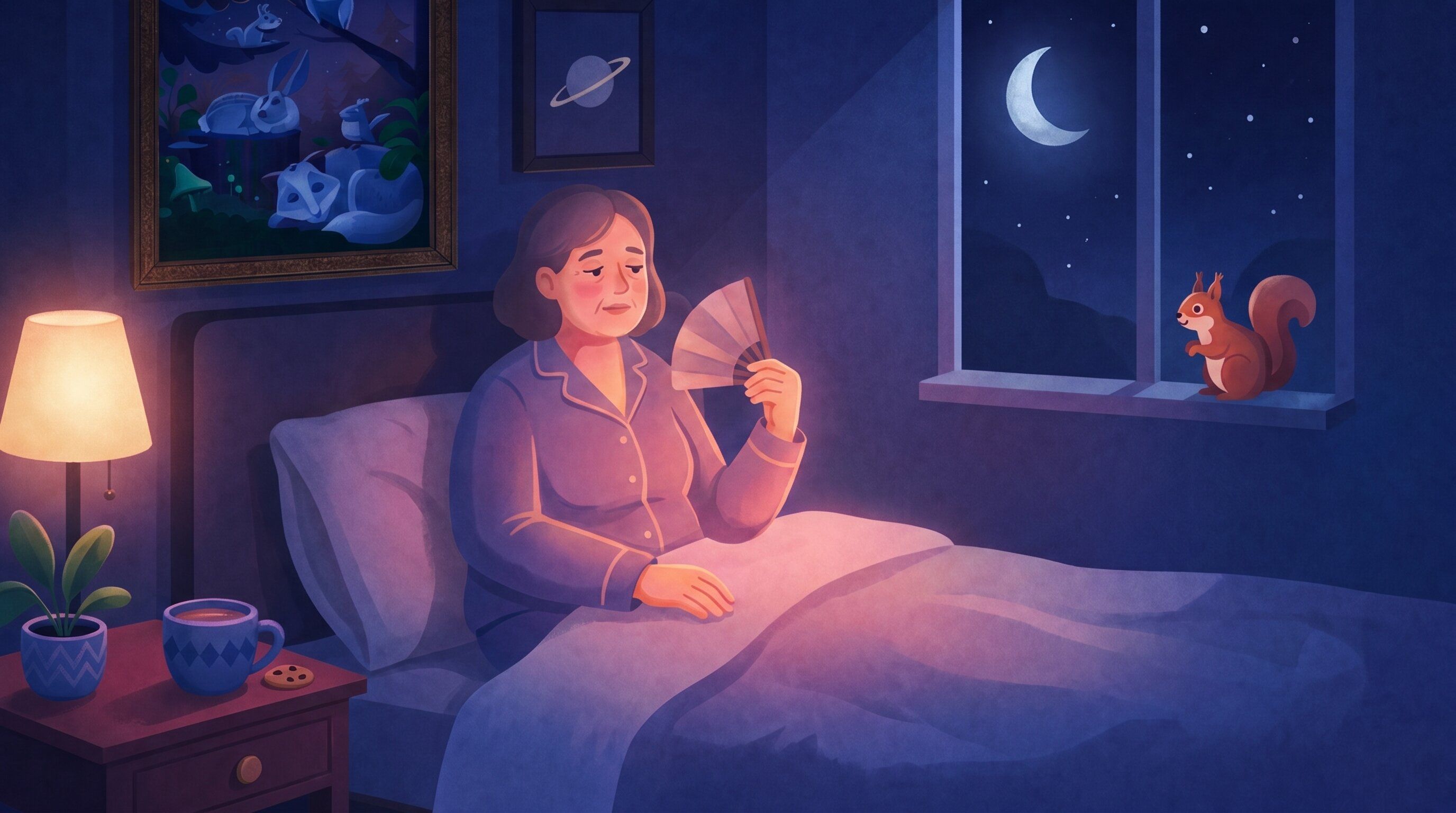
Sudden spikes in body temperature can jolt you awake multiple times per night.
Dr. Michael Breus, PhD, clinical psychologist and Diplomate of the American Board of Sleep Medicine, explains: “Temperature regulation is absolutely critical for sleep. Even small increases in core body temperature can disrupt the ability to stay asleep.”
4. Racing Thoughts at Night
Hormonal changes can amplify anxiety and emotional reactivity, leading to:
- Overthinking at bedtime
- Difficulty “shutting off” your mind
- Increased stress sensitivity
If this sounds familiar, learning how to calm racing thoughts at night can make a significant difference.
5. Lighter, Less Restorative Sleep
Even when you do sleep through the night, you may wake up feeling unrefreshed.
This is because perimenopause can reduce time spent in deep sleep (slow-wave sleep), which is the most physically restorative stage of sleep.
Dr. Matthew Walker notes: “Deep sleep is essential for physical restoration and immune function, and reductions in this stage can leave people feeling persistently fatigued.”
This shift can make it feel like you’re sleeping “just enough,” but never truly recovering.
BetterSleep’s sleep sounds and white noise features can help stabilize the sleep environment, supporting deeper and more continuous sleep cycles.
Science-Backed Remedies for Perimenopause Insomnia
The most effective approach to hormonal insomnia is not a single fix—it’s a combination of strategies that target both the brain and body.
1. CBT-I (Cognitive Behavioral Therapy for Insomnia)
CBT-I is considered the gold standard for treating insomnia, including menopause insomnia.
It works by:
- Rewiring unhelpful sleep habits
- Reducing anxiety around sleep
- Strengthening the brain’s sleep drive
Research shows CBT-I significantly improves sleep quality in menopausal women.
Dr. Shelby Harris, PsyD, clinical psychologist specializing in behavioral sleep medicine and former Director of the Behavioral Sleep Medicine Program at Montefiore Medical Center, explains: “CBT-I helps break the cycle of poor sleep by addressing both behaviors and thought patterns that keep insomnia going.”
BetterSleep offers CBT-I–inspired programs that guide you through these techniques step by step, making them easier to apply consistently.
One of the most powerful aspects of CBT-I is stimulus control.
This involves retraining your brain to associate your bed only with sleep—not wakefulness, stress, or frustration. For example:
- Going to bed only when sleepy
- Getting out of bed if you can’t sleep after ~20 minutes
- Keeping a consistent wake time
While these strategies can feel counterintuitive at first, they are highly effective in reducing perimenopause insomnia over time.
BetterSleep’s structured programs help guide you through these techniques in a practical, step-by-step way, making it easier to stick with them long enough to see results.
2. Mindfulness and Meditation
Mindfulness helps reduce the physiological and psychological reactivity that often accompanies nighttime awakenings.
Studies suggest mindfulness meditation can improve sleep quality in people with sleep disturbances.
Jon Kabat-Zinn, founder of Mindfulness-Based Stress Reduction, explains: “You can’t stop the waves, but you can learn to surf. Mindfulness teaches you how to relate differently to discomfort.”
BetterSleep’s guided meditations are particularly useful if you wake up at night—they help calm the nervous system and ease you back into sleep without frustration.
3. Medical Options (When Needed)
In some cases, medical support may be appropriate, including:
- Hormone Replacement Therapy (HRT)
- Sleep medications (short-term use)
- Treatment for sleep apnea
A healthcare provider can help determine what’s appropriate for your situation.
4. Managing Nighttime Awakenings Effectively
What you do when you wake up at night matters just as much as how you fall asleep.
Many women instinctively:
- Check the clock
- Reach for their phone
- Start worrying about the next day
These behaviors can reinforce wakefulness.
Instead, aim to keep the environment low-stimulation:
- Avoid bright light
- Keep your eyes mostly closed
- Focus on slow breathing
BetterSleep’s audio tools are ideal here. Playing a familiar sleep sound or a short meditation can gently guide your mind away from frustration and back toward rest.
Practical Tips: Your Perimenopause Sleep Toolkit
These strategies can make an immediate, noticeable difference in perimenopause sleep problems.
Keep Your Bedroom Cool
Aim for a temperature between 60–67°F (15–19°C).
Use:
- Breathable bedding
- Cooling pillows
- Fans or air circulation
You can also create a cool, sleep-optimized bedroom to reduce nighttime disruptions.
Build a Consistent Wind-Down Routine
Your brain needs a clear signal that it’s time to sleep.
Try:
- Dim lighting 60 minutes before bed
- Gentle stretching
- Listening to calming audio
BetterSleep’s Evening Wind Down sessions combine sound, breathing, and relaxation to ease the transition into sleep.
Anchor Your Wake-Up Time
While bedtime may fluctuate during perimenopause, your wake-up time should stay as consistent as possible.
A stable wake time helps regulate your circadian rhythm, even when hormones are unpredictable.
This is one of the most overlooked—but most effective—ways to improve sleep continuity over time.
BetterSleep can support this by helping you build consistent nightly routines, making it easier to fall asleep at a similar time each night.
Limit Triggers
Certain habits can worsen hormonal insomnia:
- Alcohol (disrupts sleep cycles)
- Caffeine (especially after noon)
- Spicy foods (can trigger hot flashes)
Optimizing these habits is part of improving your overall sleep hygiene.
Use Breathwork to Lower Arousal
If you wake up at night, your goal is to calm your nervous system—not force sleep.
Try deep breathing exercises to lower cortisol.
BetterSleep includes guided breathing tools designed specifically for middle-of-the-night awakenings.
Release Physical Tension
Muscle tension can quietly keep your body in a state of alertness.
Practicing progressive muscle relaxation for physical tension can help your body shift into a more restful state.
BetterSleep’s body scan meditations are especially effective here.
Understand Your Sleep Architecture
Hormonal changes can alter how your sleep cycles function.
Learning to understand your sleep architecture can help you set realistic expectations and reduce frustration.
Use Sound to Stabilize Sleep
Environmental disruptions can become more noticeable during perimenopause.
Small noises that never used to wake you may suddenly feel disruptive.
Using consistent background sound—like white noise or calming nature sounds—can help mask these disturbances and create a more stable sleep environment.
BetterSleep offers a wide range of customizable soundscapes, including ocean waves and gentle rain, which can help reduce nighttime awakenings.
Frequently Asked Questions (FAQ)
How long does perimenopause insomnia last?
Perimenopause insomnia can last anywhere from a few months to several years, depending on how long the menopausal transition continues. The intensity often fluctuates along with hormone levels.
The good news is that symptoms are highly manageable with the right combination of behavioral strategies and support tools.
Does estrogen help you sleep?
Yes. Estrogen helps regulate body temperature and supports neurotransmitters involved in sleep. When estrogen fluctuates or declines, sleep often becomes more fragmented and less restorative.
Why do I wake up every hour during menopause?
Frequent awakenings are usually caused by a combination of:
- Hormonal fluctuations
- Hot flashes
- Changes in sleep architecture
- Increased sensitivity to stress
These factors together can significantly reduce sleep continuity.
What are the best natural remedies for hormonal insomnia?
The most effective natural approaches include:
- CBT-I techniques
- Mindfulness meditation
- Sleep hygiene optimization
- Breathwork
- Magnesium (consult your doctor before use)
Using structured tools—like BetterSleep’s guided programs—can make these strategies easier to apply consistently.
Is perimenopause insomnia permanent?
No. While perimenopause sleep problems can last for several years, they are not permanent.
For many women, sleep stabilizes after menopause as hormone levels level out. However, the habits you build during perimenopause play a major role in long-term sleep quality.
Using tools like CBT-I, mindfulness, and structured routines can not only improve sleep now, but also protect it in the years ahead.
Can anxiety during perimenopause cause insomnia?
Yes. Hormonal fluctuations can increase sensitivity to stress and anxiety, which can directly interfere with sleep.
This is why approaches that target both the mind and body—such as mindfulness and breathing exercises—are particularly effective.
BetterSleep’s guided meditations are designed specifically to calm nighttime anxiety and help ease the transition back to sleep.
Conclusion
Perimenopause insomnia can feel overwhelming—especially when it seems to come out of nowhere. But while hormonal changes are inevitable, chronic poor sleep doesn’t have to be.
By understanding the biological roots of hormonal insomnia and combining evidence-based strategies like CBT-I, mindfulness, and sleep hygiene, you can significantly improve both sleep quality and overall well-being.
Small, consistent changes—like cooling your sleep environment, calming your nervous system, and building a structured wind-down routine—can have a powerful cumulative effect.
Ready to reclaim your sleep during perimenopause?Download BetterSleep free and access guided meditations, cooling sleep sounds, breathing exercises, and CBT-I–inspired techniques designed to help you sleep through the night.
Medical Disclaimer:This article is for informational purposes only and does not constitute medical advice. If you are experiencing persistent sleep problems, please consult a qualified healthcare provider or sleep specialist. The BetterSleep app is not a medical device and is not intended to diagnose, treat, cure, or prevent any medical condition.