The Connection Between Sleep and Healthy Aging
The Longevity Habit People Often Overlook
What does aging well look like in everyday life? Perhaps it means keeping up with grandchildren, enjoying a long walk, or feeling sharp enough to learn something new. Sleep deserves a place in that picture: it helps support the attention, memory, and mood that shape our days.
The search for better rest can lead people to everything from bedtime routines to sleep apps such as BetterSleep. A useful place to begin is understanding how sleep changes over time and what those changes mean for the life we want to keep living.
What Changes in Our Sleep as We Age?
An earlier bedtime or a tendency to wake with the sun can come with getting older. As the body's internal clock and sleep patterns change, sleep often becomes lighter and more interrupted.
That doesn't mean the need for rest disappears. The National Institute on Aging says older adults generally still need seven to nine hours a night. The timing may shift, but feeling rested still matters.
Why Sleep Matters to the Brain
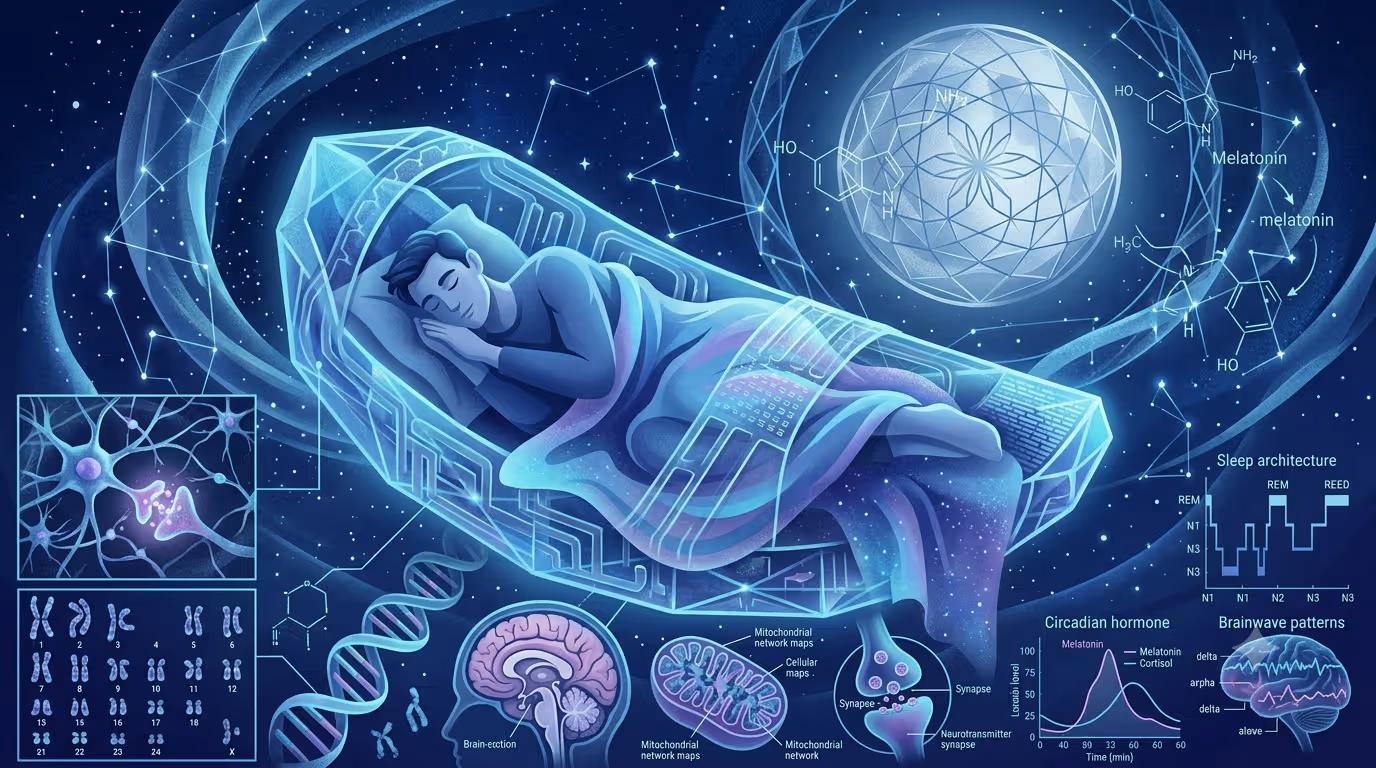
While we sleep, the brain continues working. Both REM sleep, when most dreaming happens, and non-REM sleep help us store and strengthen memories.
Researchers are also exploring sleep's relationship with the glymphatic system, which is involved in moving fluid and clearing waste from the brain. A review of 190 studies found connections between sleep and these processes, although the findings varied and the details in humans are still emerging.
The connection with dementia is similarly complex. Research suggests sleep and Alzheimer's-related changes can influence each other. Scientists are still untangling that relationship; a difficult night is no basis for predicting someone's future brain health.
Sleep and Physical Recovery Don't Stop Mattering With Age
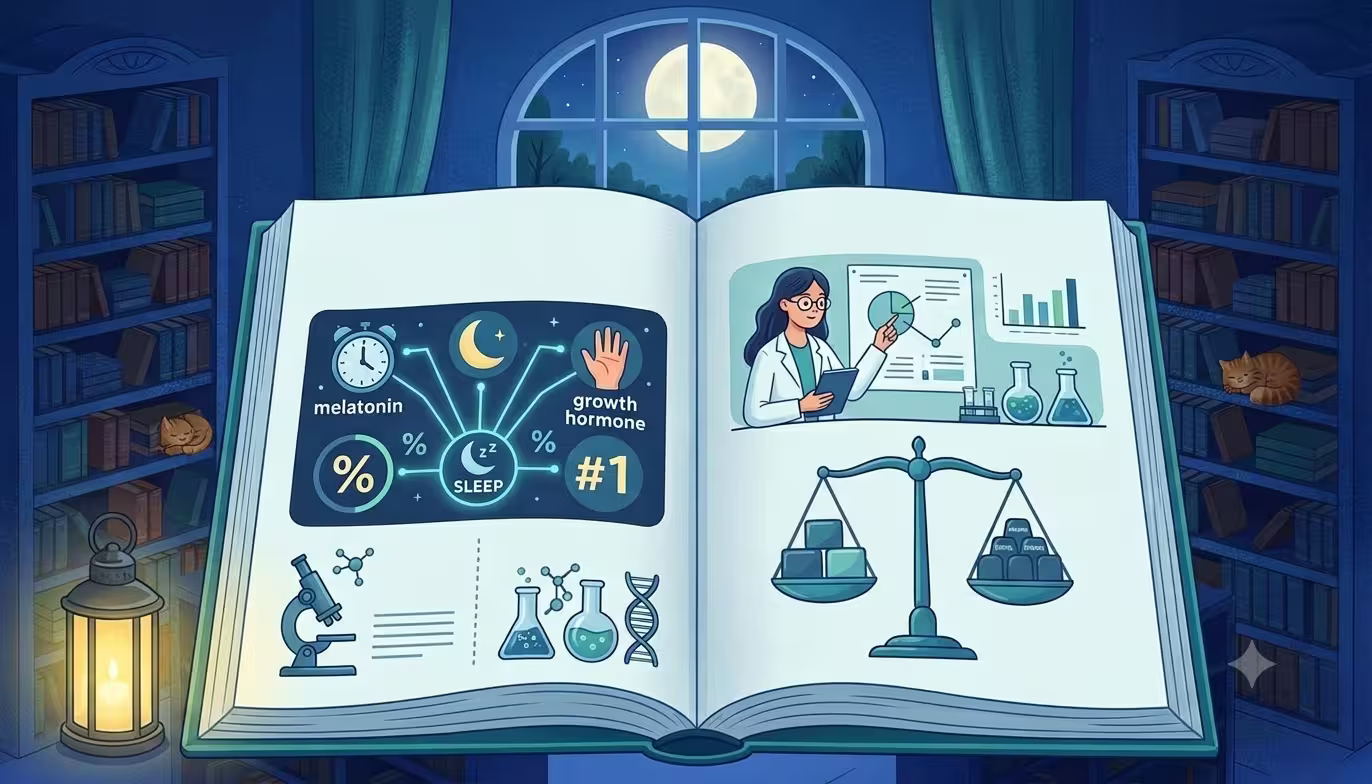
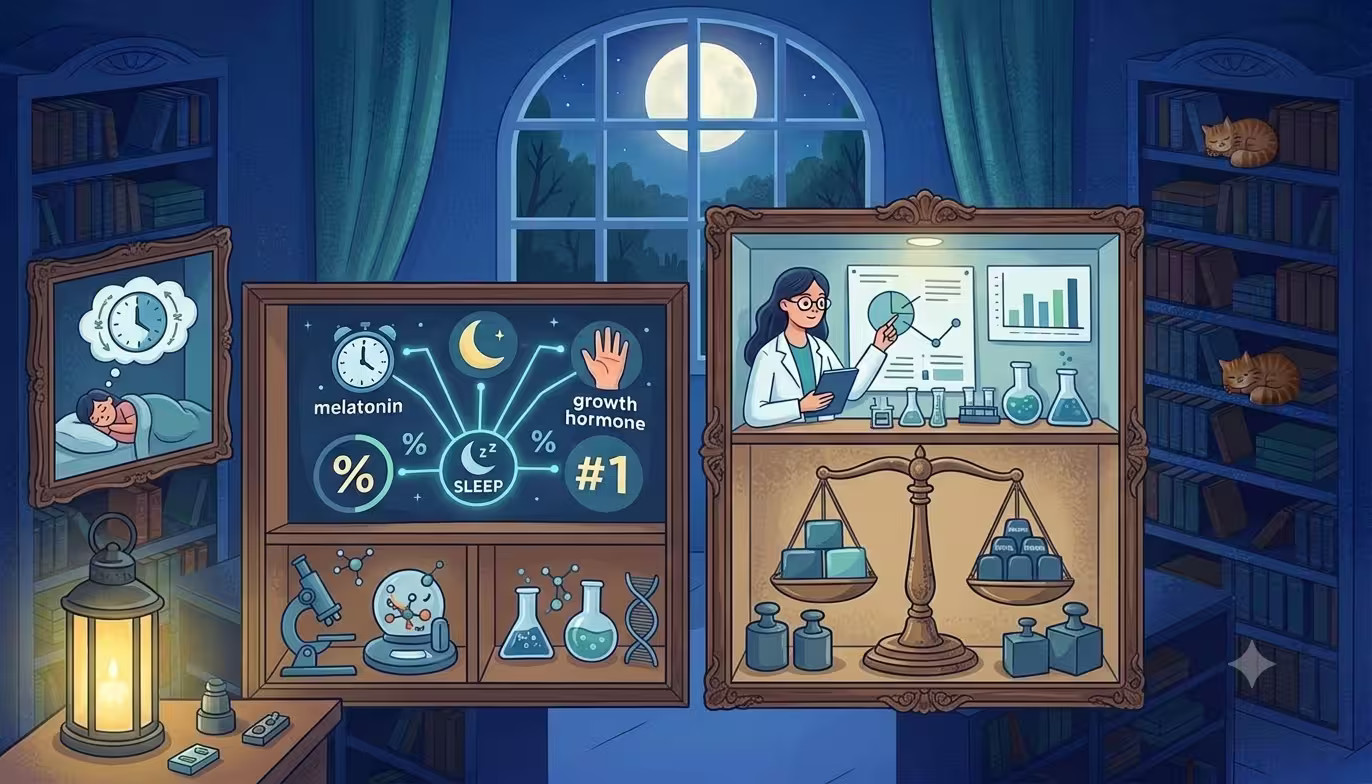
The body's overnight work extends well beyond the brain. Sleep supports cell and tissue repair, helps regulate hormones, and supports the immune system's response to infections.
These processes continue throughout adulthood. Making room for sleep is one way to give recovery the same attention we give activity.

The Relationship Between Sleep and Cardiometabolic Health
Sleep also helps regulate appetite and blood sugar. Ongoing sleep deficiency is linked with problems including high blood pressure, heart disease, diabetes, and obesity.
More hours aren't automatically better, either. Studies connecting long sleep with poorer health may partly reflect underlying illness or other factors. The useful question is whether someone's sleep meets their needs and leaves them refreshed.
Why Consistency May Matter as Much as Quantity
Bedtime deserves some attention alongside the number of hours slept. In a study of 88,975 UK Biobank participants, people with more irregular sleep patterns had a higher risk of dying during follow-up, even after researchers accounted for several health and lifestyle factors. The study couldn't establish whether changing those patterns would extend life.
For everyday purposes, the guidance is straightforward: aim for similar bedtimes and wake times through the week. Large weekend shifts can disrupt the body's sleep rhythm. There's room for real life within a reasonably steady routine.
Is Eight Hours Really the Magic Number?
Eight hours is a familiar target, but recommendations allow some flexibility. The CDC recommends at least seven hours for adults ages 18 to 60, seven to nine for those 61 to 64, and seven to eight for those 65 and older.
How those hours feel matters, too. Repeated awakenings or daytime tiredness despite enough time asleep can signal poor sleep quality. The clock tells only part of the story.
What Happens When Poor Sleep Becomes Chronic?
When poor sleep becomes a pattern, its effects can spill into ordinary tasks. Sleep deficiency can make it harder to concentrate, make decisions, and react. Managing emotions and remembering information can become more difficult, too.
The emphasis belongs on recurring problems and their impact on daily life. That's more useful than judging long-term health by one restless night.
Sleep Problems Can Become More Common With Age, But They Shouldn't Be Ignored
Sometimes the explanation for disrupted sleep lies beyond bedtime itself. Pain, medications, illness, and stress can interfere with a night's rest. Insomnia and sleep apnea also become more common with age.
Looking into what's changed can reveal a problem that can be treated. Exhaustion deserves attention at any age.
The Sleep-Activity Connection
Movement is another piece of the picture. A review of 22 randomized controlled trials found that regular exercise improved adults' ratings of their sleep quality. The studies included activities such as walking, cycling, and yoga.
Sleep, in turn, supports the daytime energy and functioning that make activity possible. Together, rest and movement belong in a routine built around feeling well enough to participate in life.
What Healthy Sleep Habits Look Like Over the Long Term
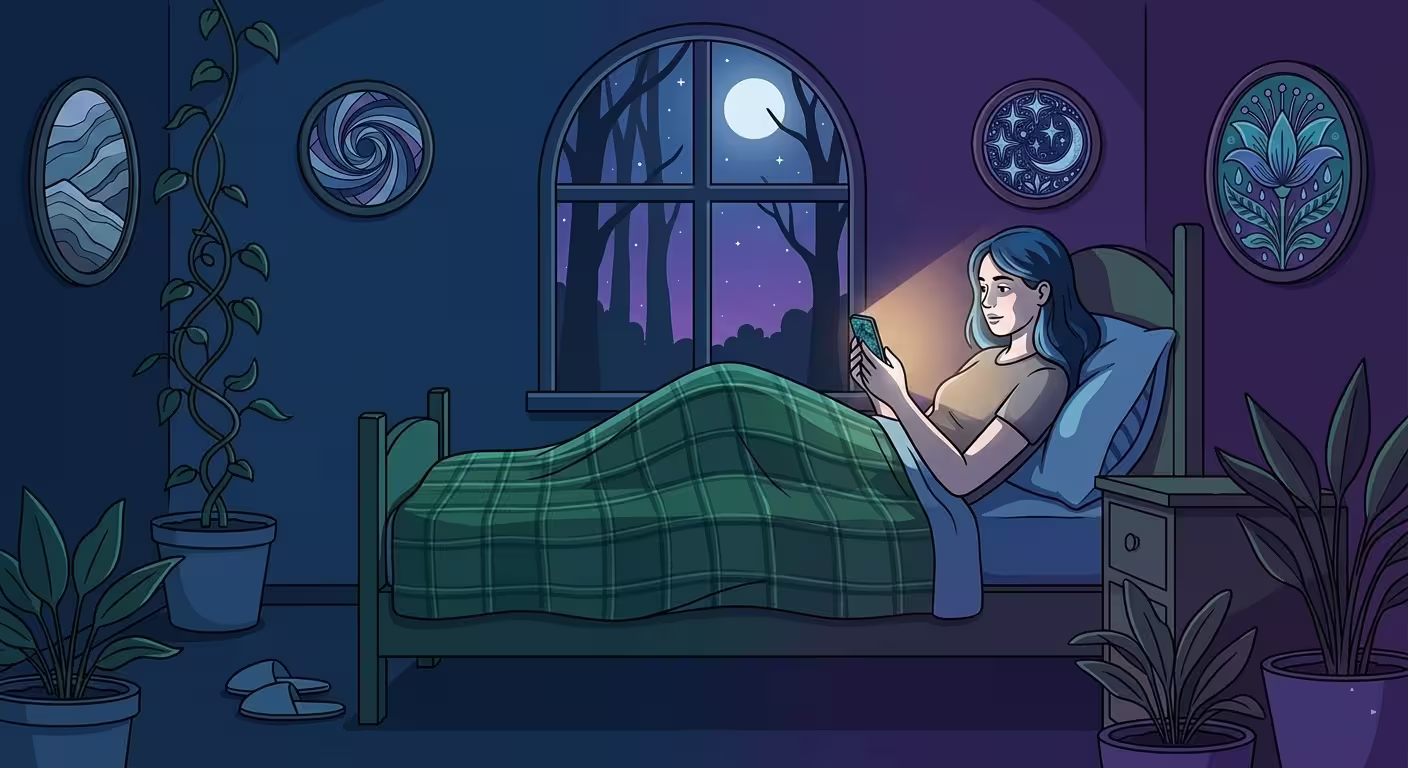
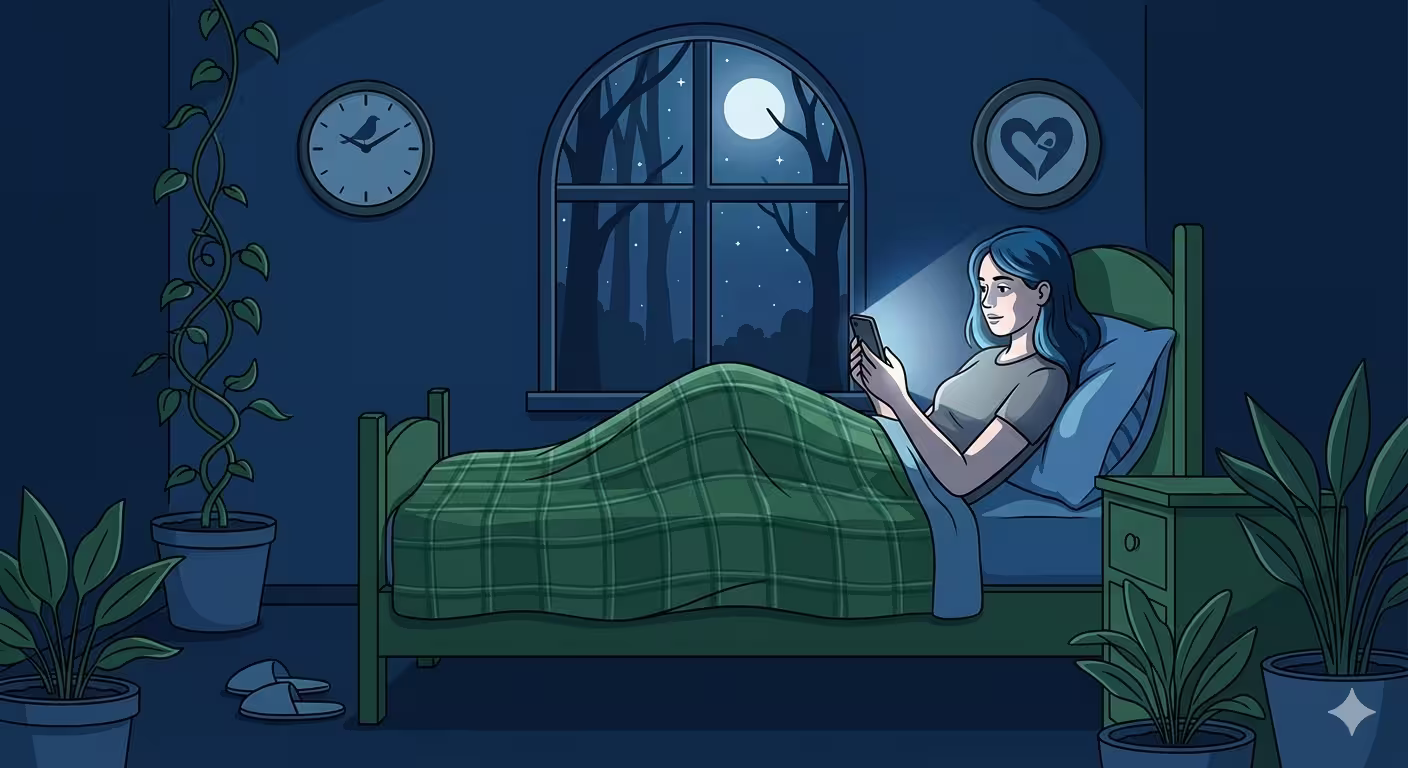
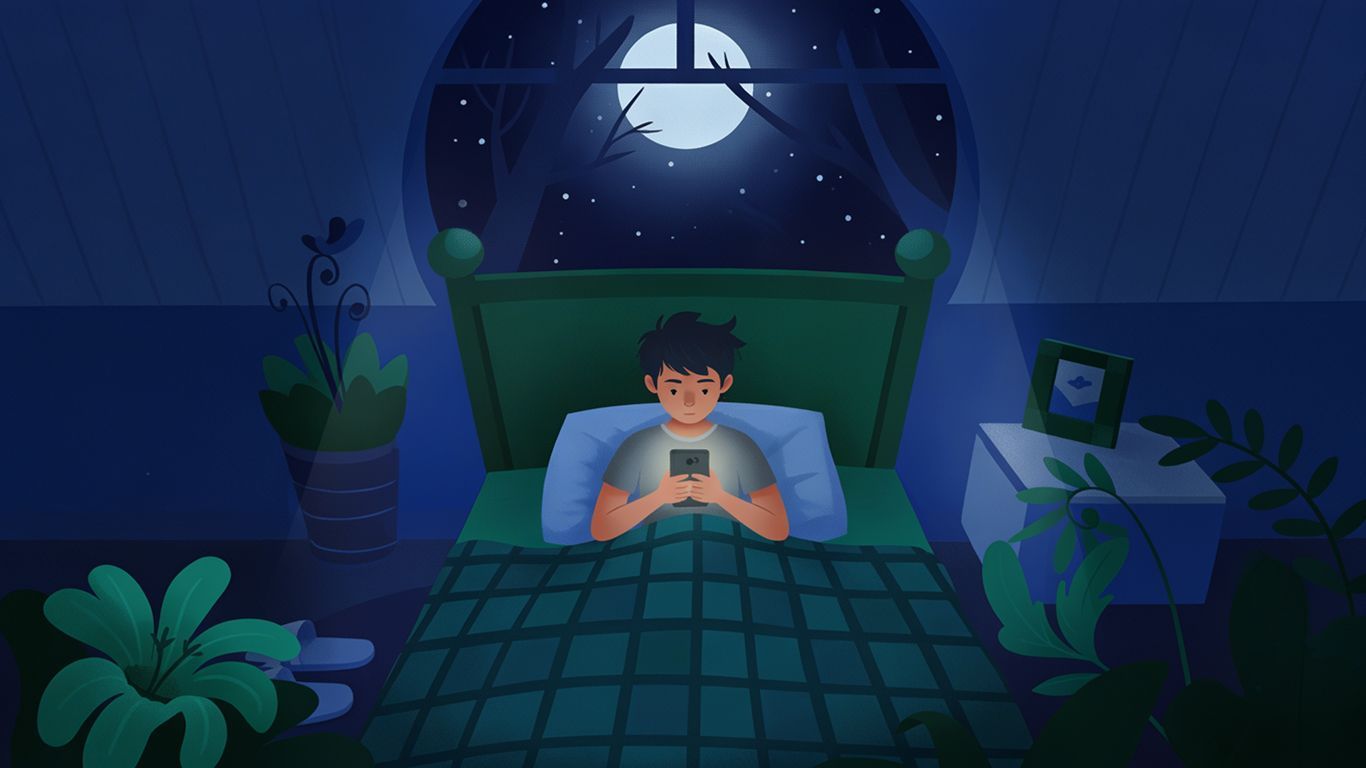
Start with a routine that feels manageable. Federal guidance recommends quiet time before bed, a cool and dark bedroom, regular activity, and time outdoors. It also advises limiting late caffeine, avoiding alcohol and heavy meals near bedtime, and reducing bright screen light in the evening.
That might mean reading after dinner or moving the last coffee earlier. Choose a starting point that fits your day. Sleep doesn't need to become another performance score.
When Poor Sleep May Be a Health Signal
If falling asleep, staying asleep, or staying alert during the day is regularly difficult, talk with a healthcare professional. A brief sleep diary can help show what's happening.
Mention loud snoring or gasping, too, especially if someone has noticed pauses in breathing. These are symptoms of sleep apnea and give a clinician something specific to investigate.
Healthy Aging Is About More Than Adding Years

A longer life means more when there's room to enjoy it. That's the idea behind healthspan: the years spent in good health. In practical terms, it brings the focus back to everyday abilities and experiences.
Sleep sits alongside movement, nutrition, and social connection, as well as preventive care and managing existing conditions. Each deserves attention in its own right.
Conclusion: Sleep Isn't an Anti-Aging Hack, It's Part of Healthy Aging
A useful goal is to make enough room for rest, find a rhythm that fits, and pay attention when sleep stops feeling restorative.
The reason is personal as much as practical: having the energy for a walk, the focus for a conversation, and the chance to keep doing what makes a day worthwhile.