
Strongest Natural Sleep Aid: What Works—And What to Skip
Medically reviewed by Patricia Weiser, PharmD and Shelby Harris, PsyD, DBSM
Prescription sleeping pills can help you fall asleep, but they come with a long list of potential side effects. For many people, natural supplements feel like a safer alternative. But what is the strongest natural sleep aid? While we’d love to provide a direct answer, the best sleep aid depends on your individual needs. What this article can offer is a short list of supplements to explore, plus guidance on how to create your own “sleep trial” to find the right sleep aid for you.
If you’re reading this at 2am after another round of tossing, turning, and mentally calculating how much sleep you’ll get if you drift off right now, I’ve been there. In that late night spiral, it’s natural to brainstorm different solutions, including supplements that may offer a gentler fix than sleeping pills. Yet finding the strongest natural sleep aid isn’t easy because everyone’s biology and sleep challenges are different.
Still, a few contenders rise to the top. Researching those options, combined with some self-reflection on your sleep habits and pain points, provides the foundation for an unofficial, very casual sleep trial. After finishing this article, you’ll be ready to choose a frontrunner, design an experiment to test it out for a few weeks, and track results objectively. You’ll also walk away with other natural ways to fall asleep faster.
How to Use This Guide
As you’ll learn in this guide, there are a lot of potential supplements and natural ways to spend more time in deep, restorative sleep. When searching for the best sleep supplement, approach it like a scientist. Here’s how this guide can help you set up your sleep experiment:
- Choose one supplement to start with: Try the supplement you believe may best suit your situation for about two weeks. During that time, take it consistently and log any symptoms, changes in sleep patterns, or other effects.
- Pay attention to the trial’s environment: Natural sleep aids are team players. Make sure your bedroom’s lighting, noise level, and temperature induce sleep and that your bedtime habits support a good night’s rest. You may also want to consider combining natural sleep aids for adults with behavioral tools and recommendations from a sleep medicine expert.
- Adjust and seek help as needed: After the two week trial, decide if you’ll continue with that natural sleep aid or try another.

What Counts as a ‘Natural Sleep Aid’
Before you start designing these experiments, what exactly is a natural sleep aid? You can think of them as nature’s sleeping pills, but without the long list of potential side effects and a slightly different way of working.
“Natural sleep aids are over-the-counter dietary supplements, herbal remedies, or specific foods intended to help you fall asleep faster or stay asleep throughout the night,” explains Dionne Morgan, MD, a sleep medicine specialist at Baptist Health, “Most natural sleep aids are typically plant-based and composed of vitamins and minerals already present in your diet.”
With a sleeping pill, I often envision someone swallowing it and falling right to sleep—and some sedative sleep medications do work quickly. But when we think about natural sleep aids, we can view them more as a reset for hormones and emotional states that disrupt regular sleep. They are not a sedative that would knock you out ASAP.
Dr. Morgan explains that natural sleep aids improve sleep in a roundabout way. They influence stress, anxiety, and melatonin pathways. If you’ve ever stayed up tossing and turning before a big presentation or event, you’re probably aware that too much stress or anxiety makes it hard to sleep.
Melatonin is a buzzword that’s thrown around the sleep space, but it’s not always fully explained. While it can come from a supplement, melatonin is a naturally occurring hormone. Melatonin levels play a role in the circadian rhythm, which is the natural sleep-wake cycle of the body.
While natural options usually come with fewer side effects than traditional sleeping pills, they aren’t entirely risk free. Supplements to help sleep may still interact with medications or certain health conditions, which is why it’s important to discuss potential supplements with a healthcare provider.
Plus, supplements aren’t FDA-regulated, meaning the FDA does not pre-approve supplements or their claims before they are sold, and companies usually do not have to submit safety or quality data first. Luckily, there is a way to verify if a product is high-quality, which we’ll get into later in this article.
Most Helpful Natural Options
If you walk down the supplement aisle at your local pharmacy, you’ll see many products that claim to help with sleep. Here are the ones that are actually evidence-backed.
Melatonin
While melatonin is naturally occurring, some people may benefit from an extra boost to better regulate the sleep-wake cycle. “Melatonin plays an important role in sleep onset as levels rise in the evening and remain high throughout the night,” explains Dr. Morgan, “Melatonin supplements have been shown to significantly improve sleep quality and reduce the time for sleep onset, especially in circadian rhythm disorders such as shift work or jet lag.”
That said, melatonin isn’t the best long-term choice for everyone. Notably, melatonin can linger longer in older adults and cause daytime drowsiness, and it’s not recommended for those with dementia. Melatonin may be best used as a short-term way to get the circadian rhythm back on track, then slowly phased out once someone develops sleep habits that maintain a consistent sleep-wake cycle.
Magnesium
Magnesium is an essential mineral. And we say essential, we mean it. This mineral may help relax muscles, regulate energy levels and our circadian rhythm, and calm the nervous system—all things that can help you spend more time asleep. With these benefits, it’s no wonder that a magnesium deficiency is associated with impaired sleep quality, less time asleep, and even some sleep disorders.
It’s possible to get enough magnesium from your diet (pro-tip: it’s found in leafy greens, nuts, seeds, and whole grains). But if diet alone doesn’t cut it, a supplement may help. Just remember that there’s an association, not causation, between a magnesium supplement for sleep and improved rest, and it’s best used alongside solid sleep habits.
Tart cherry
A few years ago, the sleepy girl mocktail made its rounds on TikTok and Instagram. This non-alcoholic beverage combines magnesium (which we already discussed above) with tart cherry juice. But is there any evidence to support its second ingredient? The answer is a tentative yes.
Tart cherries may help regulate the sleep-wake cycle because they contain melatonin and can help boost your body’s melatonin production. In fact, a meta-review of seven studies reported that this food increased sleep duration and quality and made it easier to fall asleep at the same time for people without chronic conditions.
One caveat: sometimes people drink tart cherry juice right before bed, which can make you wake up to use the bathroom. If that’s the case for you, it may not be the best choice.
Amino acids
“Amino acids such as L-theanine, glycine, and tryptophan may help to improve sleep quality and reduce the time for sleep onset,” says Dr. Morgan. That’s because some amino acids, like tryptophan and l-theanine, play a role in regulating the hormones associated with the sleep-wake cycle.
Glycine, another amino acid, may also help regulate body temperature too, meaning those who struggle to stay asleep due to getting too hot or cold at night, may sleep better after taking a supplement with this amino acid right before bedtime.
However, many different amino acid supplements are available, and some people think timing them differently may help support sleep. Consult a healthcare provider or research options further to decide which amino acids may work for you.
Ashwagandha
If stress is keeping you up at night, ashwagandha may help. Supplements that contain extracts from this evergreen shrub lower levels of cortisol, the stress hormone. Limited (but growing) evidence also supports that this shrub may improve sleep quality and boost mental clarity and energy levels throughout the day.
Lavender
Another natural stress reliever is lavender. This calming flower can be ingested as an extract in a supplement or can be an ingredient in tea. It may also be used as an essential oil or you can keep a lavender sachet near your bed to sniff after a stressful day (I can confirm the sachet trick helps!).
Along with lowering stress levels, which can make it difficult to sleep, limited evidence suggests lavender improves sleep quality for people without insomnia.

What to Skip (Or Use With Caution)
Now that we’ve gone through the short list of natural sleep aids backed by science, let’s talk about which natural solutions didn’t make the cut.
For one, we didn’t include sedating antihistamines (found in Benadryl or NyQuil, for example) since they may cause next-day grogginess and are medications, not natural aids. That said, they may still be worth considering if a healthcare provider recommends them for allergy symptoms or a cold that keeps you up at night.
Dr. Morgan also points out a few common supplements that have mixed research or that don’t help with sleep:
- Valerian: The evidence is mixed, though many studies report it has no effect or a minimal effect on sleep.
- Chamomile: This flower may help reduce the amount of times someone wakes up during the night, but it hasn’t been shown to impact sleep duration or quality.
- St. John’s wort: Trouble sleeping is actually listed as a potential side effect for this supplement. It’s often used for depression or to treat menopause symptoms, which is important to note since both menopause and depression increase the risk of sleep troubles.
- Kava: While kava might help reduce stress and relax the mind and body, there is a lack of clinical trials putting this natural aid to the test when it comes to sleep specifically.
Buying Guide for Supplements
Supplements aren’t FDA-regulated. That means unlike medications, there isn’t a guaranteed standard for any supplement you buy. To verify a product’s quality before purchasing, look for:
- Third-party testing: When possible choose supplements tested by third-party organizations, such as United States Pharmacopeia (USP) or National Sanitation Foundation (NSF). Third-party testing verifies products actually contain the ingredients and dosages on their labels.
- A transparent label: When looking at different options, opt for supplements with clear, detailed labels that list ingredients and doses.
- Keep it simple: Options with fewer ingredients and that don’t boast mega-doses are often easier for the body to absorb.
- Personal must-haves: If you’re allergic to anything, such as gelatin, or follow a vegan or gluten-free diet, choose products that state they are vegan, gluten-free, or don’t contain specific allergens.

Non-Supplement Sleep Wins
When researchers design a clinical trial, they minimize confounding variables that could skew the results. For your very unofficial natural sleep aid trial, you can do something similar: create a more consistent sleep environment by adjusting habits or routines that make it harder to drift off. Those habits may include:
- Adjust light and temperature: Light and temperature may seem like a minor thing, but they play a big role in how awake you feel. In the morning, bright light can help regulate your circadian rhythm. At night, dim light and a cool bedroom (about 68-77°F) cues to your body that it’s time to sleep.
- Set a bedtime: Bedtimes aren’t just for children; adults benefit from a consistent bedtime and wake-up time too. Ideally, keep them the same each day, even on the weekends.
- Go to bed sleepy: We’ve all heard the advice to never go to bed angry, but you should go to bed sleepy. A wind-down routine instead of jumping right from work, exercise, or a highly stimulating activity can help you fall asleep faster. That routine, for example, might look like logging off work and screens at least 30 minutes before bed and doing a calming activity, like reading a book or taking a warm bath.
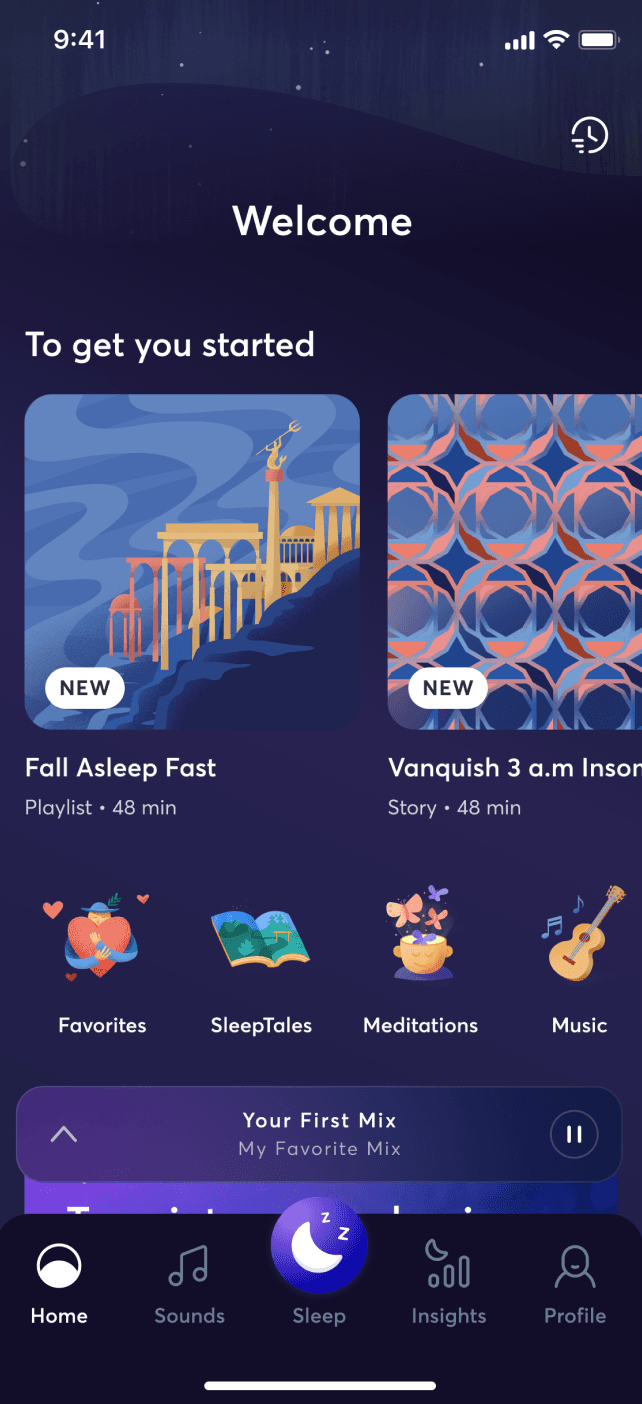
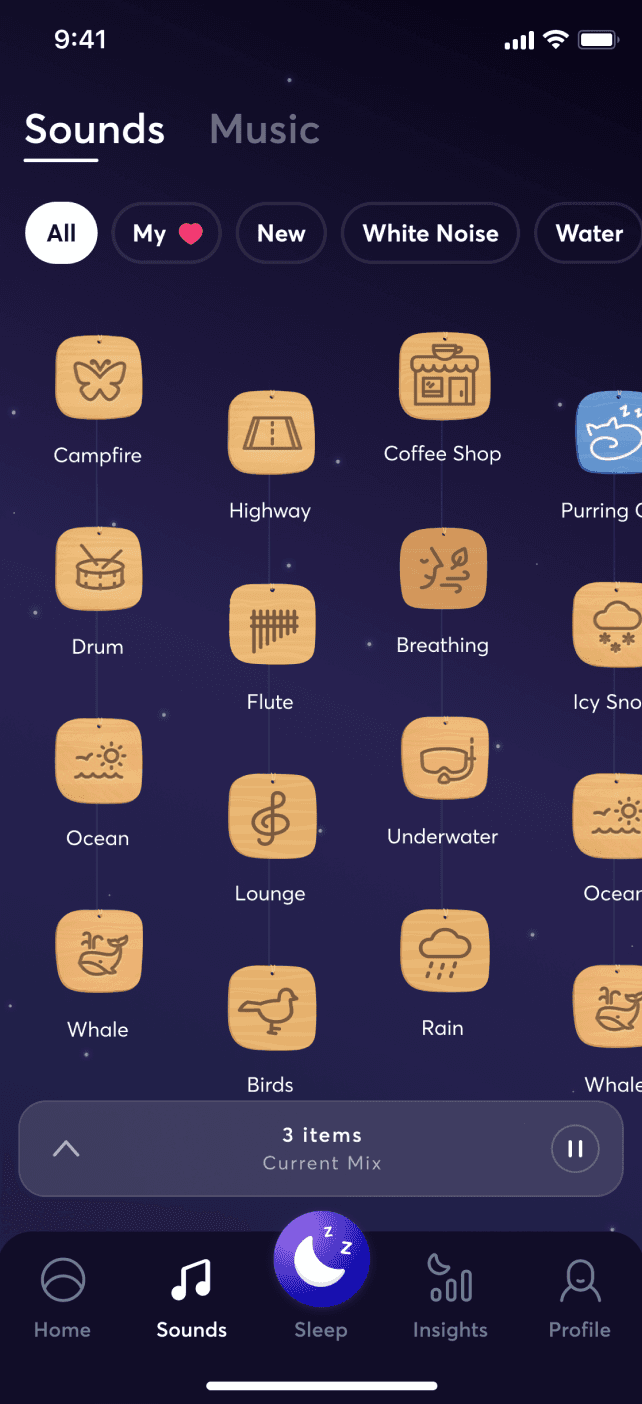
- Noise: A silent room or calming sleep noises help signal to your body that it’s time to sleep. Which one works best depends on your preferences. If you’re curious about if sleep noises will work for you, the BetterSleep app offers a library of different noises that help induce sleep.
- Exercise at the right time: Timing is everything in romantic relationships—and for when you workout. Daily movement helps the body’s circadian rhythm and may decrease stress. However, schedule those sweet sessions for morning or afternoon, as working out makes you more alert for a few hours after.
- Calm the mind: Anxiety or stress can keep you tossing and turning at night. Managing negative emotions throughout the day, but especially in the evening, may help. Effective ways to calm anxiety at night include breathwork, using pink/white noise around bedtime, creating a calming bedroom, and avoiding screens or other stressors right before bed.
- Watch what and when you’re drinking: The closer it is to bedtime, the better it is to opt for water or a calming beverage (think: a decaf herbal tea) instead of drinks with alcohol or caffeine.
Simple Starter Protocol
We’ve just reviewed many, many supplements and sleep habits. But that doesn’t mean you have to try all of them this week. Instead, create a simple starter routine with a few habits and one natural sleep aid.
When possible, tailor these to your specific problem, such as in the examples below:
- If trouble falling asleep: Design a calming evening routine and consider a natural sleep aid that makes you feel sleepier at night, such as a magnesium or melatonin supplement or tart cherries.
- If frequent wake-ups: If restless throughout the night, double check your sleep environment, including the temperature and any light or background noise. You may also want to reduce alcohol or caffeine in the evenings, which may cause restless sleep.
- If stress-driven: Focus on stress management techniques. That includes daytime actions, like regular movement and a calming nighttime routine. For a natural sleep aid, opt for one that decreases emotional stress, such as lavender or ashwagandha, or one that combats anxiety, like magnesium..
No matter what your starter routine looks like, track the results of different sleep aids. You can do this in the notes app on your phone or in the BetterSleep app. The in-app sleep recorder provides you with a sleep quality score, information on your sleep phases, and other useful data that can help tailor your daytime habits, sleep habits, and supplement line-up.
Working With a Healthcare Provider
While some people can DIY their way to better sleep, that isn’t the case for everyone. There are many scenarios where you’ll get better results from working with a healthcare provider, who can also diagnose any underlying conditions responsible for sleep disruptions and provide even more treatment options.
When to seek care
If sleep difficulties last more than three months and occur at least three times a week, Dr. Morgan recommends seeing a healthcare provider. This is especially true if sleep problems disrupt your day-to-day life or are accompanied by any warning signs of a sleep disorder:
- Feeling excessive daytime sleepiness
- Snoring, gasping, snorting, or making choking sounds when asleep
- Taking more than 30 minutes to fall asleep on the daily, or waking early multiple times per week
- Jerking your legs or arms often during sleep
- Acting out dreams, such as sleep walking
- Taking frequent naps
Diagnosis and treatment options
When you see a healthcare provider, whether it’s a primary care physician or a sleep medicine specialist, bring a two-week sleep log (such as the record from the BetterSleep app), a list of any current medications or supplements, and notes on any symptoms you’re experiencing.
Your healthcare provider may also ask about your bedtime routine, when you wake up, and other details in order to get a full picture of your sleep situation before diagnosing the issue.
After a diagnosis, they may provide personalized recommendations on supplements to take or non-supplement sleep habits to try. They could also recommend the short-term use of a sleep medication or cognitive behavioral therapy for insomnia (CBT-I) sessions.
CBT-I unpacks the thoughts and feelings behind sleep-specific behaviors and actions. This approach is often considered effective for insomnia.
Special considerations
Some groups may especially find it hard to DIY sleep remedies. This includes older adults, since falling and staying asleep becomes more difficult as we age. Older adults may also respond differently to medications and supplements, meaning healthcare providers often recommend CBT-I or behavioral approaches to older patients.
People who are pregnant or breastfeeding should be cautious of natural sleep aids. Any supplements or medications should be approved by their OB/GYN, since not all natural sleep aids are safe for the parent and baby.
Natural sleep aids are also not an option for people with insomnia. Dr. Morgan explains, “Most of the commonly used natural sleep aids lack sufficient evidence for chronic insomnia.” If someone has chronic insomnia, they should consult a healthcare provider who can recommend more effective treatments, like CBT-I or medication.
The Bottom Line
There isn’t one right way to improve sleep. What works is highly personal, which is why it’s important to research your options and design mini-experiments to discover the best natural sleep aid for you. The BetterSleep app can help you track your sleep quality score, how long you sleep each night, and more. It also provides other natural sleep wins, such as a library of sleep noises and bedtime meditations.
Key Takeaways
- Natural sleep aids may help decrease stress and anxiety and regulate the circadian rhythm. Some of the most research-backed options include lavender, ashwagandha, some amino acids, tart cherries, magnesium, and melatonin.
- Good sleep habits lay the foundation for natural sleep aids. These habits include a calming evening routine, sleeping in a cool, dark space, and daytime strategies to regulate your circadian rhythm, such as regular movement and getting morning sunlight.
- When trying to improve sleep, track your progress with a tool like the BetterSleep app.
- If you aren’t sleeping better within three months of consistent action, contact a healthcare provider for next steps.
Frequently Asked Questions (FAQs)
What is the strongest natural sleep remedy?
There isn’t a strongest natural sleep remedy. Instead, there are many options that may work, depending on what’s causing sleep difficulties. Evidence-backed options include ashwagandha, tart cherries, amino acids like l-theanine or glycerin, melatonin, magnesium, and lavender.
What will knock me out for sleep?
Sedatives, commonly referred to as sleeping pills, will help someone fall asleep quickly. They can be habit-forming and may come with side effects, such as feeling groggy in the morning. Natural sleep aids don’t provide the same quick-sleep effect, but they may have fewer side effects. These aids help regulate your circadian rhythm, stress levels, or both so that you can fall asleep faster and stay asleep during the night.
What is the most powerful sleeping aid?
If you’re looking for a sleeping aid that will knock you out the quickest, prescription sleeping pills are the best bet. However, sleeping pills don’t affect sleep habits, meaning someone is dependent on them to get enough sleep. That’s why it’s important to adjust nighttime and daytime habits to regulate your circadian rhythm, whether you take a sleeping pill or not.
How can I sedate myself naturally?
There isn’t a way you can sedate yourself naturally that compares to a prescription sedative. That said, certain habits, like listening to white/pink noise before bed, doing a sleep meditation, or reading a book at night can help sedate you naturally. Some supplements, like tart cherries or magnesium, and keeping your bedroom dark, cool, and distraction-free may also help you feel sleepy.
What can I drink to sleep faster?
Some herbal teas may help you sleep faster. This is especially true if you’re stressed or if sickness is the reason you’re struggling to sleep. When looking for a tea to drink before bed, find one that does not contain caffeine and features a calming herb, like lavender.