Why Sleep Changes as We Get Older
Why Your Sleep May Not Feel the Same at 50 as It Did at 25
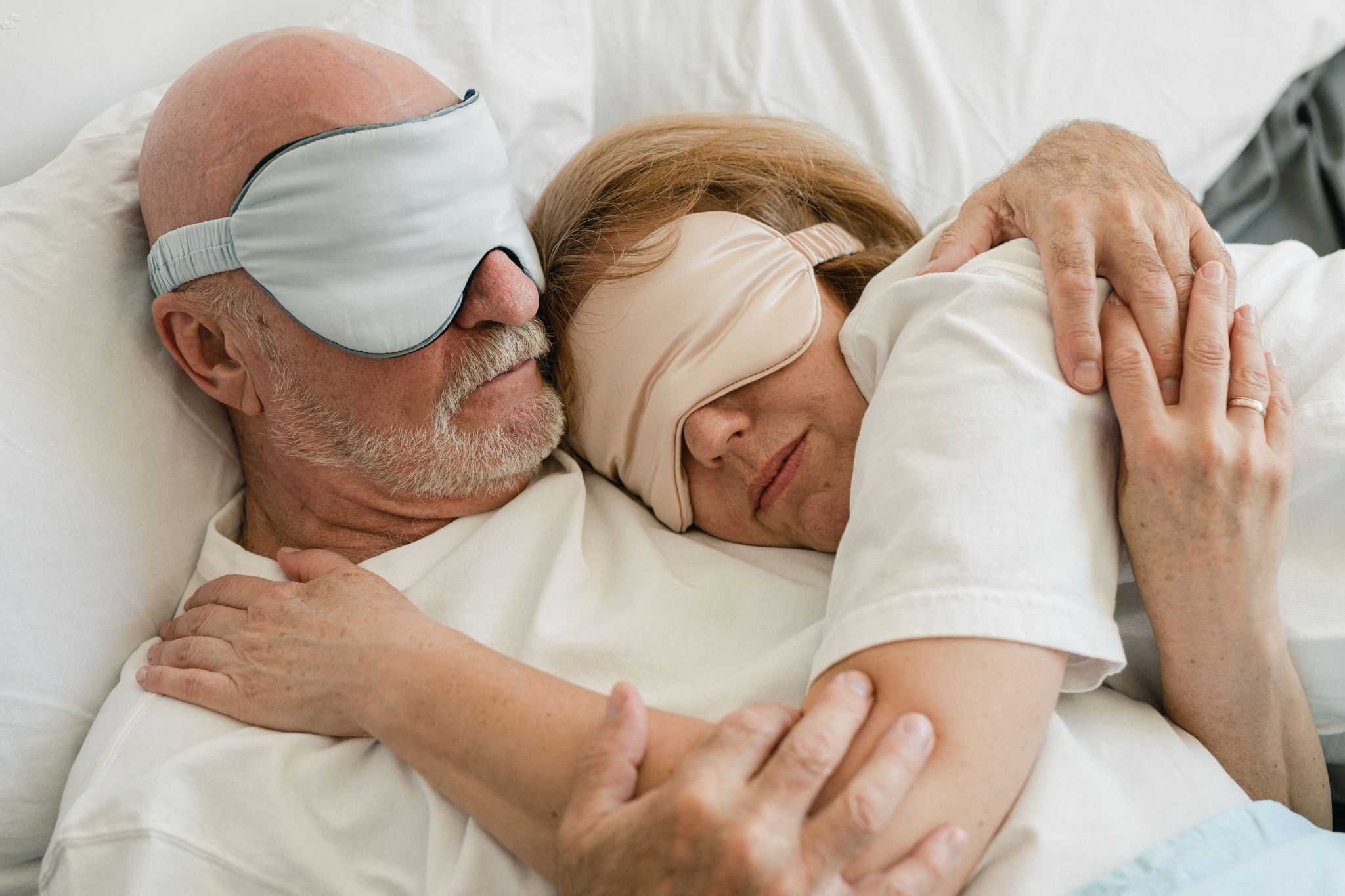
Sleep at 50 or 70 may look different from sleep at 25. Bedtime may creep earlier, morning may arrive sooner, and stretches of uninterrupted sleep may become shorter. The National Institute on Aging notes that factors including insomnia, menopause and sleep apnea can affect older adults' ability to get the sleep they need.
That does not mean poor sleep is an inevitable part of getting older. Sleep is increasingly part of the broader conversation about healthy aging, and resources such as BetterSleep reflect growing interest in understanding how rest fits into overall well-being. Aging can bring predictable shifts in when and how people sleep, but persistent insomnia, excessive daytime sleepiness or other disruptive symptoms may have causes beyond age itself.
How Sleep Changes Throughout Adulthood
Sleep does not suddenly change at a particular birthday. Instead, research on sleep and aging shows that its timing and structure change progressively across adulthood, with considerable variation among individuals.
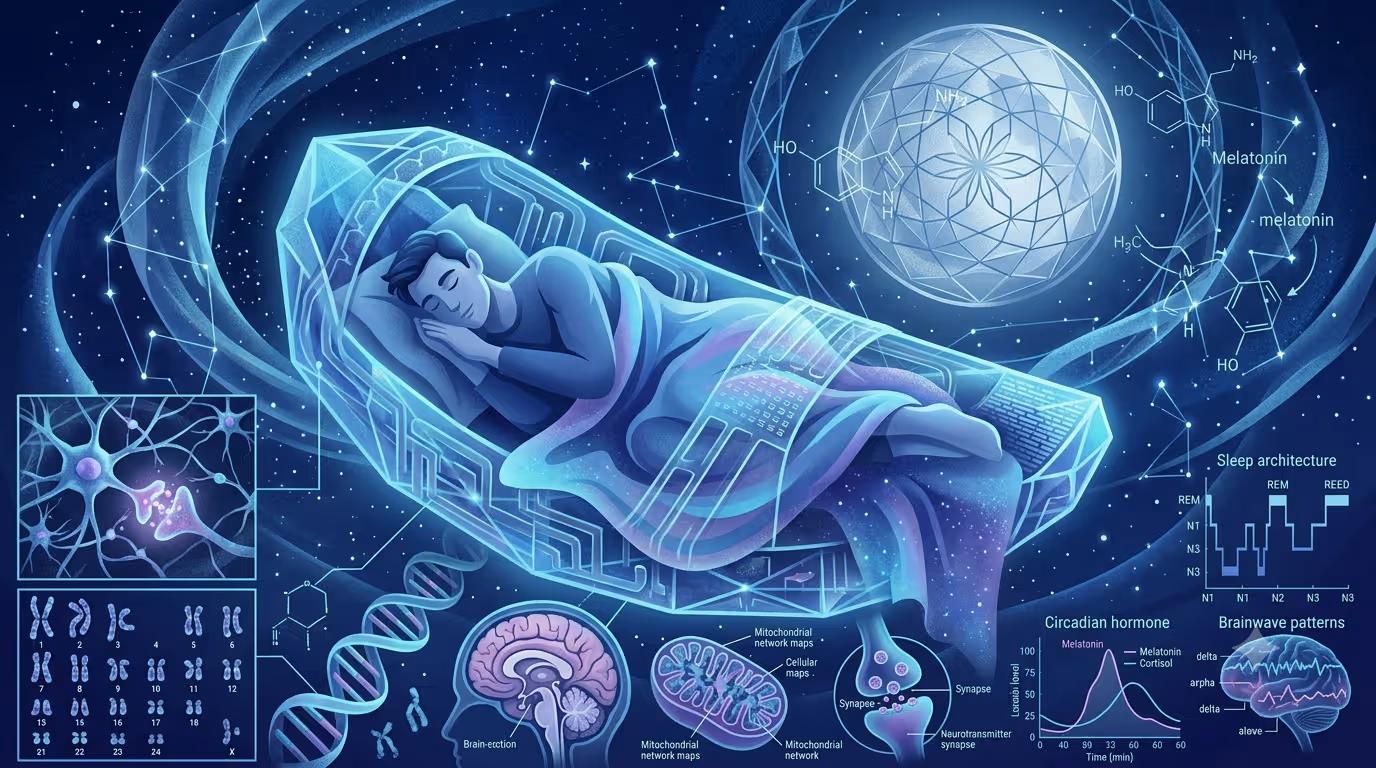
Older adults tend to experience lighter and more fragmented sleep. Research on normal aging has identified changes including less deep slow-wave sleep and more time awake during the night.
Falling asleep and returning to sleep after an awakening can change, too, although not always dramatically. Research suggests that increases in sleep latency are modest, and healthy older adults may retain much of their ability to fall back asleep even as nighttime awakenings become more frequent.
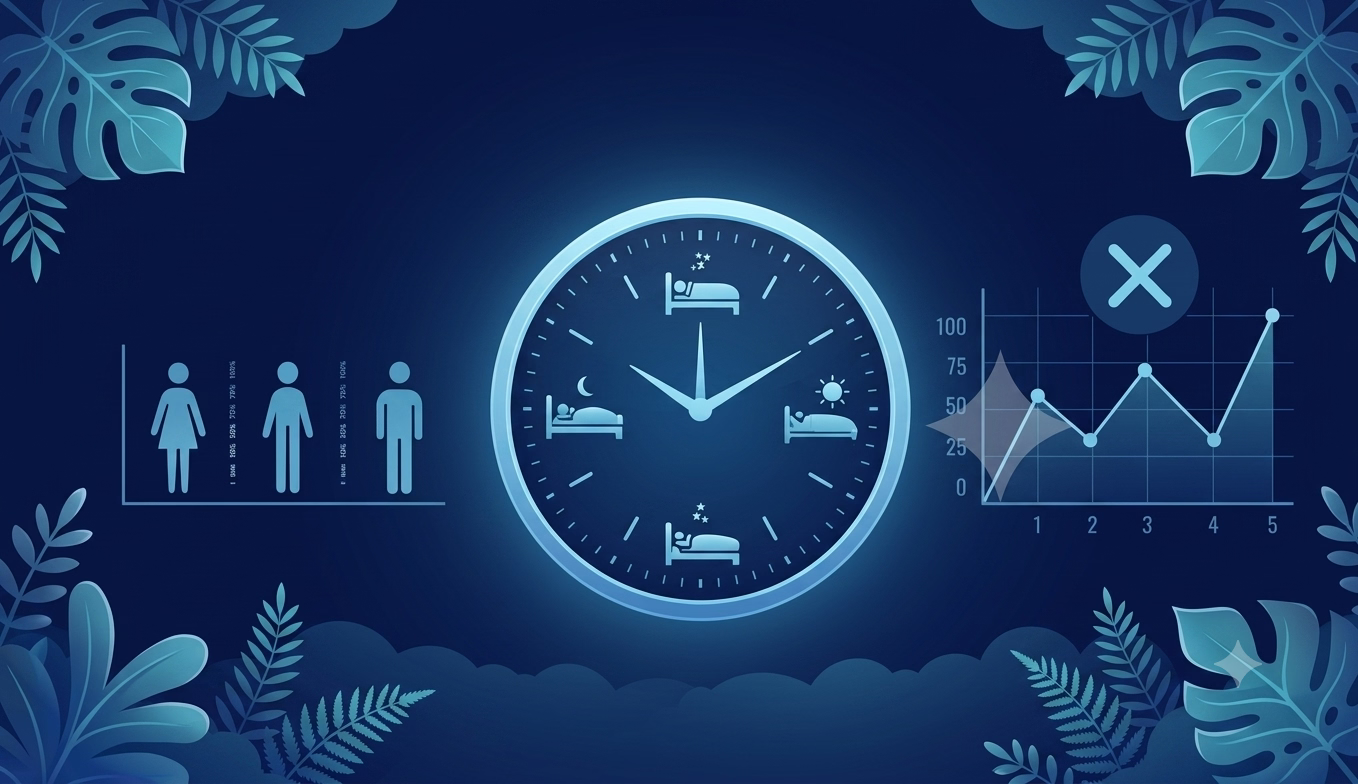
Circadian rhythms — the roughly 24-hour biological processes that help regulate sleep and wakefulness — also change with age. Research suggests that earlier sleep timing is a common feature of aging and that changes in the circadian system can contribute to differences in sleep timing and structure.
These patterns are averages, not rules. Health, environment, daily routines and individual biology can all influence how sleep changes over a lifetime.
Do Older Adults Actually Need Less Sleep?
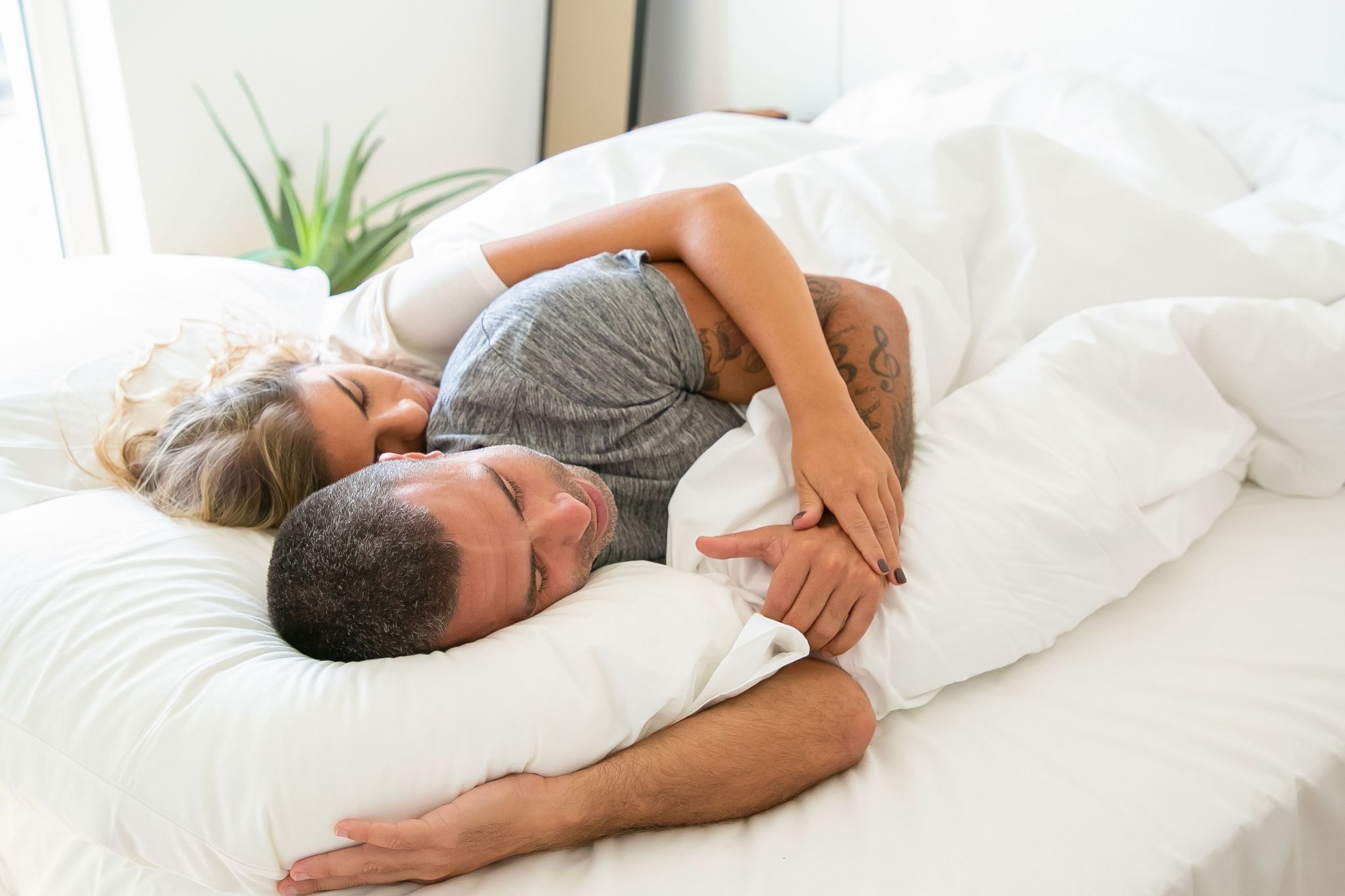
One of the most persistent misconceptions about aging is that older people simply need less sleep. Difficulty obtaining continuous sleep, however, is not the same thing as needing less of it.
The National Institute on Aging says older adults generally need about seven to nine hours each night, similar to other adults. What may change is the ability to get that sleep in one uninterrupted stretch.
A person could spend eight hours in bed but wake repeatedly, struggle to return to sleep or wake earlier than intended. In that case, sleep opportunity and actual sleep may be very different. Sleep needs also vary between individuals, making daytime functioning and sleep quality important parts of the picture rather than relying on one number alone.
Why Sleep Becomes More Complicated With Age
Biology is only part of the story. As people get older, more factors may compete with a full night of continuous sleep.
Changes to the circadian system can lead to earlier sleepiness and waking, while aging is also associated with less robust circadian rhythms. These biological changes can interact with health, routines and environment rather than operating in isolation.
Medical conditions and medications can affect sleep, while chronic pain or discomfort may make it harder to fall asleep or stay asleep. The National Institute on Aging identifies medications and health conditions among factors that can prevent older adults from getting the sleep they need.
Daily life changes matter, too. Retirement, for example, can alter schedules that previously helped determine sleep and wake times. One longitudinal study found that the transition to retirement was associated with changes in sleep duration, bedtimes and wake times. Changes in physical activity, stress and major life transitions may further affect sleep by altering routines and the circumstances surrounding rest.
Nighttime bathroom trips can be another source of interrupted sleep. A 2024 review found that nocturia is associated with poorer sleep quality and duration among older adults.
Sleep disorders also become an important consideration in later life. The National Institute on Aging provides guidance on conditions including insomnia and sleep apnea, underscoring why a problem that appears to be “just aging” may instead deserve evaluation.
The Connection Between Sleep and Healthy Aging
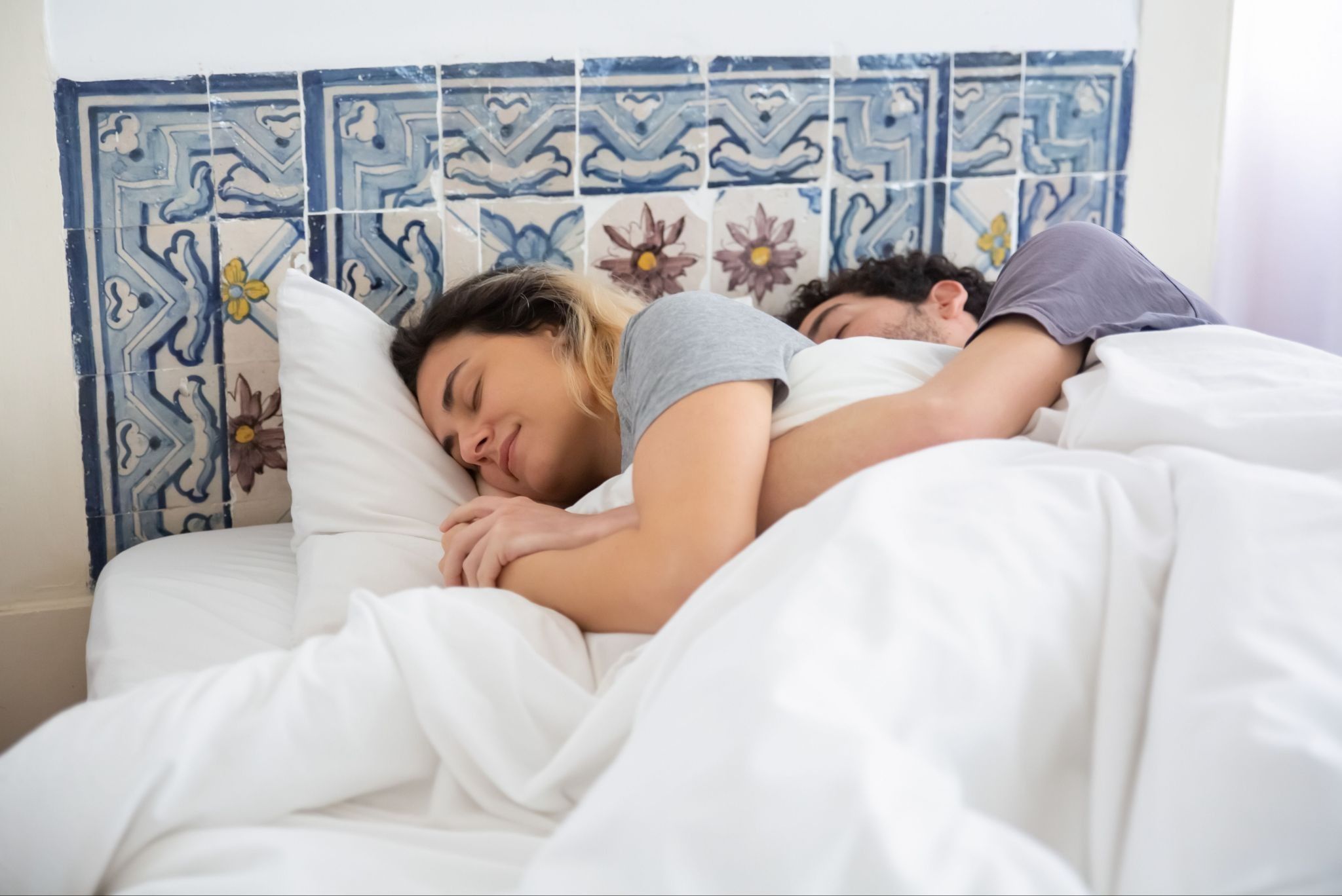
Sleep supports processes important throughout adulthood, from cognition and emotional regulation to physical recovery and immune function. The National Heart, Lung, and Blood Institute explains that sleep helps support healthy brain and physical function, while insufficient sleep can interfere with attention, decision-making and emotional control.
Sleep also interacts with cardiovascular, immune and metabolic function. Ongoing sleep deficiency can affect how the body reacts to insulin, alter the body's defenses against infection and interfere with processes that help maintain cardiovascular health.
Those effects can matter to everyday functioning as people age. Getting enough quality sleep helps people function well throughout the day, while sleep deficiency can slow reaction time, reduce productivity and increase mistakes.
None of this means that improving sleep guarantees disease prevention or longevity. Sleep is one part of healthy aging alongside medical care, physical activity, nutrition, social connection and other factors.
When Is a Change in Sleep Worth Discussing?
An earlier bedtime or occasional restless night does not necessarily signal a problem. Persistent symptoms that interfere with daily life deserve more attention.
That includes ongoing difficulty falling or staying asleep, significant daytime sleepiness, frequent unexplained awakenings or regularly waking unrefreshed despite having adequate opportunity to sleep. The National Institute on Aging advises people who feel tired and unable to function for more than a few weeks to speak with a healthcare professional.
Loud, disruptive snoring, gasping or pauses in breathing during sleep can be signs of sleep apnea. The National Institute on Aging identifies sleep apnea among sleep disorders that can prevent older adults from getting sufficient sleep.
A sustained change in sleep that affects mood, concentration, energy or normal activities is also worth discussing. Rather than assuming a new sleep problem is an unavoidable consequence of getting older, a healthcare professional can help determine whether lifestyle, medication, another health condition or a sleep disorder may be contributing.
Aging Doesn't Have to Mean Giving Up on Good Sleep
Sleep naturally evolves across adulthood. People may become earlier sleepers, spend less time in deep sleep or wake more often than they once did. Those changes can be part of normal aging without making chronically poor or unrefreshing sleep inevitable.
Understanding the difference can make changes in sleep patterns far less mysterious. Healthy aging is not about recreating exactly how someone slept decades earlier. It is about recognizing what the body needs now — and knowing when persistent changes are worth a closer look.