How Sleep Affects Your Relationships More Than You Think
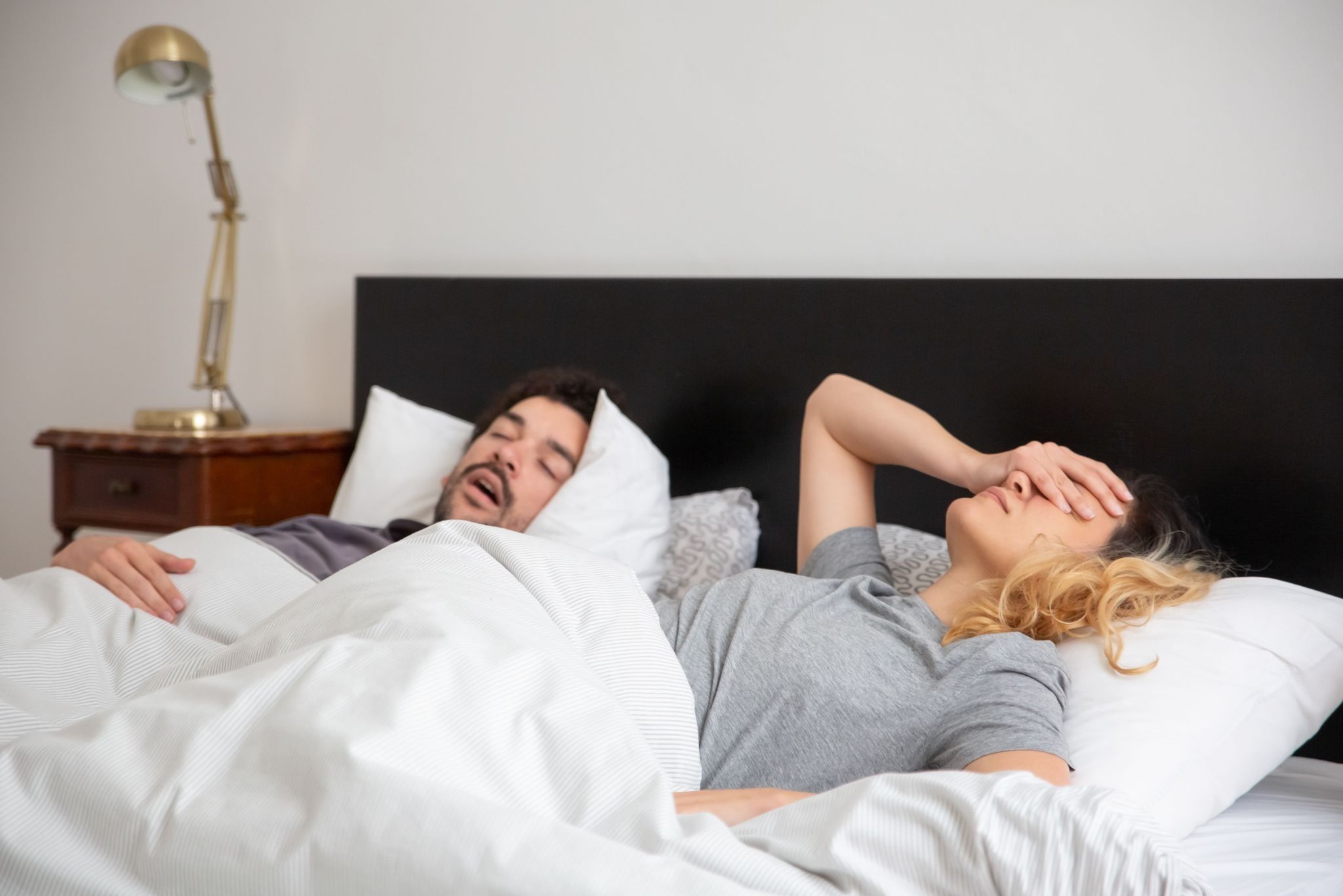
"Waking up on the wrong side of the bed" is often treated as a joke about morning irritability, yet sleep researchers have found that a restless night can alter how people treat those closest to them.
These days, people protect their sleep with the same care they give their diet and exercise, hoping to wake up healthier and more focused. But what often goes missed is how far a sleepless night travels beyond the person who lived through it, into the moods of the people around them.
Psychologist Amie Gordon at UC Berkeley followed more than 60 couples and found that a single rough night of sleep left both partners feeling less appreciated the following day, even when only one of them had slept badly. Gordon also reported that one partner's poor sleep leaves both people feeling grouchy.
Her findings connect with observations from BetterSleep, which has noted that couples often bring different sleep needs to the same bed and one person's bedtime habits may disturb the other's rest. And once that rest is interrupted, the way a tired person responds begins inside the brain, where a full night of sleep helps keep emotional reactions under control.
How Sleep Shapes Emotional Regulation
The relationship between sleep and emotional regulation is a lot more serious than waking up cranky after a rough night. Matthew Walker, director of UC Berkeley's Sleep and Neuroimaging Laboratory, led a study that mapped what happens inside the brain once rest is cut short.
Emotional regulation includes the ability to catch a strong feeling as it rises and slow the reaction it would spark. The brain handles this with two working parts. One part of the brain, called the amygdala, alerts the body when danger may be present.
Another part, called the prefrontal cortex, checks the situation and helps control the response. Sleep helps keep the connection between them working properly. So, after participants stayed awake for 35 hours, Walker’s team found that the amygdala’s response rose by more than 60%, while its connection with the prefrontal cortex had weakened.
Without that rest, Walker said, “emotionally, you’re not on a level playing field,” as the brain has more trouble judging how serious a situation is and keeping the emotional response under control.
Why Poor Sleep Can Increase Conflict

Researchers have spent years studying why poor sleep changes the way disagreements unfold. UC Berkeley psychologists Amie Gordon and Serena Chen followed 78 adults for two weeks and found more conflict after a bad night, even among people who usually slept well.
Their laboratory work then showed what happened once a disagreement began. Couples who had slept poorly brought more negative emotion into the discussion and had greater trouble resolving it.
A related study at Ohio State examined how the body responds during a similar exchange, bringing 43 married couples into a lab to discuss a recurring disagreement.
Janice Kiecolt-Glaser, who directs the university’s Institute for Behavioral Medicine Research, found that couples became more hostile during the discussion when both partners had slept less. Shorter sleep was also tied to a stronger inflammatory response afterward. Kiecolt-Glaser said this type of inflammation is associated with heart disease and other chronic illnesses.
In other words, poor sleep contributes to conflict without accounting for every disagreement or excusing harmful behavior. And with less patience available, a problem may take longer to settle, while the body remains under greater stress after the conversation ends.
Sleep, Empathy, and Communication
One of the most immediate ways poor sleep affects relationships is by making it harder to recognize another person’s feelings and respond with care. UC Berkeley researchers Els van der Helm and Matthew Walker studied 37 young adults to see whether sleep loss changed how well they recognized emotions on faces.
After one sleepless night, participants had more trouble identifying less obvious expressions of happiness and anger. And with those signals harder to catch, a need for reassurance may go unnoticed.
A later PLOS Biology study led by UC Berkeley researcher Eti Ben Simon found that 78% of participants became less willing to help others after losing a night of sleep. Brain scans from the same group showed less activity in regions used to understand what another person may need.
Seeing a situation from another person’s point of view takes attention, and sleep loss leaves less attention available to notice when someone needs support.
The Ripple Effect Beyond Romantic Relationships
Romantic relationships are only one place where poor sleep changes how people treat one another. The strain is especially visible among parents, whose lost sleep may continue for months after a child is born.
Researchers who followed 153 mothers found that shorter or more broken sleep was linked to less positive parenting during observed time with their children. And mothers who took longer to fall asleep also reported greater difficulty with parenting.
Outside family life, exhaustion may appear through canceled plans or unanswered messages. UC Berkeley researchers found that sleep-deprived adults withdrew farther from other people and were rated as lonelier by outside observers, who showed less interest in spending time with them.
Similar effects follow people to work. Research led by University of Washington professor Christopher Barnes found that managers who slept poorly treated employees more harshly the next day, while engagement fell across their teams. Protecting sleep therefore supports the daily effort required to care for children and stay connected to other people.
Building Better Relationships Starts with Better Sleep
The reality is that 50 to 70 million Americans have sleep disorders, while one in three adults do not regularly get the uninterrupted sleep their health requires. Building better relationships starts with better sleep, and one practical place to begin is waking at the same time each day, including weekends.
Sleep experts with the American Academy of Sleep Medicine recommend a consistent wake time as part of a regular sleep schedule. And a regular wind-down can then keep work email or a difficult conversation from delaying bedtime.
Couples may also need to address mismatched schedules or loud snoring if either one repeatedly loses sleep. But persistent sleep trouble deserves medical attention, and the American College of Physicians recommends cognitive behavioral therapy for insomnia as the initial treatment for adults with chronic insomnia.
Receiving the right treatment often improves sleep over time, giving people more patience to handle daily stress without carrying exhaustion into each relationship and conversation.
Conclusion: What This Means for Emotional Well-Being
Without enough sleep, emotional well-being and physical health both suffer, and the people nearby often feel the effects. Researchers who study sleep and mental health now describe the connection as two-way. They found that anxiety and depression can make sleep harder, while ongoing sleep problems may also increase a person’s risk of developing those same conditions later on in life.
But sleep alone cannot repair a relationship or replace care for deeper emotional pain. Still, treatment offers reason for hope. Brooke Judd, section chief of sleep medicine at Dartmouth Hitchcock Medical Center, has said that poor sleep patterns “can be unlearned,” and ongoing research is helping clinicians understand how to treat them more effectively.
Better rest may give a person more time to pause before reacting and calm down more quickly after a stressful day. And with more control over how they respond, a difficult conversation is less likely to end with words that require an apology the next morning.