What is White Noise and How Can It Help You Sleep Better?
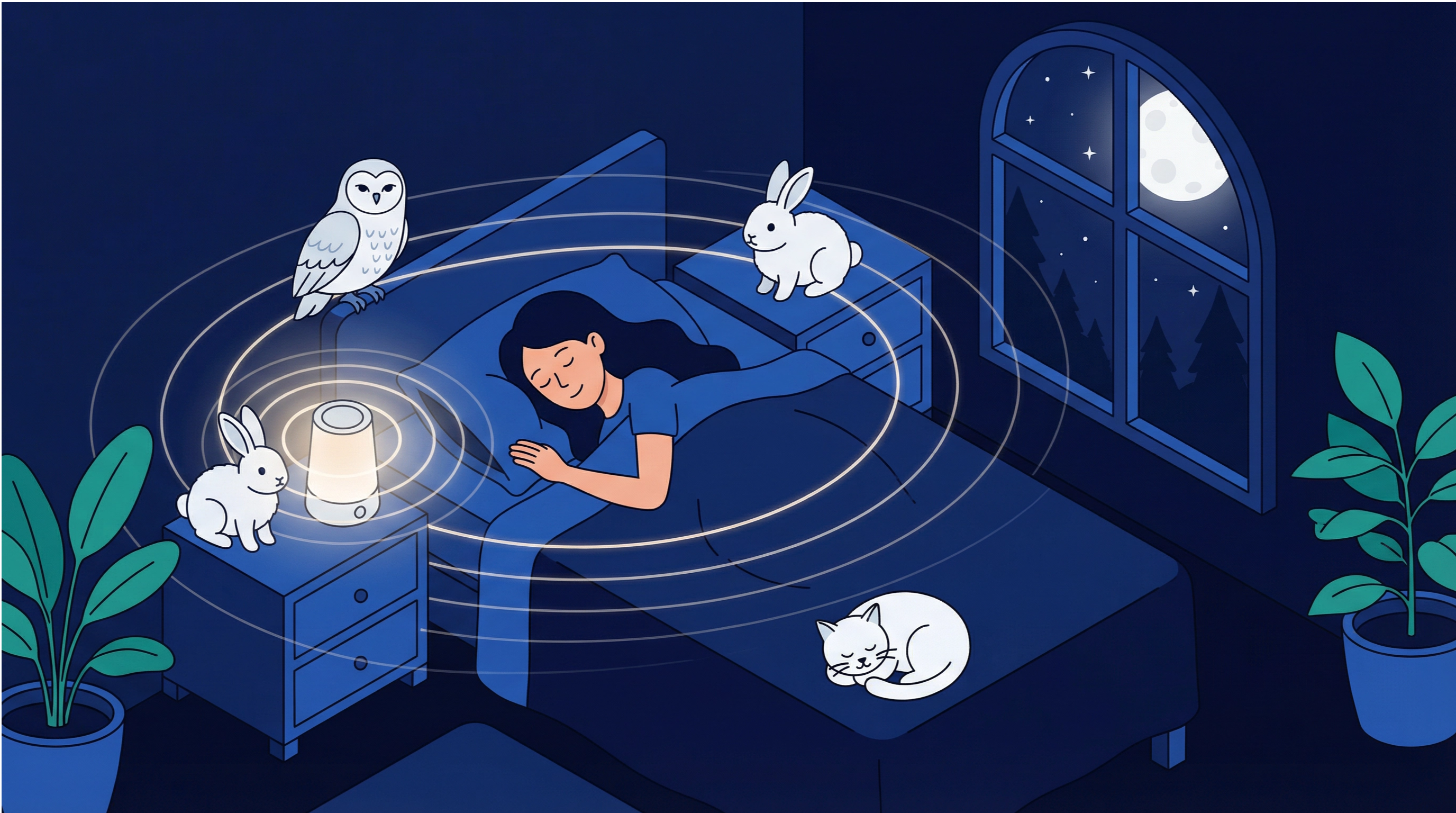
White noise helps you sleep better primarily through its powerful sound-masking effect. During sleep, our brains remain sensitive to sudden changes in ambient noise—a door slamming, a dog barking, or traffic sounds—and these sharp, unpredictable disruptions can easily rouse a person from sleep, even unconsciously. White noise creates a consistent, monotonous blanket of sound that effectively covers up these sudden disturbances, making them less jarring to the brain and allowing for more stable, uninterrupted rest.
Beyond masking external noise, the steady hum of white noise can help quiet an overactive mind by providing a passive, non-engaging sound to focus on instead of racing thoughts or anxiety, helping the brain wind down and transition into a state conducive to sleep.
When incorporated into a nightly routine—such as reading a book before turning on a white noise machine—it signals to your brain and body that it's time to rest. Over time, your brain learns to associate the sound with sleep, making it easier to both fall asleep and stay asleep. Research supports these benefits, with some studies finding that white noise can help people fall asleep faster (reducing sleep onset latency), particularly for those living in high-noise environments.
What Is White Noise?
You’ve probably heard of white noise before, but what actually is it? Simply, white noise is a sound produced by combining all tones on the audible spectrum. Humans can hear noises between 20-20,000Hz (hertz) and white noise is a sum of all those frequencies. Frequency refers to the number of times a sound wave vibrates in a single second. For example, a violin’s A string vibrates 440 times per second, giving it a frequency of 440Hz. Here are some other common frequencies, for comparison:
Sound Source
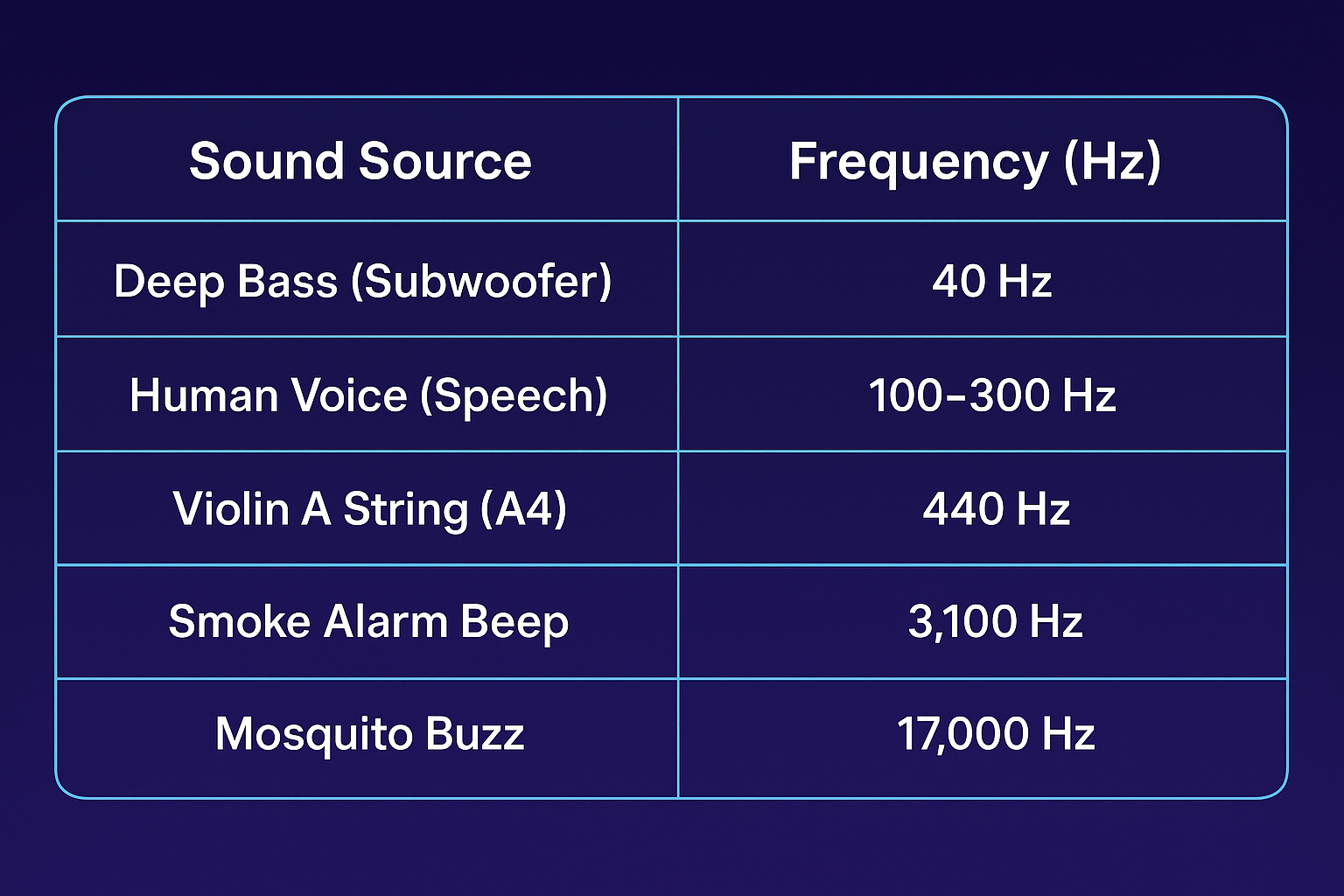
As you can see, the higher the sound, the higher the frequency. White noise takes all audible frequencies and merges them into one steady, level sound. It has been described as a staticky sound, or a consistent “shhh”. Other colors of sound exist, as well, and are notably beneficial for different reasons.
Different Colors of Sound
Brown noise is a combination of all frequencies, but with a focus on the lower tones. People describe brown noise as a cozy, grounding sound, similar to that of thunder or a shower. Brown noise is known for its calming effects, with many listeners saying that it leads to a deep sense of relaxation. One user even described it by saying, “I just feel like my brain is being hugged.” It has also been shown anecdotally to help listeners concentrate on tasks, especially those with ADHD or other attention difficulties.
Pink noise falls between white and brown on the spectrum, and is a softer, lower sounding version of white noise. Like brown noise, it still encapsulates all frequencies perceptible by the human ear, but the intensity drops as the octave increases. This means that pink noise focuses more power on the lower tones, giving it a deeper sounding pitch. Science is paying close attention to pink noise, as early studies show that listening to pink noise overnight can have a positive correlation to memory retention. In this Northwestern University affiliated study, older adults who listened to pink noise overnight showed a 26.8% improvement in memory recall the next day.
Green noise is a slightly different variation, with the lowest and highest frequencies removed from this sound. Green noise generally hovers between 500-2,000Hz and is known colloquially as “the frequency of nature” because of its overlapping frequency with many natural sounds. Nature sounds have long been a medically supported way to promote calm and healing, and green noise shares the same frequency pattern as many sounds found in nature. Though more research is needed to prove the efficacy of green noise in a clinical setting, users report that green noise is a soothing way to get more restorative sleep.
White noise is the original colored noise. Just as white light is a sum of all wavelengths of visible light, white noise is a combination of all the frequencies we can hear. Because it encompasses so many different frequencies, white noise is excellent at covering up other environmental sounds. It provides a stable, simple sound, which has been clinically proven to help with various aspects of sleep. For a sample of white noise, listen here.
How Does White Noise Work?
White noise works best with a few distinct sleep-related issues. First, it can mask sounds that may disrupt sleep. Second, white noise may give a busy brain a single, consistent sound to focus on, helping people with anxiety or other bedtime problems fall asleep faster. Finally, white noise has been shown to reduce micro-awakenings at nighttime, helping users get a more stable and rejuvenating sleep.
Sound masking is one of white noise’s most notable superpowers. By overlapping with the frequency of other noises, it helps to disguise or “bury” them in its stable soundscape. The sound of your neighbors walking on the floor above you will be much less distinguishable when covered up by white noise. Additionally, white noise reduces the signal-to-noise ratio, helping to make environmental sounds seem less jarring when compared to the sound of the white noise. For example, if the room you’re in is completely silent, the sound of a door slamming will stand out more; in a room with quiet white noise, the slamming door will feel quieter, relative to the background audio.
Anyone who’s ever laid awake wishing for sleep to overtake them understands that our busy minds don’t always cooperate at bedtime. For some people, it’s falling asleep in the first place. Others are able to fall asleep initially, but wake during the night and have trouble getting back to sleep. Anxiety about bedtime only exacerbates the problem, throwing folks into a hard-to-break cycle of wakefulness. In either case, white noise can help. White noise provides a single auditory focus, giving restless minds a neutral sound to fixate on. Focusing on one simple audio stimulus may give your fidgety mind a soft place to land, helping you drift off to sleep sooner than expected. Need some other strategies to help calm an anxious mind at bedtime? Try:
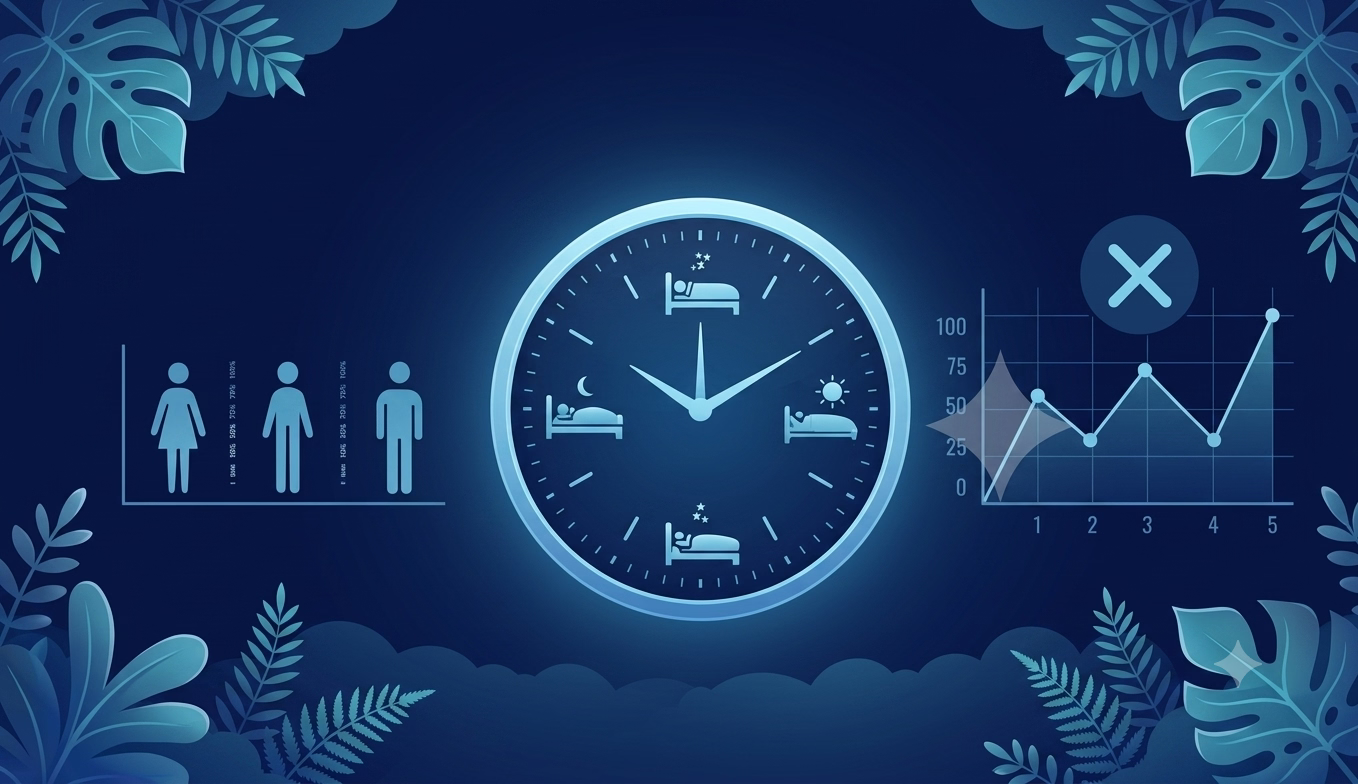
Consistent bedtime and wake up time: experts agree that falling asleep and waking around the same time every day is an important part of good sleep hygiene. Dr. Rebecca Robbins, sleep researcher at Harvard Medical School and author of Sleep for Success! is quoted saying that “keeping a consistent fall asleep and wake schedule allows our brain to know when we want to be tired and when to be alert. In other words, when we keep our sleep times consistent, our internal circadian rhythm becomes more efficient, and subsequently, we are able to fall asleep faster and better consolidate our sleep.” Varied bedtimes can send our circadian rhythm out of whack, but keeping your schedule steady can do wonders for the health of our natural rhythms.
Bedtime routine: It may sound too simple, but bedtime consistency can be a great way to help your brain and body recognize that sleep time is coming. Bodies learn subconscious patterns, so following the same steps night after night will help stamp your established routine into your subliminal message center. Think of it as classically conditioning your brain to think “oh look, it’s time to fall asleep,” without having to say anything.
Breathing exercises: Simple breathing practices can do wonders to calm a racing mind. It sounds silly, but many of us actually forget to breathe deeply during the day. Have you ever taken a big, deep breath, only to realize you’d actually been shallow breathing for quite a while? Your nervous system will thank you for taking some time to slow down and actually breathe, in whatever cycle you like. Perhaps you prefer counting your breaths, seeing how long you can exhale, box breathing, or another strategy that appeals to you. Whatever you choose, as long as you’re getting more oxygen to your lungs and giving your mind something productive to focus on, you’re sure to feel more relaxed within a few minutes.
Mindfulness practices: While breathing exercises alone are wonderful, adding in a little more mindfulness can help calm an anxious mind even more. Mindfulness can take many forms; it is the practice of intentionally tuning into the present moment. Some folks call it “being in the now.” Mindfulness can look like journaling, body scans, focusing on breath, or meditation. Though it might seem daunting at first, BetterSleep offers hundreds of guided meditations for you to try whether you’re new to meditation or a seasoned pro.
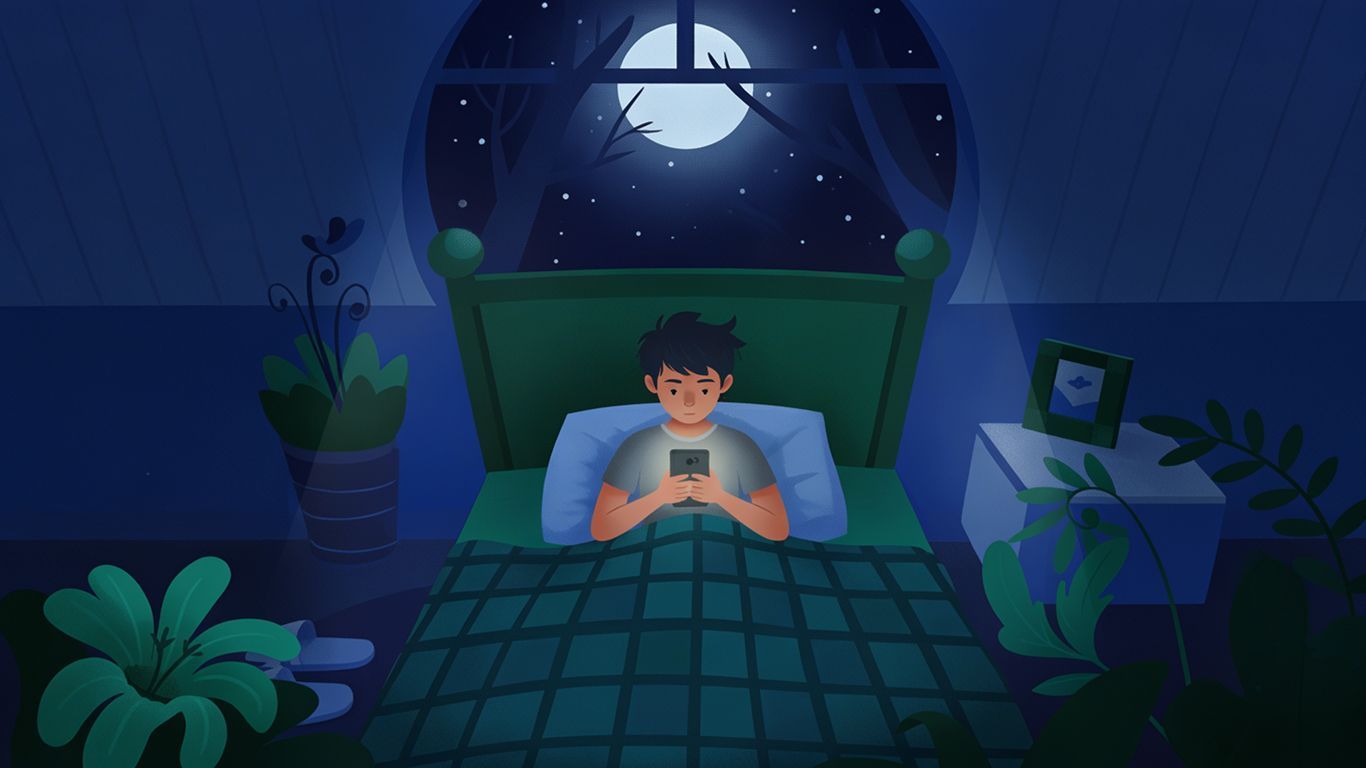
Reduce screen time before bed: While technology has many important and practical uses in our everyday lives, it can be a major adversary against restful sleep. According to an American Academy of Sleep Medicine survey, 45% of Americans reach for their smartphone when they have trouble falling asleep. Scrolling on social media, answering messages or work emails are among the worst ways to switch your brain into sleep mode. Relying on technology before bed means that the blue light from our devices keeps our brains wired, causing extra engagement instead of lulling us to sleep. It’s hard to disconnect 100%, but using your phone as a tool is not the same as doomscrolling for an hour before bed. It’s fine to use your device’s alarm clock or sleep app, but do your best to avoid anything stimulating, including messages and games. The top expert recommendation for a pre-sleep activity? You guessed it–read a book. Reading has been shown to calm the nervous system in as little as 6-7 minutes, and is a built-in way to keep yourself away from screens.
Psychoacoustic Effects of White Noise
Nighttime noises can jolt us out of even a deep sleep, but white noise can help. The psychoacoustic effects of white noise are part of what makes it such an effective sleep strategy. The term “psychoacoustic” means the way in which our brains process and perceive sound. While white noise effectively masks sound, it also changes our brain’s reaction to noises in the environment, helping it stay safely in “rest and digest” mode instead of entering the “fight or flight” state. Our brains are fundamentally designed to ensure our safety. Loud noises in our surroundings have historically been a cause for alarm–our brains have a compulsion to wake us up in order to make sure we don’t meet an untimely end! But in this day and age, we experience environmental noises from (mostly) non-life-threatening circumstances. Too bad our primal brains don’t recognize that. Fortunately, when we hear the low-stimulation sound of white noise in the background, disruptive noises don’t seem as loud to our brains, allowing us to stay in our comfort zone. Because the brain doesn’t perceive the sound as heavy, our delicate sleep state can remain intact.
Science-Backed Benefits of White Noise
Anecdotally, we know that white noise is a great sleep aid. But is this really backed by science? We’ve done a deep dive into how white noise can be beneficial and are ready to share the findings. Read on to learn the ways in which white noise can help with stress reduction, concentration, and sleep quality, which leads to overall health.
Stress Reduction Effects
White noise has been shown to reduce stress by more than one mechanism. First, listening to white noise at bedtime reduces the sensory overload that some people experience at bedtime. It gives the brain one consistent thing to focus on, helping calm and quiet the mind. White noise has also been shown to reduce heart rate in elderly patients, specifically those undergoing medical treatments in the Cardiac Care Unit. When compared to a control group, people listening to white noise showed a statistically significant reduction in heart rate.
Focus and Concentration Benefits
Imagine trying to concentrate on a mentally demanding task and being constantly interrupted by noises, wandering thoughts, and other attention-pulling factors. Keeping your focus on a singular task can be tricky even when you’re alone in a quiet room. Working while distracted is a recipe for disaster, but white noise could be the solution you’ve been looking for. White noise is excellent at sound masking, making it a great study or work aide. Drowning out disturbances in your environment can help your brain concentrate on the task at hand. White noise can also reduce cognitive load by blocking out those interruptions, leading to overall better focus. For some folks, especially those with lower baseline attention spans, soft white noise can offer a low, random sensory input that helps them focus more on a specific task. This was studied by comparing the effects of white noise at different volumes, as compared to the normal ambient noise of an office. The study found a correlation between better results on focused tasks, but only when the white noise was kept at 45dB (decibels). When the volume was higher, there were no statistically significant improvements.
Sleep Hygiene vs. Overall Health
It’s no secret that better sleep leads to better health. But how can white noise help? When speaking about physical health, poor sleep practices are linked to lower immune function, heightened risk of cardiovascular diseases, increased weight and hormonal imbalances. Sleep deprivation (from not getting enough hours or because of poor quality sleep) can cause serious health concerns. It can also wreak havoc on a person’s mental health. Conversely, good quality sleep helps us thrive. And as you’ve read so far, white noise can help a person achieve deeper and more restful sleep. If you’re looking for ways to support your overall health, you don’t have to dive into fad diets, supplements and every little fitness tweak you’ve heard from TikTok influencers. Sleep is more important than any of those! White noise might just be the secret to your best sleep ever, an elemental building block of your overall health.
White Noise for Sleep: Research & Evidence
White noise is starting to sound like a dream, right? But how can we be so sure that it’s effective? Anecdotal evidence only takes us so far, but luckily there’s heaps of research to prove how white noise can help lull you into a more peaceful slumber.
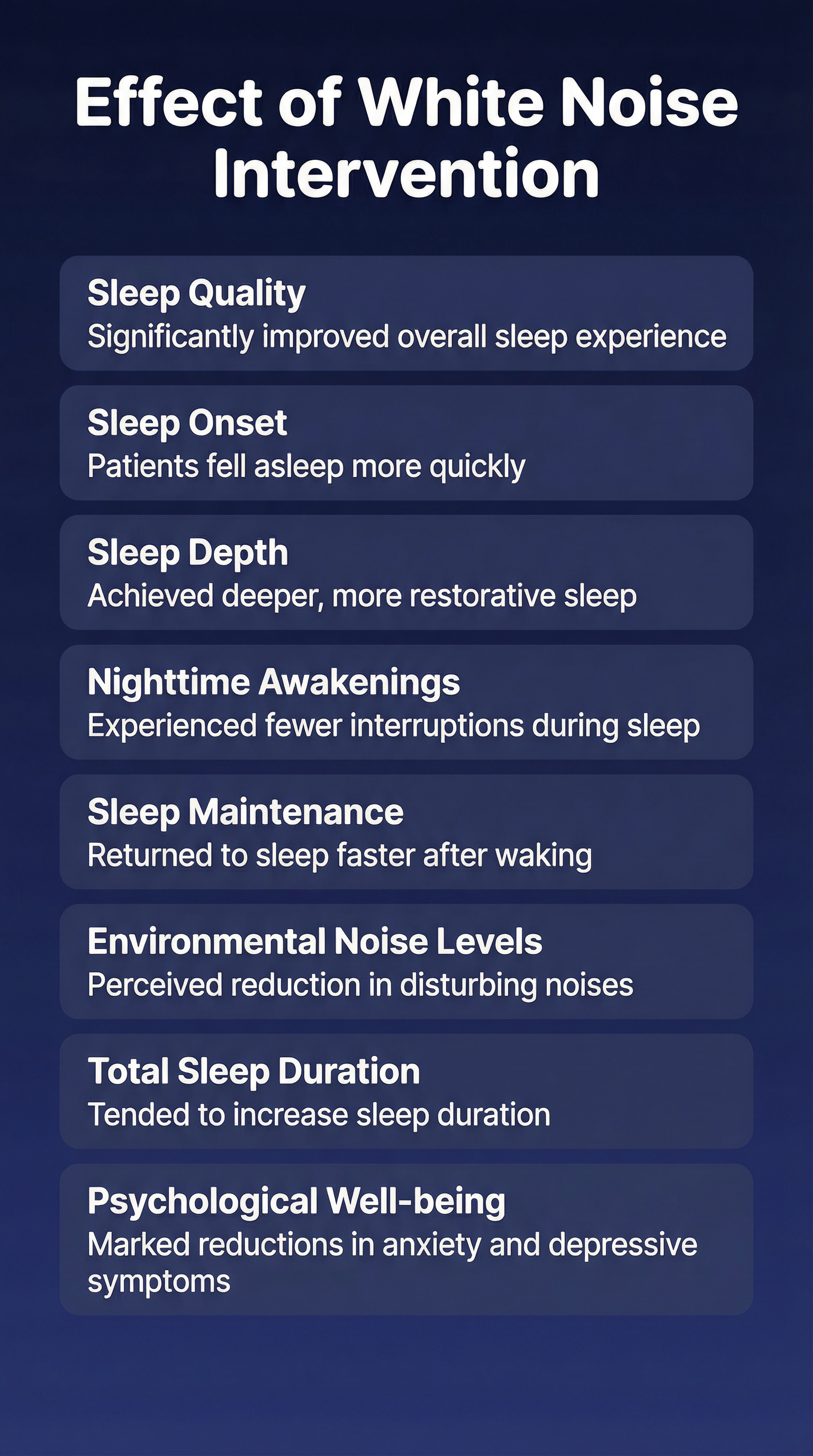
A study of undergraduate students with anxiety and depression showed significant improvements in sleep onset and anxiety symptoms. Out of 110 students, all received Cognitive Behavioural Therapy (CBT) services, but only 60 were also treated with white noise. The findings indicate that both groups experienced improved sleep markers, but those who listened to white noise showed statistically significant sleep progress when compared to the control group. The authors of this study note that “the possible reason is that white noise with a uniform frequency can stabilize brain nerve activity, reduce awakening times, and prolong total sleep time.” It is important to note that these trials were conducted with medical supervision and that CBT was an essential aspect of the treatment. White noise is not a replacement for medical advice; if you think you have a serious sleep or mental health disorder, please speak to your doctor directly.
City-dwellers are particularly well-matched targets for white noise. Folks who live in cities are constantly exposed to environmental clamor, from neighbors to traffic and everything in between. Sirens wail, dogs bark, babies cry and people wake up. One study from Weill Cornell Center for Sleep Medicine in New York City looked at the efficacy of white noise in a loud city setting. Researchers equipped each participant with a wrist-worn device to measure movement throughout the night and determined that listening to white noise before and during sleep allowed the subjects to fall asleep faster and wake less frequently during the night. As we see from this study and others, white noise provides a peaceful backdrop, drowning out disruptions before they can affect your sleep.
Another study on white noise showed a correlation that broadband sound (white noise) could help people with insomnia fall asleep faster. To simulate insomnia, researchers sent study participants to bed 90 minutes before their normal bedtime. The study participants reported that they fell asleep 38% faster when using white noise, as compared to no sleep aid. They were able to reach Stage 2 sleep (keep reading for more information on the Stages of sleep) an average of 6 minutes faster. This may not seem drastic, but given that Stage 2 sleep is generally reached after 5-10 minutes, it is a significant finding. The study shows that sleep onset time can be supported by using white noise.
White noise has also been tested in hospitals to check the efficacy of this common sleep aid. Numerous studies exist in relation to white noise’s impact on sleep, specifically in different hospital environments. One meta-analysis of the research showed consistent findings, delving into 9 different studies with nearly 800 participants.
There are many metrics with which we can measure the efficacy of white noise on sleep, but the best way to know if it will work for you is to try it yourself. BetterSleep offers a free trial for users who wish to get to know the app, risk-free, before making a commitment.
What are the Stages of Sleep?
Before being able to fully understand the benefits of white noise, it’s important to understand the different stages of sleep. Sleep stages are categorized into 2 distinct types: Non-REM and REM sleep. REM (Rapid Eye Movement) is a commonly used term that refers to a level of sleep where the eyes move quickly behind the eyelids, heart rate increases, and brainwaves are more active. Non-REM sleep encompasses the first 3 steps in the sleep cycle.
Stage 1 (N1): Think of this light sleep stage as the period of “drifting off,” when you’re in between sleep and wakefulness. This stage isn’t considered very restful, but typically only lasts for 10 or so minutes, while a person is heading toward stage 2. Noises can be very irritating during this time and can easily jolt you out of delicate N1 sleep.
Stage 2 (N2): Another light phase of sleep, N2 is the stage where you’re officially considered asleep. The heart and breath rates slow, and muscles begin to relax. Brainwaves also slow down and the body temperature drops. This phase is harder to wake from, but sudden noises can rouse you from this stage of sleep.
Stage 3 (N3): Stage 3 is deep sleep. Brainwaves are as slow as they can get, heart rate and breath rate are significantly reduced, and the muscles are relaxed. This is the phase of sleep that is crucial for deep, restorative sleep. Tissue and cell repair occur at this level, making it an essential stage for both growth and healing. This stage typically lasts between 20-40 minutes, and it’s very difficult to wake up while in this phase of sleep.
Stage 4 (REM Sleep): REM Sleep, or Rapid Eye Movement sleep, is marked by an increase in heart rate and brainwave activity. It is so named because the eyes move quickly behind the eyelids during sleep. This is the stage where we dream most deeply, and if you’re the type to remember your dreams, it’s likely because you woke up straight out of a REM cycle. This phase usually begins 70-90 minutes into a sleep cycle and lasts anywhere between 10 minutes to an hour.
Sleep cycles generally occur between 4 to 6 times per night and usually last between 90-120 minutes per cycle. When we wake up feeling rested, we can assume that we’ve been through all the sleep stages several times without major interruptions. However, we’ve all experienced a bad night of sleep, and understand the feeling of being woken against our will. Supporting your sleep cycle with healthy day- and nighttime habits can make a world of difference when it comes to getting restful sleep, and white noise is a great way to do just that. White noise is most effective in the N1 and N2 phases, since we are more susceptible to waking up from noise disturbances during those stages. It can, however, support healthy sleep in all cycles, whether REM or Non-REM.
White Noise vs Other Colored Noises
White, green, pink…what is it with this rainbow of colored noise? Which one is the best choice? Though it might sound confusing at first, there’s a whole spectrum of sound colors just waiting to be discovered. Follow along as we guide you through the vibrant world of colored noise.
White Noise, the original colored noise, includes all audible frequencies of sound. It encompasses frequencies from around 20Hz all the way up to 20,000Hz, which is the range humans are able to hear. Thus, white noise has a consistent, layered sound. It’s often compared to TV static with its steady, shushing tone. White noise’s major superpower is sound masking–since it incorporates so many varied frequencies, it hides sound very well and covers up unwanted noises in the environment. In addition, white noise is effective at encouraging sleep onset and deeper sleep. Although white noise has been studied more extensively than its colorful counterparts, it’s not a surefire crowdpleaser–some folks find white noise to be too intense or “hissing” for their liking. For those people, some of the following colors might be more preferable.
Pink Noise is a variation of white noise, but with less focus on the higher frequencies. It still contains frequencies from 20-20,000Hz, but decreases in intensity as the pitch goes up. Because more emphasis is placed on the lower frequencies, the tone of pink noise sounds deeper, even if it technically contains all frequencies. Pink noise has been studied in correlation with memory retention and concentration support. Its scientifically supported claim-to-fame is that using pink noise overnight was shown to help older adults consolidate memories and enter deeper brainwave states, helping them feel more rested the next day. Listeners describe pink noise as a gentler sound than white noise, sometimes comparing it to the sound of rainfall or a waterfall.
Brown Noise is the cozy sweater of sound colors. Brown noise encapsulates the same frequencies as the previous two colors, but is twice as low-frequency-focused as pink noise. It’s a much lower-sounding tone, often described like heavy rain or thunder. Brown noise often evokes feelings of calm and comfort, the way a person might feel under a warm blanket while listening to a rain storm. Because brown noise is often described as more soothing than white noise, it is ideally suited for deep relaxation and promoting calm. Though brown noise hasn’t been studied as much as white noise for sleep-related support, listeners note that it’s a warm and cozy sound color that helps them wind down and relax before bed.
Green Noise is another variation of white noise, but the mid-range frequencies are amplified. Green noise hovers between 500-2,000Hz and is a gently undulating sound, often evoking natural sounds. Because its frequencies overlap with many naturally occurring sounds, such as leaves rustling, gentle waterfalls and ocean waves, green noise is a fan favorite for promoting relaxation and mindfulness. Just as the sounds of nature have a calming effect on the human body, green noise’s mid-range frequencies can elicit similar feelings of peacefulness. Many users appreciate the gentle, mild tones of green noise, favoring it for carving out moments of mindfulness throughout the day. Wellness practitioners often use green noise as well, noting that it promotes a sense of calm and serenity.
Practical Implementation Guide
Now that you’re up to speed on all the ways white noise can help you sleep better, here’s the info on how best to implement it into your daily (or nightly) routine.
How to Use White Noise
This is a deeply personal choice since folks use white noise for lots of different reasons. Some listeners utilize white noise as a part of their bedtime routine, while others might use it as background noise for intense study or work sessions. Here are some suggestions for the most common uses of white noise, but keep in mind that this is just a guide. You can use white noise in any way that works for you!
Bedtime Routine: As part of a healthy bedtime routine, white noise can help you fall asleep faster, stay asleep longer and boost the rejuvenating power of your sleep cycles. If you’re interested in incorporating white noise into your pre-sleep routine, try adding some white noise as a background sound 15-30 minutes before turning the lights out. The consistent, ambient sound can help your brain wind down and enter a mindful, meditative state. Some people like to use white noise for a short period before bed, while others prefer to use it all night long.
All-night Soundscape: If you’re looking for deeper support with your sleep cycle and need something to drown out background noises in the environment, listening to white noise all night might be advantageous. As your after-hours soundtrack, white noise can mask unwanted sounds and help prevent you from waking up mid-sleep. Simply turn the white noise on as your head is hitting the pillow and let it play through the night. Just be sure to check out our safety guide in the next section to ensure you’re protecting your ears from damage.
Focus Support: The listening time depends on the type of work you’re doing, but many users report having success with 30-90 minute blocks of white noise for concentration support while studying or working. White noise can both mask background sounds and help the brain laser-focus on a single task by blocking out other disturbances.
Anxiety Relief/Relaxation: If you’re feeling overwhelmed or just need a few minutes of calm throughout the day, white noise can be a great tool to help soothe your mind. Spending 15-30 minutes of your day listening to white noise, especially when paired with breathing techniques or meditation, can serve as a much-needed mental break in your busy life.
Device Selection Guide
No matter what your reason for listening to white noise, you’ll need to find the right tools for the job. We’ve taken the guess-work out of this decision and have all the best tips for finding the best way to listen, accounting for all your personal preferences.
White noise machines are a dependable classic choice for listening to white noise, and have been marketed to the public for around 70 years. As opposed to the original machines, new technology allows for much more personalization with these gadgets. White noise machines usually come with a few different sound options, perhaps including one or more alternative colors of noise, and often equipped with a small selection of nature sounds. Depending on their price point, some white noise machines come with timers, gradual fade-out features, and battery powered vs. plug-in options. One major downside to classic white noise machines is that the only sounds available are those pre-programmed into the machine. It isn’t possible to add or change tracks, and some listeners want all the variety they can get their hands on. White noise machines don’t always come with a headphone jack, so listening privately may be an issue for people who share a bedroom with another person.
Smart Speakers can be a great option for those wanting to connect a bluetooth-enabled device to access their white noise. These speakers can be paired with apps, or can play directly from a website. Because of this, devices can be kept at a distance from the bed, which some folks prefer. While smart speakers are an easy way to access your music or soundscapes, they require everyone in the space to agree on the audio. Those sharing a space with others may want to consider more personal devices as not to disturb others.
Headphones are ideal for couples or people with roommates as they allow for private listening, but may present some comfort concerns. Over-ear headphones usually provide superior sound quality, but aren’t always comfortable for sleeping. Conversely, in-ear headphones or earbuds may be more comfortable for sleep, but can compromise on audio quality. Headband headphones are often a favourite for those who want to listen to white noise at night since they are designed for comfort and overnight use.
BetterSleep App
Whatever your listening preferences, the BetterSleep App is the one-stop shop for all your nighttime needs. This market-leading app delivers everything (including what you never knew you needed) related to sleep. BetterSleep offers a state-of-the-art sound mixer, in which users can layer different audio tracks on top of one another, controlling the volume and intensity of each individual sound to craft the perfect nighttime soundscape. You can become your own sleep DJ by creating personalized playlists of your favorite sleep sounds, including white noise. Not only this, BetterSleep boasts an industry-leading Sleep Tracker, a library with over 200 guided meditations and sleep stories, and science-backed advice for every sleep concern you can think of. But why just read about it? Download the BetterSleep App’s free trial and start getting the kind of sleep you’ve only ever dreamed of!
Safety Considerations & Best Practices
White noise is a generally safe sleep intervention, but there are certain considerations to be conscious of, especially when using white noise with children or babies. Read on for a better understanding of how to protect yourself and your loved ones while listening to white noise.
Hearing Safety Guidelines
Most of us are aware that loud sounds can damage our hearing over time, but what are the actual safe levels? According to the Hearing Health Foundation, volume should be kept under 70 decibels for the well-being of our ears. This is especially important for long-term listening, when we can multiply the harm over an extended period of time. Experts at the Foundation mention we should be especially careful with headphones, as they are directly in our ears and it’s easy to overload our hearing capacity. For overnight use, experts recommend keeping the volume under 50 decibels, or even lower, if possible. If you’re using white noise to help your children or babies fall asleep, it is essential to keep the volume even lower to consider their sensitive, developing ears. Researchers at the American Academy of Pediatrics warn that parents need to be extra careful when using white noise with children and infants. Their auditory systems are in a delicate developmental state, and harsh noises can do permanent damage to these susceptible structures. Start with the volume as low as possible for children and babies, around 30 decibels, and increase it one degree at a time to achieve the desired volume. The general rule of thumb is: the softer, the better.
Dependency Prevention
While it is considered generally safe, it is possible to become dependent on white noise to fall asleep. This refers to people who are incapable of falling asleep without white noise in the background. Though it isn’t ideal, white noise dependence is generally reversible and doesn’t usually cause long-lasting harm. The best way to avoid dependence is to try to fall asleep on occasion without the use of white noise. You can try replacing it with a different sound to mix things up, or simply try to let yourself fall asleep without any sleep aid. As with any intervention, it’s important to use white noise mindfully and support yourself as best you can by pairing sounds with other sleep cues, like dim lights and screen-free time before bed.
Conclusion
Whether you’re seeking better sleep, stress reduction or help focusing on tasks, white noise may hold the key to your success! As a tried-and-true favorite for several decades, white noise has helped countless people sleep better and may be the solution you’ve been dreaming of. BetterSleep is only a few clicks away–start your free trial today and get on your way to peaceful, rejuvenating sleep.
Frequently Asked Questions
What is white noise?
White noise is a sound created by combining different sound frequencies. The tones combine to form a steady, consistent sound that is often used as a sleep aid. Listeners enjoy white noise for its sound masking qualities, as well as its ability to help them fall asleep faster and stay asleep longer. White noise is also frequently used as a study aid, as it can help with focus and concentration.
How does white noise work to block out background sounds?
White noise masks background sound by overlapping with different frequencies of sound, helping it blend into a harmonious soundscape. Since white noise encompasses all audible frequencies of sound, it can help disguise environmental noises whether they’re high or low tones. White noise is especially useful at blocking nighttime disruptions that may wake people from sleep, allowing them to complete more restful sleep cycles.
Is white noise scientifically proven to improve sleep quality?
Yes, there are many studies that show the efficacy of white noise for sleep onset and maintaining sleep. Research has been conducted in a variety of settings to show that white noise can help with stress reduction, sleep onset latency, staying asleep and masking sound disruptions in the environment. White noise has been used for decades as a way to help people fall asleep and get more hours of uninterrupted sleep.
What are the benefits of using white noise for sleep and relaxation?
Not only can white noise help you fall asleep faster, it can aid in keeping you asleep longer. By blocking background noises that might otherwise wake you up, white noise helps maintain a healthy sleep cycle. White noise can also be used to help promote relaxation by giving the brain a soothing, steady sound to focus on. Additionally, white noise is often used as a study aid to help maintain concentration and focus.
How does white noise compare to pink noise and brown noise?
White noise is the original sound color, but pink and brown noise are becoming increasingly popular in the colored noise space. White noise is a steady tone that incorporates all audible frequencies of sound at once. Pink noise is a version of white noise, but with the intensity of the highest frequencies turned down. Brown noise is an even more drastic variation on pink noise, with those high frequencies decreased even more. White noise is the most widely researched of the colored sounds, but may sound sharp or hissing to some people. While pink noise is a bit more mild, often compared to a waterfall or steady rain, brown noise is the deepest sounding of all, akin to thunderstorms or heavy rain.
Can white noise help with falling asleep faster and staying asleep?Yes, white noise can help with sleep onset (falling asleep faster) by giving the brain a calm, steady sound to focus on. It also blocks out background noises that may disturb a person during the initial sleep stages. It also helps to overlap with nighttime disturbances that might otherwise wake a person up, allowing listeners to stay asleep longer. This supports a healthy sleep cycle, reducing daytime sleepiness and stress.
What stages of sleep benefit most from white noise?
White noise is most associated with the first 2 stages (N1 and N2) of sleep. In stage 1, a person is starting to fall asleep and can easily snap out of sleep by external noises. White noise helps to cover up these disturbances and help a person enter stage 2. White noise can also offer a neutral but consistent sound to help lull a busy mind to sleep. During stage 2, the longest phase in a sleep cycle, environmental noises may wake a person up, but white noise can work to mask these sound interruptions. The other sleep stages can also be supported by white noise, but since they are deeper and harder to wake from, the focus is usually placed on the N1 and N2 sleep phases.
Is it safe to use white noise machines all night?
It is considered safe for adults to use white noise all night as long as the volume is kept to a reasonable level. Hearing damage can occur from long-term exposure to sounds over 70 decibels, so experts recommend keeping white noise below 45 decibels for optimal safety. With babies and children, it is not recommended to keep the white noise playing overnight, but rather to turn it off about 30 minutes after the child has gone to sleep. A great way to ensure their hearing safety is to use a timer for white noise. Additionally, for babies and children, the volume should remain under 40 decibels.
Is it safe to use white noise long-term?
Yes, white noise is generally considered safe for long-term use. It’s important to be mindful of the volume levels to prevent hearing loss, but if you’re careful to keep your white noise under 50 decibels (40 for children and babies), you shouldn’t have any issues with long-term use. As with any intervention, it is possible to become psychologically dependent on white noise if you never sleep without it, so try to practice going to sleep without white noise from time to time.
Can I use white noise with children or babies?
Yes, white noise use with children and babies has been studied for safety. Experts recommend keeping the volume as low as possible (under 40 decibels) to protect the developing auditory systems of young people. It is also suggested that white noise be sparingly with children and babies, and not to be left on overnight. This is to ensure hearing safety standards are met, as overnight use may cause hearing damage to very sensitive ears.
Can I use the BetterSleep app to generate white noise?
Absolutely! The best way to play white noise is with BetterSleep’s sound mixer. You’ll also be able to stack additional tracks, like nature sounds or binaural beats if you want to create your own personalized soundscape. You can connect your BetterSleep app to speakers, smart speakers or headphones to enhance your sleep ambience. Finally, the BetterSleep app comes equipped with a Sleep Tracker, guided meditations, sleep stories and a plethora of science-backed advice to help you get on the path toward your best sleep ever!