Can You Leave Red Light On All Night for a Baby?
TL;DR
- Red light is generally safe to leave on all night for babies
- It has minimal impact on melatonin production and circadian rhythms
- Provides visibility for nighttime care without disrupting sleep
- Should be dim and positioned away from direct eye contact
- Offers advantages over white or blue light for nighttime use
Can You Leave Red Light On All Night for a Baby?
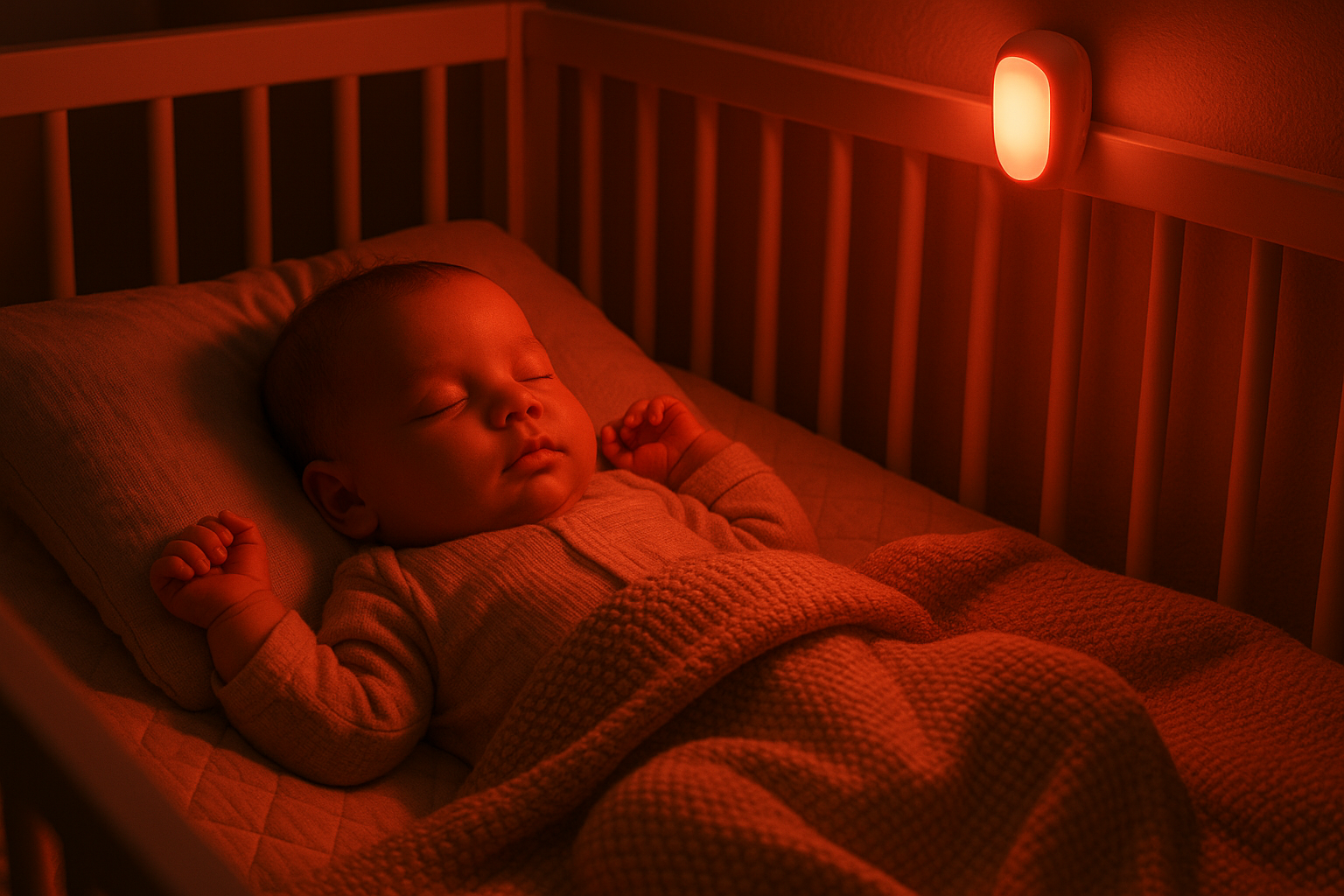
Red light has gained popularity among parents as a sleep-friendly lighting option for nurseries. Scientific research supports the use of red light during nighttime hours because it has minimal impact on circadian rhythm regulation and melatonin production, making it an ideal choice for maintaining sleep quality while providing necessary visibility.
Why Is Red Light Different from Other Colors?
Wavelength Properties: Red light operates at longer wavelengths (620-750 nanometers) that have minimal impact on the body's circadian clock. Studies show that red light exposure doesn't suppress melatonin production like blue or white light does. Circadian Impact: Unlike blue light, which strongly influences circadian rhythms, red light allows natural melatonin production to continue. Research indicates that red light exposure during nighttime hours doesn't disrupt sleep-wake cycles. Visual Adaptation: Red light allows eyes to maintain better night vision adaptation. Clinical studies demonstrate that red light preserves night vision while providing adequate illumination for caregiving tasks.
What Are the Benefits of All-Night Red Light?
Safe Nighttime Navigation: Red light provides sufficient illumination for parents to navigate the nursery safely during nighttime feedings and diaper changes without fully awakening the baby. Minimal Sleep Disruption: Research shows that babies exposed to red light during nighttime hours maintain better sleep continuity compared to those exposed to white or blue light. Comfort and Security: Gentle red lighting can provide a sense of security for both babies and parents without the stimulating effects of brighter lights. Circadian Rhythm Support: Red light doesn't interfere with the natural development of circadian rhythms, allowing babies to maintain healthy sleep-wake cycles.
Are There Any Safety Considerations?
Intensity Levels: Even red light should be kept at low intensity levels. Guidelines recommend using the dimmest setting that provides adequate visibility for necessary tasks. Direct Eye Exposure: Position red lights to avoid direct eye contact. Safety experts suggest placing lights where they illuminate the room without shining directly into the baby's eyes. Heat Generation: Some red light devices may generate heat. Safety recommendations include ensuring adequate ventilation and choosing LED-based red lights that produce minimal heat. Age Considerations: While generally safe for all ages, newborns may be more sensitive to any light exposure. Pediatric guidelines suggest starting with the lowest possible intensity and adjusting as needed.
How Does Red Light Compare to Other Nighttime Lighting Options?
Versus White Light: Red light is significantly better than white light for nighttime use. Comparative studies show that white light can suppress melatonin production by up to 50%, while red light has minimal impact. Versus Blue Light: Blue light is the most disruptive to sleep patterns. Research demonstrates that blue light exposure can delay sleep onset by 30-60 minutes, making red light a far superior choice. Versus Complete Darkness: While complete darkness is ideal for sleep, red light provides a practical compromise when some illumination is necessary for safety and caregiving.
| Red Light | Minimal | Very Low | Excellent | Adequate |
|---|---|---|---|---|
| White Light | High | Significant | Poor | High |
| Blue Light | Very High | Severe | Very Poor | High |
| Complete Darkness | None | None | Excellent | None |
| Amber Light | Low | Low | Good | Moderate |
Conclusion
Red light can be safely left on all night for babies and offers significant advantages over other lighting options. Its minimal impact on circadian rhythms and melatonin production makes it an ideal choice for maintaining sleep quality while providing necessary visibility for nighttime caregiving. When used at appropriate intensity levels and positioned correctly, red light supports healthy sleep patterns while ensuring safety and comfort for both babies and parents.