Is It Good to Watch TV Shows Before Bed?
TL;DR
- Binge-watching TV shows shows can impact sleep quality and lead to daytime fatigue.
- Evening use of technology, including TV shows, is linked to delayed bedtimes and increased sleepiness.
- Some individuals use TV shows as a sleep aid, despite potential negative effects on sleep patterns.
- The interplay between binge-watching and sleep is complex, involving psychological and behavioral factors.
- Understanding the impact of TV shows on sleep can help develop strategies for better sleep hygiene.
How Does Binge-Watching Affect Sleep? 📺
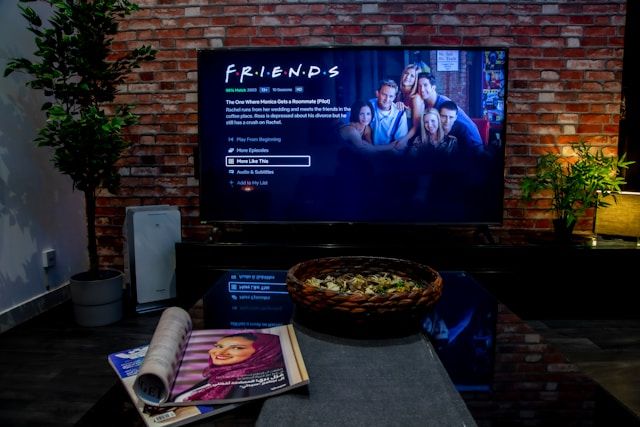
Binge-watching, the practice of watching multiple episodes of a TV show in one sitting, has become a popular pastime with the rise of streaming services like Netflix. However, this habit can have significant effects on sleep quality. Research indicates that binge-watching can lead to presleep arousal, which is a state of heightened alertness that makes it difficult to fall asleep. This is because engaging with the content of a show can increase emotional and cognitive stimulation, delaying the onset of sleep and reducing overall sleep quality (Jindal, 2020).
Can Netflix Be a Sleep Aid? 💤
Interestingly, some people use TV shows as a tool to help them fall asleep. The repetitive and familiar nature of certain shows can create a comforting background noise that aids relaxation. However, this practice is not without its drawbacks. Watching TV shows before bed has been associated with greater daytime sleepiness and can disrupt the natural sleep cycle, leading to insufficient sleep duration (Pillion et al., 2022).
What Are the Psychological Implications of Binge-Watching? 🧠
The psychological effects of binge-watching are multifaceted. On one hand, it can serve as a form of escapism, providing a temporary distraction from stress and anxiety. On the other hand, excessive binge-watching can lead to feelings of guilt and regret, especially if it interferes with daily responsibilities. The interplay between binge-watching and mental health is complex, with potential links to depression and other addictive behaviors (Jindal, 2020; Nair, 2021).
How Does Technology Use Before Bed Impact Sleep? 📱
The use of technology devices, including streaming services like TV shows in the hour before bed is linked to delayed bedtimes and reduced sleep quality. Adolescents, in particular, are prone to using multiple devices, which can exacerbate sleep issues. Watching TV shows before sleep has been associated with increased daytime sleepiness and a higher likelihood of receiving insufficient sleep on school nights (Pillion et al., 2022).

What Are the Broader Implications of Binge-Watching on Sleep? 🌐
The broader implications of binge-watching on sleep extend beyond individual health. As streaming services continue to grow in popularity, understanding their impact on sleep is crucial for public health. The CEO of Netflix famously stated that the platform competes with sleep, highlighting the need for awareness and strategies to mitigate negative effects. Longitudinal studies are needed to explore the long-term consequences of binge-watching on sleep and overall well-being (Jindal, 2020).
Conclusion
In conclusion, while TV shows and other streaming services offer a convenient way to unwind, their impact on sleep should not be underestimated. Binge-watching can lead to presleep arousal, delayed bedtimes, and increased daytime sleepiness. Understanding these effects is essential for developing better sleep hygiene practices and ensuring that entertainment does not come at the cost of health. As research continues, it will be important to balance the enjoyment of streaming services with the need for restorative sleep.
References
Jindal, R. (2020). Is binge-watching competing with sleep? And winning?. Journal of clinical sleep medicine : JCSM : official publication of the American Academy of Sleep Medicine. https://doi.org/10.5664/jcsm.8898
Pillion, M., Gradisar, M., Bartel, K., Whittall, H., & Kahn, M. (2022). What's "app"-ning to adolescent sleep? Links between device, app use, and sleep outcomes.. Sleep medicine, 100, 174-182. https://doi.org/10.1016/j.sleep.2022.08.004
Nair, K. (2021). The One with All the Netflix. Film Quarterly. https://doi.org/10.1525/fq.2021.75.1.47