291Mhoursof sleep audio played in BetterSleep
That’s about 33,000 years of listening, in a single year.
#1 soundRainFor the second year in a row.
The year’s biggest sleep trends, and what’s coming in 2027.
Try BetterSleep for FREEScroll to start the nightA year of listening and sleep tracking in the BetterSleep app, read alongside what two of our experts saw in 2026.
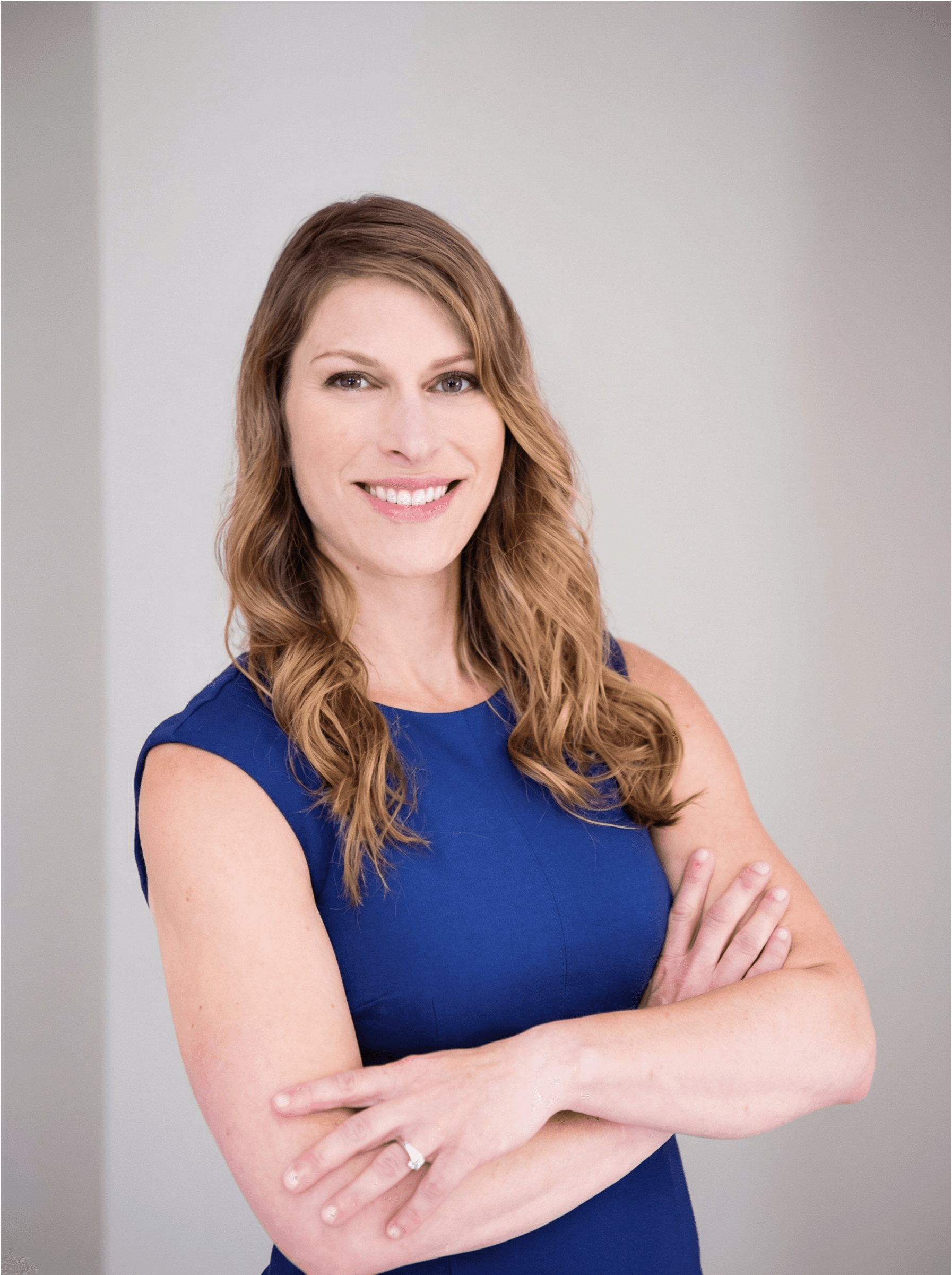
Clinical psychologist and sleep specialist
Board certified in Behavioral Sleep Medicine, in private practice in New York and Clinical Associate Professor at the Albert Einstein College of Medicine. Author of The Women’s Guide to Overcoming Insomnia.
Meet Dr. Harris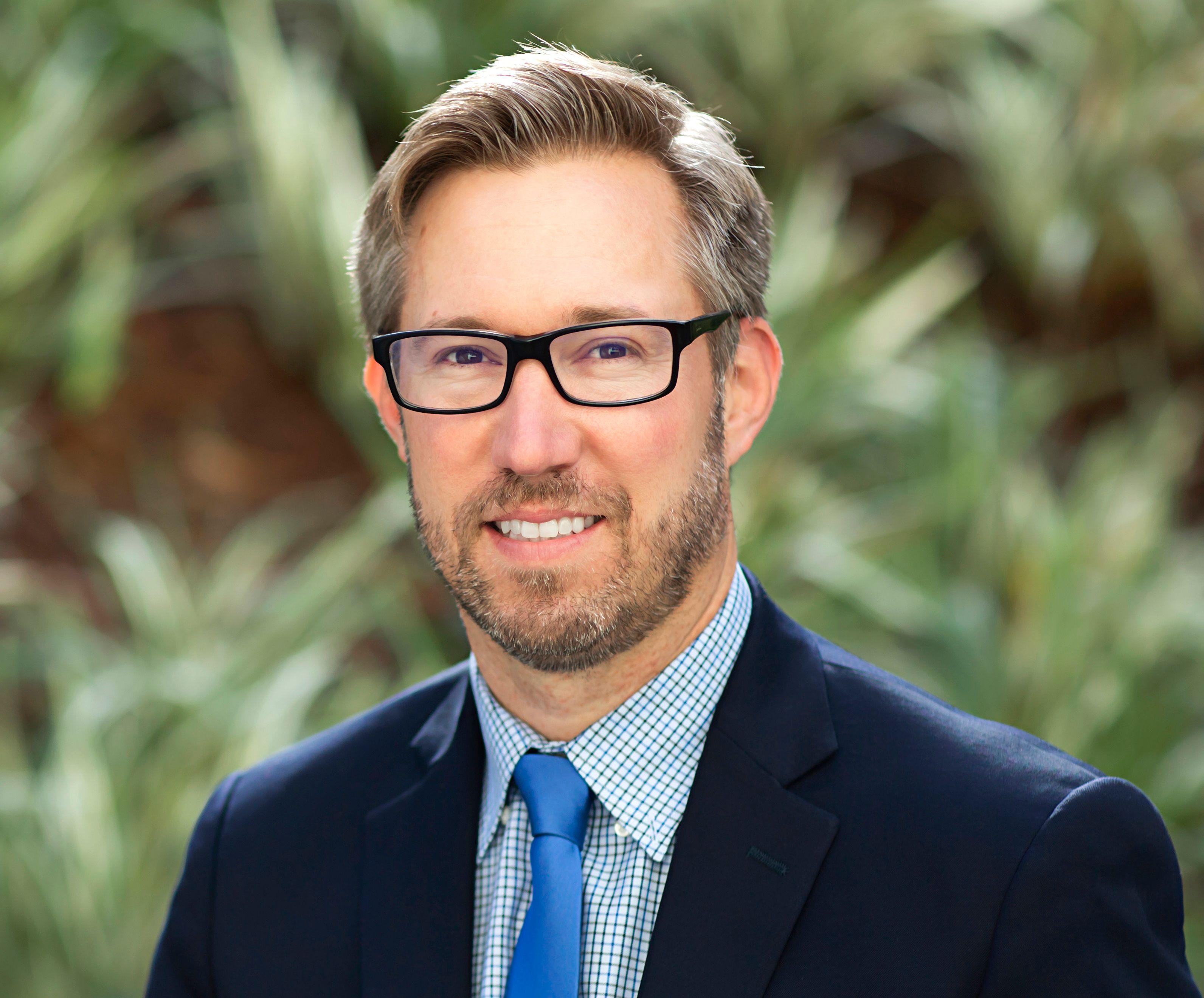
Sleep scientist and clinical psychologist
Professor at the University of California, San Francisco, where he directs the Behavioral Sleep Medicine Research program and helps lead the UCSF Insomnia Clinic. Author of The Sleep Prescription.
Meet Dr. PratherWhen people pressed play, what they reached for and what they went looking for.
That’s about 33,000 years of listening, in a single year.
#1 soundRainFor the second year in a row.
Plays peak at 10 p.m. in the US and the UK, but more audio is playing at 3 a.m. than at any other hour.
About 1 in 5 plays start between 1 and 5 a.m., as people use sound to get back to sleep. Early waking was one of the top complaints in Dr. Prather’s clinic this year, too.
Bar heights illustrate the shape of a night. Only the marked hours and the 1–5 a.m. window are report data.
Green noise jumped from #12 to #5 and brown noise climbed 8 spots. White noise and fan sounds slipped.
Listeners 55+ lead it, playing green noise 3 times as often as 18–24-year-olds.
Sound rankings, 2026
3×Gen Z picks immersive story worlds at about 3 times the 55+ rate

+60%55+ lean on sleep music and hypnosis, and listen about 60% more hours
Fastest-growing category
Lost share
People searched for help with particular problems, not generic tips.
The themes that kept coming up with their patients this year.
“Sleep is a biological process, not a performance metric.”
She sees people who sleep reasonably well but feel exhausted because their score says they didn’t. Dr. Prather sees it too.
The median sleep score across 1.7M nights tracked in BetterSleep. One more reason to stop chasing the perfect score.
“I have never had to set so many ‘no news after dinner’ curfews before.”
More women are speaking up about sleep.
Our experts are hearing from more women about sleep problems that go well beyond hot flashes.

Three sleep hacks went viral this year. Make your guess, then flip each card for the verdict.
Taping your lips shut overnight to force breathing through the nose.
Hype or help?
A bedtime drink built around tart cherry juice.
Hype or help?
Optimizing every part of the night in pursuit of perfect sleep.
Hype or help?
Where sleep is heading next year, and the habits worth leaving behind.
Dr. Harris’s bold prediction: “Less effort can sometimes be part of better sleep.” Her example is CBT-I, the proven insomnia treatment most people have never heard of.
Dr. Prather sees AI coaching bringing sleep help to more people. Dr. Harris agrees, as long as it adds to clinical care rather than replacing it.
Both see sleep becoming part of preventive health and longevity, alongside nutrition, exercise and mental health.
Dr. HarrisDr. PratherDr. PratherSleep sounds, music, stories, meditations and sleep tracking, all in one app.
Get BetterSleepAbout the data. Listening and search figures come from BetterSleep app data. Sleep scores come from 1.7M nights tracked in BetterSleep.